 Admin
AdminArthritis remedies that you can prepare at home have helped millions of people manage joint pain and stiffness without relying solely on prescription medications. Whether you wake up with aching fingers or struggle with knee pain after walking, natural approaches can provide significant relief while addressing the underlying inflammation that drives arthritis symptoms.
Living with arthritis affects every aspect of daily life, from opening jars to enjoying walks with loved ones. The constant search for relief often leads people to explore natural alternatives that complement their existing treatment plans. Recent medical research has validated many traditional remedies, showing they can reduce inflammation markers and improve joint mobility when used consistently.
The Science Behind Natural Arthritis Relief
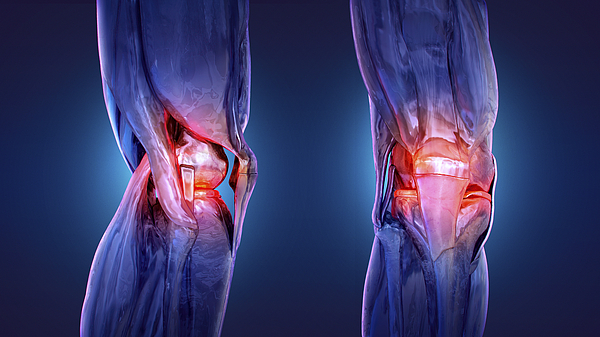
Arthritis involves inflammation in the joints that causes pain, swelling, and reduced range of motion. Your immune system plays a crucial role in this process, sometimes attacking healthy joint tissue in conditions like rheumatoid arthritis. Natural remedies work through various mechanisms, including reducing inflammatory cytokines, improving blood flow to affected areas, and providing essential nutrients for cartilage repair.
Understanding which type of arthritis you have helps determine the most effective natural approaches. Osteoarthritis responds well to remedies that support cartilage health, while rheumatoid arthritis often benefits more from anti-inflammatory treatments. However, many natural solutions provide benefits for both conditions.
Turmeric: The Golden Spice for Joint Health
Turmeric contains curcumin, a compound that research has shown to be as effective as some anti-inflammatory drugs for reducing arthritis pain. Studies involving arthritis patients found that taking curcumin supplements reduced pain scores by up to fifty percent within eight weeks.
To maximize absorption, combine turmeric with black pepper and healthy fats. Create a paste by mixing two tablespoons of turmeric powder with one teaspoon of black pepper and three tablespoons of coconut oil. Take one teaspoon of this mixture twice daily with warm milk or water. You can also add fresh turmeric root to smoothies or make golden milk by simmering turmeric, ginger, and cinnamon in coconut milk.
Ginger: Beyond Digestive Health
Ginger works similarly to non-steroidal anti-inflammatory drugs by inhibiting the production of inflammatory prostaglandins. Research participants who consumed ginger extract daily experienced reduced knee pain and required less pain medication than those taking placebos.
Fresh ginger offers the most potent benefits. Grate two inches of fresh ginger root and steep it in hot water for fifteen minutes to make a therapeutic tea. Drinking this tea three times daily can help manage chronic inflammation. You can also create a topical ginger compress by soaking a cloth in strong ginger tea and applying it to painful joints for twenty minutes.
Epsom Salt Soaks: Magnesium Through the Skin
Epsom salt baths provide magnesium sulfate, which absorbs through the skin to reduce inflammation and relax muscles around affected joints. The warmth of the bath also improves circulation, helping deliver nutrients to damaged tissues while removing metabolic waste products.
For an effective soak, dissolve two cups of Epsom salt in warm bathwater and immerse yourself for at least twenty minutes. Adding ten drops of lavender or eucalyptus essential oil enhances the anti-inflammatory effects. Many people find that evening baths help reduce morning stiffness when done regularly.
Apple Cider Vinegar: Alkalizing the Body
Although acidic in nature, apple cider vinegar has an alkalizing effect on the body once metabolized. This can help reduce the accumulation of toxins and minerals in the joints that contribute to arthritis pain. The pectin in apple cider vinegar also helps absorb toxins and reduce inflammation.
Mix two tablespoons of raw, unfiltered apple cider vinegar with one tablespoon of honey in a glass of warm water. Drink this mixture twice daily, preferably before meals. Some people also find relief by applying apple cider vinegar topically, mixing equal parts vinegar and warm water for a joint compress.
Omega-3 Fatty Acids: Essential Fats for Joint Health
Omega-3 fatty acids found in fish oil, flaxseeds, and walnuts have powerful anti-inflammatory properties. Clinical trials show that people with rheumatoid arthritis who take omega-3 supplements experience reduced morning stiffness and decreased reliance on pain medications.
If you prefer whole foods over supplements, aim to eat fatty fish like salmon, mackerel, or sardines three times per week. For vegetarian sources, grind two tablespoons of flaxseeds daily and add them to smoothies or oatmeal. Chia seeds and hemp hearts also provide substantial omega-3 content.
Heat and Cold Therapy: Simple Yet Effective
Alternating between heat and cold treatments can significantly reduce arthritis symptoms. Heat relaxes muscles and improves flexibility, while cold reduces inflammation and numbs pain. This contrast therapy stimulates circulation and helps manage both acute flares and chronic discomfort.
Apply heat for twenty minutes using a heating pad or warm compress, then switch to cold for ten minutes using an ice pack wrapped in a thin towel. Repeat this cycle two to three times daily during flares. Some people prefer starting their day with heat therapy to reduce morning stiffness and ending with cold therapy to manage inflammation from daily activities.
Gentle Movement and Stretching
Although it might seem counterintuitive when joints hurt, gentle movement prevents stiffness and maintains range of motion. Water exercises provide particularly beneficial low-impact options, as buoyancy reduces stress on joints while water resistance builds supporting muscles.
Start with simple range-of-motion exercises, moving each affected joint through its comfortable range five to ten times. Tai chi and gentle yoga have shown remarkable benefits for arthritis patients, improving balance, flexibility, and pain levels. Even five minutes of stretching upon waking can significantly reduce morning stiffness.
Creating an Anti-Inflammatory Diet
Your daily food choices profoundly impact arthritis symptoms. Processed foods, refined sugars, and excessive omega-6 oils promote inflammation, while whole foods rich in antioxidants help control it. Building meals around colorful vegetables, lean proteins, and whole grains provides the nutrients necessary for joint health.
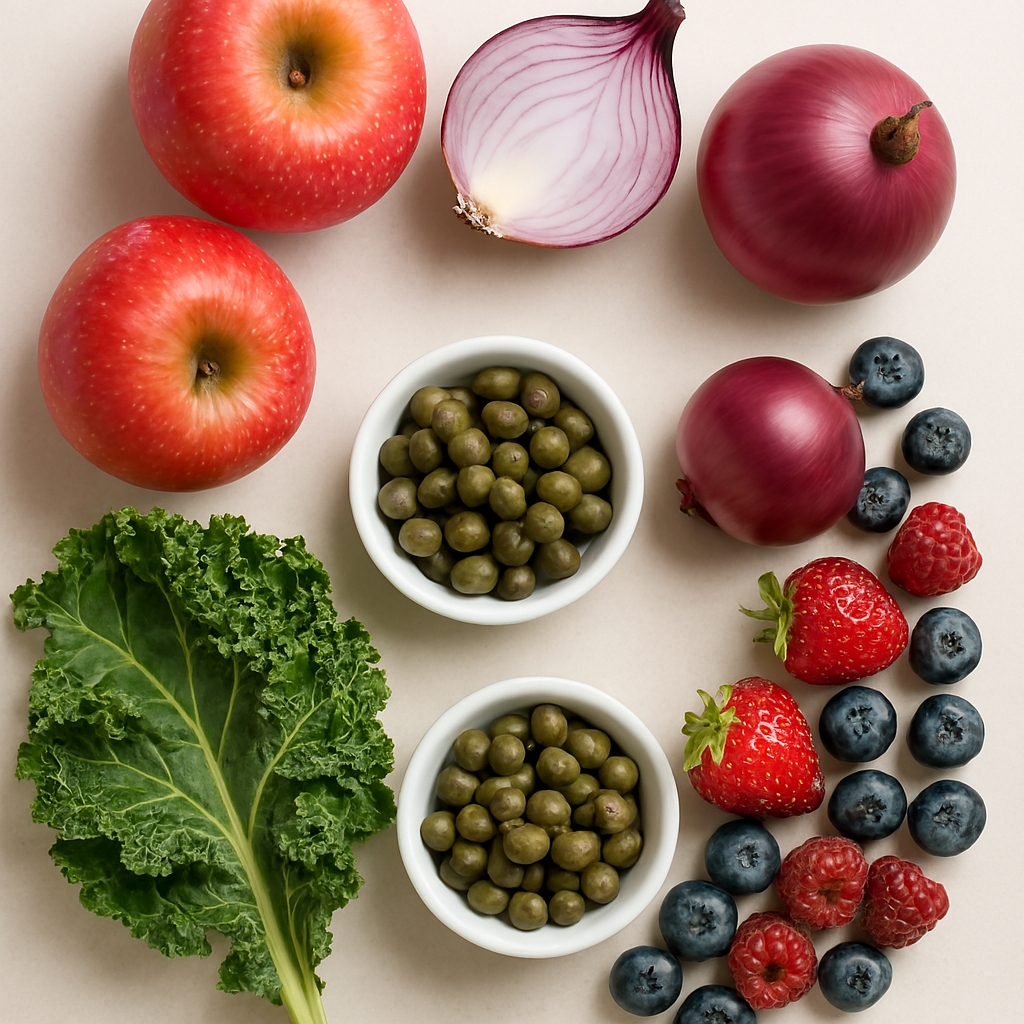
Particularly beneficial foods include cherries, which contain anthocyanins that reduce inflammation, and pineapple, which provides bromelain, a natural enzyme that decreases swelling. Green tea offers polyphenols that protect cartilage, while bone broth supplies collagen and minerals essential for joint repair.
Developing Your Personal Arthritis Management Plan
Successful arthritis management requires consistency and patience. Start by incorporating two or three remedies that appeal to you, giving each at least four weeks to show results. Track your symptoms in a journal, noting which combinations provide the most relief for your specific situation.
Many people find success with a morning routine of ginger tea and gentle stretching, followed by turmeric supplementation with meals and evening Epsom salt baths. The key is finding sustainable practices that fit your lifestyle while providing meaningful symptom relief.
Important Disclaimer: This article provides educational information about natural arthritis remedies and should not replace professional medical care. Arthritis is a complex condition requiring proper diagnosis and monitoring by qualified healthcare providers. Some natural remedies may interact with arthritis medications or blood thinners. Always consult your doctor before starting new supplements or making significant changes to your treatment plan, especially if you have severe arthritis, are scheduled for surgery, or take immunosuppressive medications. Pregnant women and nursing mothers should seek medical advice before using herbal remedies.


 Admin
Admin