 Admin
Admin
Why a Household First Aid Box Is Necessary
Accidents can happen when you least expect them. From a scraped knee to a sudden fever, quick action can prevent complications. A well-prepared first aid box helps you treat injuries promptly and safely before seeking further medical help if needed. It is important for homes with children, elderly family members or individuals with specific health needs to stay prepared at all times.
Where to Keep Your First Aid Box
The first aid box should be stored in a location that is cool, dry and easy to access during emergencies. Common storage areas include the bathroom cabinet, kitchen drawer or hallway cupboard. Make sure it is out of reach of small children but still easy for adults to locate quickly. If you live in a multi-story home, consider placing one kit on each floor.
Essential Contents of a Household First Aid Box
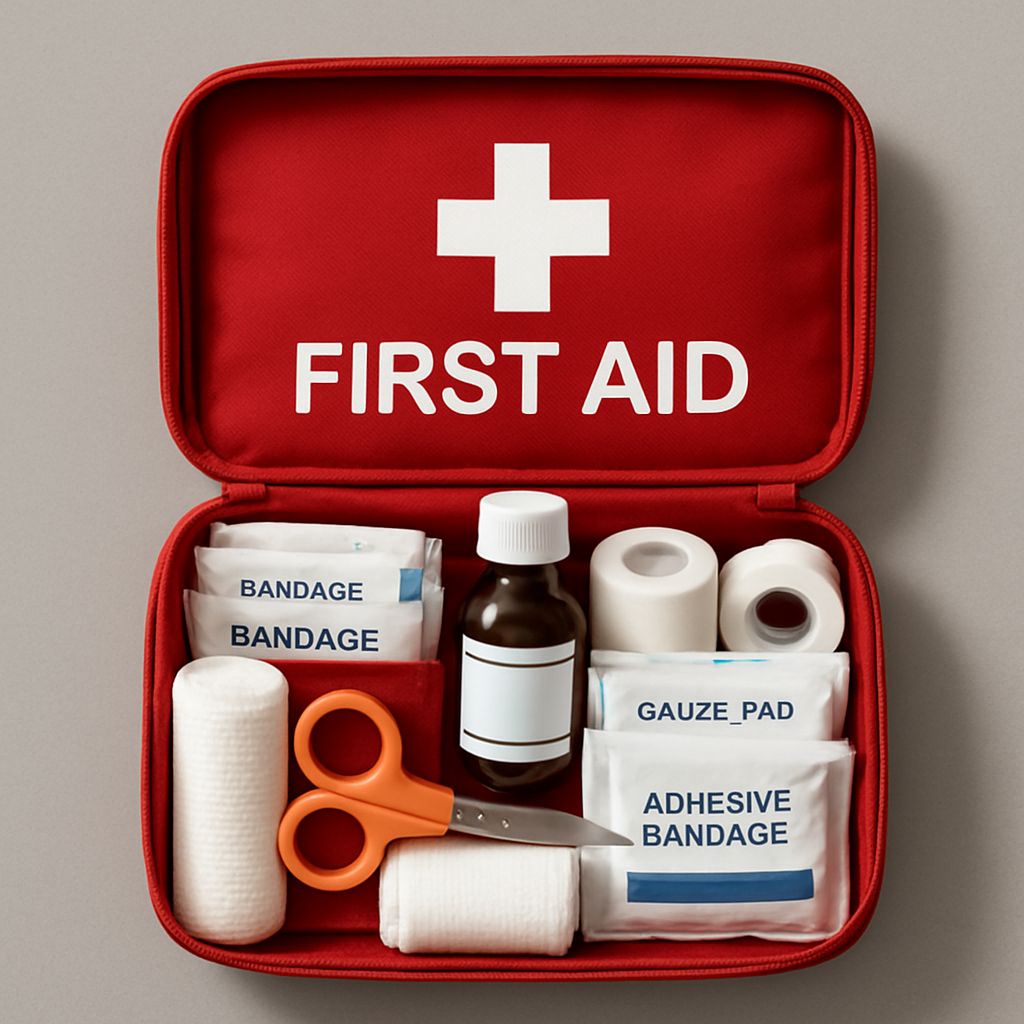
For a first aid kit to be effective, it must contain a variety of supplies that cover minor cuts, burns, allergic reactions and general illness. Listed below are the most important items you should include in your household first aid box:
- Adhesive bandages: Different sizes for covering small cuts, blisters and scrapes.
- Sterile gauze pads and adhesive tape: Used for dressing larger wounds or protecting open cuts.
- Antiseptic wipes or solution: To clean wounds and reduce the risk of infection.
- Antibiotic ointment: Helps support healing by preventing bacterial growth in wounds.
- Disposable gloves: Protect both the caregiver and the patient during wound care.
- Scissors and tweezers: Useful for removing splinters and cutting tape or dressings.
- Elastic bandage: Provides support for sprains or joint injuries.
- Instant cold packs: Help reduce swelling, inflammation or bruising.
- Digital thermometer: Monitoring body temperature is important during fever or illness.
- Pain relievers: Such as paracetamol or ibuprofen, for easing headaches, muscle pain or fever symptoms.
- Antihistamines: Useful for mild allergic reactions and skin irritation.
- Burn cream or gel: Helps cool and soothe minor burns or scalds.
- CPR face shield or mask: For safe resuscitation in case of a breathing emergency.
- Eye wash or saline solution: Used to flush out the eyes if exposed to dust, chemicals or small particles.
- First aid manual or instructions guide: Quick reference for handling emergency situations properly.
- Emergency contact numbers: Include local emergency services, poison control and personal doctors.
Including Personal Emergency Items
Every household is different, and your first aid box should reflect the specific needs of your family. In addition to the basic items listed above, it is advisable to include personal medication, asthma inhalers, EpiPens for allergies or insulin for diabetes if required. For children and infants, include appropriate medications and age-specific supplies such as child-friendly pain relievers or digital thermometers designed for young users.
How to Maintain Your First Aid Box
Regular maintenance ensures that your first aid box remains useful when needed. Check the contents every three to six months and replace expired items immediately. Also, restock any used items without delay. Keep medications in their original packaging with instructions and dosage information clearly labeled. Ensure that everyone in the family knows where the first aid box is located and how to use its contents safely.
Benefits of Being Prepared
Having a first aid kit at home builds confidence and reduces panic during stressful moments. It encourages prompt action, minimizes health risks and may make recovery faster. More importantly, it protects vulnerable members of your family by ensuring you can react quickly before professional care arrives. Knowing what your kit contains and how to use it gives peace of mind and reassurance when it matters most.
Final Thoughts
The right contents of a household first aid box can help manage everyday health needs and emergencies. It is a small but vital investment in home safety. Use the checklist provided in this article to build a complete kit and adapt it according to your family’s requirements. Keep it well-organized, regularly updated and always ready for use. Preparation today can save time and stress tomorrow.
Disclaimer
This article offers general information for educational purposes only. It is not a substitute for professional medical advice, diagnosis or treatment. Always consult a qualified healthcare provider with any questions you may have regarding a medical condition or the use of first aid supplies. In case of serious or life-threatening emergencies, contact emergency services immediately.


 Admin
Admin