 Admin
Admin

Diarrhea is the second most commonly reported illness worldwide. The average adult experiences acute diarrhea 1 to 2 times per year, according to the American Gastroenterological Association. Most episodes are self-limiting, meaning your body resolves the problem without medical intervention. Your job during those 1 to 3 days is to replace the water and electrolytes your body loses with each loose stool and to avoid foods and drinks making the situation worse.
Dehydration is the primary danger. Each watery stool removes 100 to 200 mL of fluid from your body. If you pass 10 loose stools in a day (common during acute viral gastroenteritis), you lose 1 to 2 liters of fluid on top of normal daily losses through sweat, breath, and urine. Your body needs 2.5 to 3.5 liters of water daily under normal conditions. During diarrhea, the requirement increases substantially. Replacing this fluid deficit is the single most important action you take.
Food choices matter because your intestinal lining is inflamed and irritated during diarrhea. The epithelial cells lining your gut are damaged by the virus, bacterium, or toxin causing the episode. These cells need time and gentle conditions to regenerate. Eating the wrong foods extends the inflammation, delays cell repair, and prolongs your symptoms. Eating the right foods supports recovery without adding digestive burden.
This guide covers what to drink, what to eat, what to avoid, when to seek medical attention, and how to prevent future episodes. Every recommendation includes the physiological reasoning behind the advice. You will understand why these strategies work, not simply follow a list of rules without context.
What Happens Inside Your Body During Diarrhea

Understanding the mechanism behind diarrhea helps you make better decisions about treatment. Diarrhea is not a disease. Diarrhea is a symptom of an underlying process disrupting normal intestinal function.
Your small and large intestines normally absorb about 9 liters of fluid per day. Approximately 2 liters come from what you drink. The remaining 7 liters come from digestive secretions: saliva, gastric juice, bile, pancreatic juice, and intestinal fluid. Under normal conditions, your intestines reabsorb 99% of this fluid, leaving only 100 to 200 mL of water in your stool daily. The result is a formed, solid stool.
Diarrhea occurs when this absorption process fails. Three mechanisms cause the failure, sometimes simultaneously.
Secretory diarrhea occurs when your intestinal cells actively pump water and electrolytes into the intestinal lumen (the hollow space inside your gut). Bacterial toxins from organisms like Vibrio cholerae and certain E. coli strains trigger this pumping action. The toxins activate chloride channels in the intestinal epithelial cells. Chloride ions flow into the lumen, and water follows by osmosis. Your body produces watery, high-volume stools regardless of whether you eat or drink.
Osmotic diarrhea occurs when unabsorbed substances in your gut draw water into the intestinal lumen through osmotic pressure. Lactose intolerance provides a common example. When your intestinal cells lack sufficient lactase enzyme to break down lactose, the undigested sugar passes into the large intestine. Bacteria ferment the lactose, producing short-chain fatty acids and gases. The accumulated solutes draw water into the gut, producing watery stools with bloating and cramping. This type of diarrhea stops when you stop eating the offending substance.
Inflammatory diarrhea occurs when infection or autoimmune activity damages the intestinal lining. Damaged epithelial cells release inflammatory mediators (prostaglandins, cytokines, histamine) that increase gut motility (the speed of intestinal contractions) and reduce the absorptive capacity of the remaining cells. The stools often contain mucus, blood, or pus. Bacterial infections with Salmonella, Shigella, Campylobacter, and Clostridioides difficile cause inflammatory diarrhea. Inflammatory bowel disease (Crohn’s disease and ulcerative colitis) causes chronic inflammatory diarrhea through autoimmune mechanisms.
Viral gastroenteritis, the most common cause of acute diarrhea in adults, involves all three mechanisms. Norovirus and rotavirus infect and destroy the mature absorptive cells (enterocytes) at the tips of intestinal villi. These cells normally absorb nutrients and water. When viruses destroy them, the immature crypt cells at the base of the villi take over. Crypt cells are secretory rather than absorptive. They pump fluid into the intestinal lumen rather than absorbing the fluid. The result is watery, high-volume diarrhea lasting until your body regenerates the mature absorptive cells, a process taking 1 to 3 days.
Why Dehydration Is the Primary Danger

Your body is approximately 60% water by weight. This water distributes across three compartments: intracellular fluid (inside your cells, 40% of body weight), interstitial fluid (between cells, 15%), and intravascular fluid (blood plasma, 5%). Diarrhea depletes primarily the extracellular compartments (interstitial and intravascular fluid) first. As these compartments empty, water shifts out of your cells to compensate. When all three compartments are depleted, organ function deteriorates.
Dehydration progresses through three stages.
Mild dehydration (1 to 3% body weight loss from fluid). You weigh 70 kg normally. You have lost 0.7 to 2.1 kg of water. Symptoms: increased thirst, dry mouth, slightly decreased urine output, urine darker yellow than usual, mild fatigue. At this stage, oral rehydration at home resolves the problem within hours.
Moderate dehydration (3 to 6% body weight loss). You have lost 2.1 to 4.2 kg of water. Symptoms: marked thirst, dry mucous membranes, reduced skin turgor (when you pinch the skin on the back of your hand, the skin returns to flat position slowly rather than snapping back immediately), sunken eyes, significantly decreased urine output (urine is dark amber or brown), rapid heart rate, dizziness when standing, headache, irritability. This stage requires aggressive oral rehydration. If symptoms do not improve within a few hours of increased fluid intake, seek medical attention.
Severe dehydration (greater than 6% body weight loss). You have lost more than 4.2 kg of water. Symptoms: extreme thirst or inability to drink, no urine output for 8 or more hours, very sunken eyes, cold and mottled extremities, rapid and weak pulse, low blood pressure, altered consciousness (confusion, lethargy), breathing becomes deep and rapid. This stage is a medical emergency. Call emergency services or go to an emergency department. Severe dehydration requires intravenous fluid resuscitation. Oral fluids alone are insufficient.
Diarrhea depletes more than water. Each stool removes sodium, potassium, chloride, bicarbonate, and other electrolytes. These minerals maintain your heart rhythm, muscle contractions, nerve signal transmission, and acid-base balance. A potassium deficit causes muscle weakness and cardiac arrhythmias. A sodium deficit impairs your kidneys’ ability to concentrate urine, worsening fluid loss. A bicarbonate deficit shifts your blood pH toward acidosis, a condition disrupting enzyme function throughout your body.
Replacing water alone is not sufficient. You need to replace electrolytes simultaneously. This is why oral rehydration solutions (discussed in the next section) outperform plain water for treating dehydration from diarrhea.
The Best Fluids for Rehydration

Not all fluids rehydrate equally. The ideal rehydration fluid delivers water, sodium, potassium, and glucose in proportions that maximize intestinal absorption. The wrong fluids worsen diarrhea, increase fluid loss, or fail to replace critical electrolytes.
Oral Rehydration Solution (ORS)
The World Health Organization developed the oral rehydration solution formula in the 1960s. The Lancet later called ORS “potentially the most important medical advance of the 20th century.” Before ORS, cholera epidemics killed 50% of infected individuals. ORS reduced cholera mortality to less than 1%.
ORS works because of a specific biological mechanism: sodium-glucose cotransport. Your intestinal epithelial cells contain a transporter protein called SGLT1. This protein absorbs one molecule of glucose and one molecule of sodium together. Water follows the sodium by osmosis. Even during severe secretory diarrhea, when most absorption pathways are impaired, the SGLT1 cotransporter continues functioning. ORS exploits this surviving pathway to deliver water, sodium, and glucose into your body even when your gut is severely compromised.
The WHO formula specifies: 2.6 grams of sodium chloride (salt), 2.9 grams of trisodium citrate, 1.5 grams of potassium chloride, and 13.5 grams of anhydrous glucose, dissolved in 1 liter of clean water. The resulting solution has an osmolarity of 245 mOsm/L, lower than earlier ORS formulations. A study published in the Lancet found the reduced osmolarity formula decreased stool output by 20% and reduced the need for intravenous fluids by 33% compared to the original higher-osmolarity formula.
Homemade ORS Recipe
If you do not have access to commercial ORS packets (Pedialyte, Hydralyte, DripDrop), prepare a simple version at home.
- Start with 1 liter (about 4 cups) of clean, boiled, and cooled water.
- Add 6 level teaspoons (30 grams) of sugar.
- Add 1/2 level teaspoon (2.5 grams) of table salt.
- Stir until both dissolve completely.
- Taste the solution. The taste should be slightly less salty than tears.
- Prepare a fresh batch every 24 hours. Discard unused solution after 24 hours at room temperature or 48 hours if refrigerated.
- Drink small sips frequently rather than large volumes at once. Aim for 200 to 400 mL (about 1 to 2 cups) after each loose stool. Between stools, sip continuously.
Clear Broths
Chicken broth, beef broth, and vegetable broth deliver sodium, potassium, and other minerals in a warm, palatable form. The warmth relaxes intestinal smooth muscle, which reduces cramping. One cup of commercial chicken broth provides approximately 860 mg of sodium (37% of daily value) and 210 mg of potassium (4% of daily value).
A study published in the journal Chest (often cited for the “chicken soup study”) found chicken soup increased nasal mucus velocity and improved clearance of respiratory pathogens. While the study focused on upper respiratory infection, the electrolyte delivery, anti-inflammatory amino acids (cysteine from the chicken protein), and hydration from broth support recovery from any acute illness including gastroenteritis.
Make your own broth by simmering chicken bones, carrots, celery, and onion in water for 1 to 2 hours. Strain. Add 1/2 teaspoon of salt per liter. Sip warm throughout the day. Homemade broth contains gelatin from the collagen in bones. Gelatin binds water in the gut, increasing the absorptive efficiency of the fluid. Commercial broths vary widely in sodium content. Read labels. Low-sodium versions (140 mg or less per serving) work well if you are adding salt to taste.
Coconut Water
Coconut water is the clear liquid inside young, green coconuts. One cup provides approximately 600 mg of potassium (13% of daily value), 252 mg of sodium (11%), and 60 mg of magnesium (14%). This natural electrolyte profile makes coconut water a practical rehydration option.
A study published in the Journal of the International Society of Sports Nutrition compared coconut water to a commercial sports drink and to plain water for rehydration after exercise-induced dehydration. Coconut water rehydrated participants as effectively as the sports drink, with less stomach discomfort and less nausea. Participants tolerated larger volumes of coconut water compared to the sports drink.
Choose coconut water without added sugar, flavor, or fruit juice. The natural sugar content of plain coconut water (approximately 6 grams per cup) is adequate to support the SGLT1 cotransport mechanism without overloading your gut with excess carbohydrates. Flavored or sweetened varieties contain 15 to 25 grams of sugar per serving, which crosses the osmolarity threshold and worsens diarrhea through osmotic water drawing.
Herbal Teas
Specific herbal teas address symptoms accompanying diarrhea while providing caffeine-free hydration.
Chamomile tea contains apigenin and bisabolol, compounds with antispasmodic and anti-inflammatory effects on intestinal smooth muscle. A study published in Molecular Medicine Reports found chamomile extract reduced intestinal motility and inhibited the release of acetylcholine, the neurotransmitter driving intestinal contractions. Reduced contractions mean less cramping. Brew 1 tablespoon of dried chamomile flowers in 1 cup of hot water (not boiling) for 5 to 10 minutes. Strain. Drink warm, not hot. Hot beverages on inflamed gut tissue increase discomfort.
Ginger tea addresses nausea, which frequently accompanies diarrhea. Gingerols act on serotonin (5-HT3) receptors in the gut, the same receptors targeted by ondansetron (Zofran), a prescription anti-nausea medication. A meta-analysis in the Journal of the American Board of Family Medicine found ginger reduced nausea severity by 40% across 12 trials. Slice a 1-inch piece of fresh ginger. Simmer in 2 cups of water for 10 minutes. Strain. Sip slowly.
Peppermint tea relaxes the smooth muscle of the intestinal wall through menthol’s action on calcium channels. This relaxation reduces the painful spasms (intestinal colic) common during acute diarrhea. A study in the Journal of Clinical Gastroenterology found peppermint reduced IBS-related abdominal pain by 58%. Steep 1 tablespoon of dried peppermint leaves in 1 cup of hot water for 5 to 7 minutes.
Diluted Fruit Juice
Full-strength fruit juice worsens diarrhea. The sugar concentration (typically 24 to 36 grams per cup) exceeds the osmolarity threshold your gut handles during illness. The excess sugar draws water into the intestinal lumen by osmosis, increasing stool volume and frequency. Fructose, the predominant sugar in apple juice, is particularly problematic. A study in Pediatrics found undiluted apple juice increased stool output by 30% in children with diarrhea compared to an appropriate rehydration solution.
Diluting juice with equal parts water reduces the sugar concentration to 12 to 18 grams per cup. This falls within the range where the SGLT1 transporter functions efficiently, enhancing water absorption rather than impeding the process. Diluted white grape juice or diluted apple juice provides fluid, modest sugar for the cotransport mechanism, and potassium. Avoid citrus juices (orange, grapefruit, lemon) during acute symptoms. The citric acid irritates inflamed intestinal mucosa and increases cramping.
Plain Water
Water alone replaces fluid but not electrolytes. If water is all you have available, drink the water. Dehydration is more dangerous than electrolyte imbalance in the short term. For optimal rehydration, pair water intake with salty foods (crackers, pretzels, broth) to replace sodium, and potassium-rich foods (bananas) when you begin eating solids.
Sip water continuously rather than drinking large volumes at once. Your stomach has a limited capacity for fluid processing. Gulping 500 mL at once often triggers vomiting in a person with gastroenteritis. Sipping 50 to 100 mL every 10 to 15 minutes delivers the same total volume with far less gastric irritation.
Foods That Support Recovery
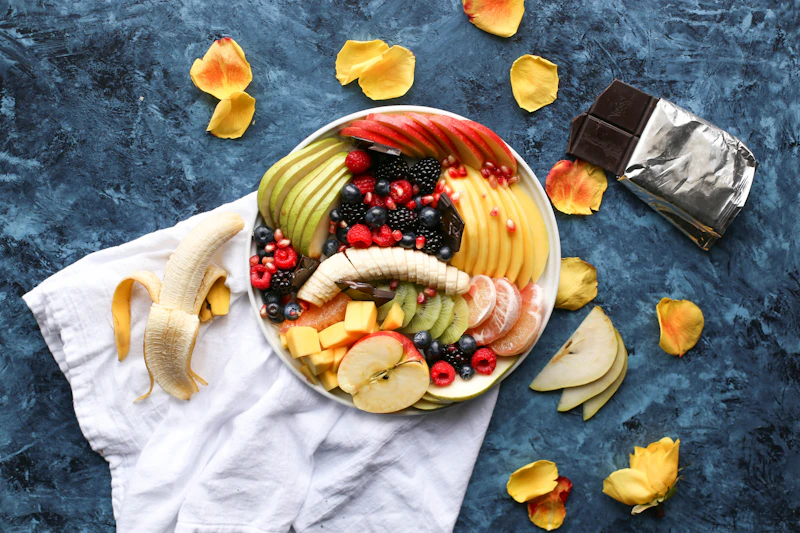
During the first 6 to 12 hours of acute diarrhea, focus exclusively on fluids. Your gut needs time before handling solid food. Eating too soon overloads an inflamed, compromised digestive system and worsens symptoms. When your appetite begins returning (typically 12 to 24 hours into the illness), introduce solid foods gradually.
The ideal recovery foods share five characteristics: low fiber (fiber increases stool bulk and gut motility), low fat (fat slows gastric emptying and requires bile acids for digestion, which irritate inflamed intestinal tissue), low residue (minimal undigested material reaching the colon), bland flavor (avoiding compounds that stimulate intestinal secretion), and adequate nutrient density (providing energy and electrolytes without excessive volume).
The BRAT Diet: Foundation Foods
The BRAT acronym stands for Bananas, Rice, Applesauce, and Toast. This dietary approach has been recommended by physicians for over 90 years. While modern gastroenterology considers the strict BRAT diet too restrictive for extended use (more than 24 to 48 hours), these four foods remain the ideal starting point when you begin eating again.
Bananas provide potassium (422 mg per medium banana, 9% of daily value), the electrolyte depleted most significantly by diarrhea. Bananas contain pectin, a soluble fiber that absorbs water in the intestinal lumen and increases stool consistency. The resistant starch in slightly underripe bananas ferments in the colon, producing short-chain fatty acids (primarily butyrate) that nourish colonocytes and accelerate epithelial repair. A study published in Gastroenterology found butyrate increased colonocyte proliferation by 25% and improved intestinal barrier integrity by 33% compared to controls.
White rice provides easily digestible starch without significant fiber. Your body breaks white rice down into glucose rapidly and efficiently, requiring minimal digestive effort. The starch also has a modest binding effect, absorbing excess water in the gut. Cook plain white rice without oil, butter, or seasoning during the acute phase. One cup of cooked white rice provides 206 calories and 44.5 grams of carbohydrate with only 0.6 grams of fiber.
Applesauce provides pectin (like bananas) in a form requiring no chewing and minimal gastric processing. Choose unsweetened applesauce. Sweetened varieties contain 12 to 15 grams of added sugar per serving, which approaches the osmolarity threshold for worsening diarrhea. Unsweetened applesauce contains approximately 11 grams of natural sugar per half-cup serving, an amount within safe limits.
White toast provides simple starch in a dry form that absorbs gastric fluid. The toasting process partially breaks down the starch through a process called dextrinization, creating smaller carbohydrate molecules your body processes more easily. Eat plain toast without butter, jam, or other toppings during the first 24 hours. Saltine crackers and plain pretzels serve the same function with the added benefit of sodium replacement.
Expanding Beyond BRAT
After 24 to 48 hours on BRAT foods, expand your diet to prevent nutritional deficiency and support faster recovery. The strict BRAT diet provides almost no protein, minimal fat, and insufficient micronutrients for anything beyond short-term use. A position paper by the American Academy of Pediatrics (applicable to adults as well) states the BRAT diet “is overly restrictive and does not provide optimal nutrition for a recovering gut.”
- Plain boiled or baked potatoes (without skin). Potatoes provide potassium (926 mg per medium potato, 20% of daily value), vitamin C, and vitamin B6 in a soft, easily digestible form. The starch in cooked, cooled potatoes converts partially to resistant starch, which feeds beneficial gut bacteria. Skip butter, sour cream, cheese, and other toppings until fully recovered.
- Lean chicken breast or turkey breast (boiled, baked, or steamed). Protein is essential for epithelial cell regeneration. Your intestinal lining replaces its entire cell population every 3 to 5 days. This rapid turnover requires amino acids from dietary protein. A 3-ounce serving of chicken breast provides 26 grams of protein with only 3 grams of fat. Avoid frying or adding sauces during recovery.
- Eggs (boiled or scrambled without butter or oil). Eggs provide 6 grams of complete protein per egg, plus zinc (0.6 mg, 5% daily value) and selenium (15.4 mcg, 28% daily value). Both minerals support immune function during infection. Scramble eggs with a non-stick pan using no added fat. Boiled eggs require no fat at all.
- Oatmeal (made with water, not milk). Oatmeal contains beta-glucan, a soluble fiber forming a gel in your gut. This gel slows intestinal transit, giving your colon more time to absorb water from the stool. Start with small portions (1/2 cup cooked). Avoid adding milk, sugar, or dried fruit during the acute phase.
- Steamed carrots or green beans (cooked until very soft). Vegetables provide vitamins A and C, which support immune function and tissue repair. Cooking until soft breaks down the cellulose cell walls, reducing the fiber content and making the vegetables far easier to digest than their raw counterparts. Avoid raw vegetables entirely until symptoms resolve.
- Plain pasta or noodles. Like white rice, pasta provides easily digestible carbohydrate without significant fiber. Avoid tomato sauce, cream sauce, or oil during recovery. A small amount of salt on the pasta replaces sodium. Eat small portions.
Eat During Recovery
- Bananas
- White rice
- Unsweetened applesauce
- White toast, crackers, pretzels
- Boiled potatoes (no skin)
- Lean chicken or turkey (boiled/baked)
- Boiled or scrambled eggs
- Oatmeal (made with water)
- Steamed carrots, green beans
- Plain pasta
Avoid During Recovery
- Fried and fatty foods
- Dairy (milk, cheese, ice cream)
- Spicy foods
- Raw vegetables and salads
- Whole grains, bran, seeds
- Nuts and nut butters
- Beans, lentils, legumes
- Cabbage, broccoli, onions
- Sugar-free candy or gum
- Processed or fast food
Foods and Substances That Worsen Diarrhea

Certain foods and substances actively worsen diarrhea through specific physiological mechanisms. Understanding why these items cause problems helps you make informed decisions during recovery.
Fatty and Fried Foods
Fat digestion requires bile acids secreted by the gallbladder into the small intestine. During diarrhea, rapid intestinal transit prevents adequate bile acid reabsorption in the terminal ileum (the last section of the small intestine). Unabsorbed bile acids reach the colon, where they stimulate water and electrolyte secretion, directly worsening diarrhea. This process, called bile acid diarrhea, compounds the original problem. Additionally, fatty foods slow gastric emptying, causing nausea and bloating in an already compromised digestive system. A study in the American Journal of Gastroenterology found high-fat meals increased colonic motility by 38% compared to low-fat meals in patients with functional diarrhea.
Dairy Products
Viral gastroenteritis damages the mature enterocytes at the tips of intestinal villi. These cells produce lactase, the enzyme breaking down lactose (milk sugar) into absorbable glucose and galactose. When these cells are destroyed by infection, lactase production drops temporarily. Undigested lactose passes into the colon, where bacteria ferment the sugar, producing hydrogen, carbon dioxide, methane, and short-chain fatty acids. The osmotic load of the undigested lactose draws water into the colon. The result is bloating, cramping, gas, and worsened diarrhea.
This temporary lactose intolerance affects an estimated 40 to 50% of adults during acute viral gastroenteritis, according to a study published in the journal Alimentary Pharmacology and Therapeutics. The condition resolves within 2 to 4 weeks as the intestinal villi regenerate and mature enterocytes resume lactase production. During recovery, avoid milk, soft cheese, ice cream, and cream-based soups. Yogurt is an exception for some people because the bacterial cultures in yogurt pre-digest much of the lactose during fermentation.
Spicy Foods
Capsaicin, the active compound in chili peppers, activates TRPV1 receptors in the intestinal lining. Activation of these receptors increases gut motility and stimulates fluid secretion. During normal gut function, these effects are mild and well-tolerated. During diarrhea, the intestinal lining is already inflamed and hypersensitive. Capsaicin amplifies the inflammatory response and accelerates transit time, worsening both cramping and stool frequency.
High-Fiber Foods
Insoluble fiber (found in whole wheat, bran, raw vegetables, seeds, and nuts) adds bulk to stool and stimulates intestinal contractions. Under normal conditions, this is desirable. During diarrhea, the increased motility from insoluble fiber worsens symptoms. Your inflamed gut processes fiber poorly. Undigested fiber reaching the colon draws water through osmosis and provides substrate for bacterial fermentation, producing gas, bloating, and looser stools. Soluble fiber (found in oatmeal, bananas, and applesauce) is the exception. Soluble fiber absorbs water and forms a gel, actually helping to firm loose stools.
Sugar Alcohols
Sorbitol, mannitol, xylitol, and erythritol are sugar alcohols used in sugar-free candy, gum, mints, and some protein bars. These compounds are poorly absorbed in the small intestine. The unabsorbed sugar alcohols reach the colon, where they draw water through osmosis and undergo bacterial fermentation. The FDA requires warning labels on products containing sorbitol stating “excess consumption may have a laxative effect.” During active diarrhea, even small amounts of sugar alcohols dramatically worsen symptoms. Read ingredient labels on any foods or medications you consume during recovery. Many liquid medications contain sorbitol as a sweetener.
Gas-Producing Foods
Beans, lentils, cabbage, broccoli, Brussels sprouts, cauliflower, and onions contain oligosaccharides (raffinose, stachyose, verbascose) that your small intestine lacks the enzymes to digest. These sugars pass into the colon intact, where bacteria ferment them, producing hydrogen, carbon dioxide, and methane. The resulting bloating and abdominal distension add to the discomfort of diarrhea. Reintroduce these foods gradually over the week following symptom resolution.
Timing, Portions, and Practical Strategies

What you eat matters. How you eat matters equally. Your gut processes food differently during illness. Adjusting your eating patterns to match your gut’s reduced capacity prevents overload and supports faster healing.
Eat Small, Frequent Meals
Your stomach and small intestine handle smaller volumes more efficiently during inflammation. Large meals trigger the gastrocolic reflex, a neurological response where distension of the stomach stimulates colonic contractions. During diarrhea, this reflex is already hyperactive. A large meal amplifies the reflex and often produces a loose stool within 30 to 60 minutes of eating. Eating 5 to 6 small meals (150 to 250 calories each) rather than 3 large meals (500 to 800 calories each) reduces gastric distension and minimizes the gastrocolic response.
Eat Slowly and Chew Thoroughly
Mechanical breakdown of food begins in your mouth. Chewing (mastication) breaks food into smaller particles, increasing the surface area available for enzymatic digestion in the stomach and small intestine. Saliva contains amylase, an enzyme initiating starch digestion. When you chew thoroughly, you deliver pre-processed food to a gut already working at reduced capacity. Chew each bite 15 to 20 times before swallowing. Eating slowly also allows your brain to register satiety signals before you overeat.
Serve Foods at Room Temperature or Warm
Very hot foods and very cold foods both stimulate intestinal motility. Hot liquids stimulate peristalsis (the wave-like contractions moving food through your gut). Ice-cold foods cause intestinal smooth muscle to contract abruptly. Room temperature or warm (not hot) foods and drinks interact with your gut most gently. Let hot soup cool to a comfortable temperature. Let refrigerated foods sit at room temperature for 10 to 15 minutes before eating.
Track What You Eat and How You Respond
Keep a simple log on your phone or on paper. Write down what you ate, the time, and any symptom changes in the following 2 to 4 hours. This log serves two purposes. First, the log identifies foods that worsen your symptoms so you avoid them for the remainder of your illness. Second, the log creates a reference for future episodes. If you experience diarrhea again, you have a personalized record of which foods your body tolerated well and which ones caused problems.
Practical Hydration Schedule
Sample Rehydration Plan for a Full Day
- Upon waking: 200 to 300 mL of ORS (sipped over 30 minutes)
- Mid-morning: 1 cup of chamomile or ginger tea + 1 cup of water
- Late morning: 1 cup of warm chicken broth
- Early afternoon: 200 to 300 mL of ORS
- Mid-afternoon: 1 cup of coconut water + 1 cup of water
- Late afternoon: 1 cup of warm broth
- Evening: 200 to 300 mL of ORS
- Before bed: 1 cup of chamomile tea + 1 cup of water
- After each loose stool: 200 to 400 mL of ORS or water
- Total target: 2.5 to 3.5 liters across the day (more if stools are frequent and watery)
Supporting Practices for Faster Recovery

Beyond fluids and food, several additional practices support your recovery and reduce symptom duration.
Rest
Your immune system requires energy to fight the infection causing your diarrhea. Physical activity diverts blood flow and metabolic resources away from your gut and immune system toward your muscles and cardiovascular system. Rest allows your body to direct maximum resources toward pathogen clearance and tissue repair. Sleep is particularly important. A study published in the journal Sleep found participants sleeping fewer than 7 hours per night were 2.9 times more likely to develop an infection after pathogen exposure compared to those sleeping 8 or more hours. During active illness, aim for 8 to 10 hours of sleep per night and reduce physical activity to essential tasks only.
Probiotics
Probiotics are live microorganisms providing health benefits when consumed in adequate amounts. For diarrhea specifically, certain probiotic strains reduce symptom duration and stool frequency through competitive exclusion (outcompeting pathogens for binding sites on the intestinal wall), production of antimicrobial compounds (bacteriocins, lactic acid), and modulation of the immune response.
A Cochrane systematic review analyzed 63 randomized controlled trials involving 8,014 participants with acute infectious diarrhea. Probiotics reduced the duration of diarrhea by an average of 25.4 hours. The review found probiotics reduced the risk of diarrhea lasting 4 or more days by 59%. The most effective strains were Lactobacillus rhamnosus GG and Saccharomyces boulardii.
Saccharomyces boulardii deserves specific mention. This probiotic yeast is particularly effective for antibiotic-associated diarrhea. A meta-analysis published in the journal Alimentary Pharmacology and Therapeutics found S. boulardii reduced the risk of antibiotic-associated diarrhea by 52%. If your diarrhea began during or after antibiotic treatment, S. boulardii is the most evidence-supported probiotic choice.
Take probiotics in supplement form during the acute phase when you are avoiding dairy. Once you tolerate dairy again, plain yogurt and kefir provide probiotic bacteria alongside the calcium and protein your body needs for recovery. Look for supplements providing at least 10 billion CFU (colony-forming units) of Lactobacillus rhamnosus GG or Saccharomyces boulardii per dose.
Hand Hygiene
If your diarrhea is infectious (viral or bacterial), you are shedding pathogenic organisms in your stool. Norovirus remains detectable in stool for 2 weeks after symptom resolution. Proper hand hygiene prevents transmission to family members, roommates, and coworkers.
Wash your hands with soap and water for at least 20 seconds after every bathroom visit, before preparing food, and before eating. Soap and water are superior to alcohol-based hand sanitizers for norovirus. A study published in the Journal of Hospital Infection found hand sanitizers with 62% ethanol reduced norovirus on hands by only 46%, compared to a 96% reduction with soap and water. The physical action of rubbing with soap and rinsing with water mechanically removes viral particles in a way alcohol-based gels do not.
Over-the-Counter Medications
Loperamide (Imodium) slows intestinal motility by acting on opioid receptors in the myenteric plexus. The drug reduces stool frequency and increases stool consistency. Loperamide works well for functional diarrhea and traveler’s diarrhea without complications.
Do not take loperamide if your stool contains blood or mucus, if you have a fever above 38.5°C (101.3°F), or if you suspect bacterial infection with invasive organisms (Salmonella, Shigella, C. difficile). In these situations, diarrhea is your body’s mechanism for expelling the pathogen. Slowing intestinal transit traps the pathogen in your gut longer, potentially worsening the infection and increasing the risk of complications including toxic megacolon. Consult a healthcare provider before using loperamide if you are unsure about the cause of your diarrhea.
Bismuth subsalicylate (Pepto-Bismol) has mild antimicrobial, anti-inflammatory, and antisecretory effects. The compound reduces stool frequency by approximately 40% in traveler’s diarrhea, according to a study in the Journal of the American Medical Association. Bismuth subsalicylate turns your tongue and stool black. This is harmless and resolves after you stop taking the medication. Do not use bismuth subsalicylate if you take blood thinners, aspirin, or other salicylate-containing medications. The salicylate component adds to your total salicylate load and increases bleeding risk.
When to Seek Medical Attention

Most cases of acute adult diarrhea resolve within 1 to 3 days with proper home care. Specific symptoms and circumstances signal the need for professional medical evaluation. Do not delay seeking care when these indicators appear.
Seek Medical Attention If You Experience:
- Diarrhea lasting more than 3 days without improvement despite proper hydration and dietary management. Persistent diarrhea suggests an infection requiring antibiotic treatment (bacterial), an antiparasitic medication (parasitic), or evaluation for a non-infectious cause (inflammatory bowel disease, medication side effect, food intolerance).
- Blood or pus in your stool. Bloody diarrhea (dysentery) indicates invasive infection with organisms like Shigella, Salmonella, Campylobacter, E. coli O157:H7, or Entamoeba histolytica. These infections often require specific antibiotic or antiparasitic treatment. Blood in stool also warrants evaluation for non-infectious causes including inflammatory bowel disease and ischemic colitis.
- Black, tarry stools (melena). Black stool indicates bleeding in the upper gastrointestinal tract (stomach or duodenum). The blood turns black as the blood is digested during passage through the small intestine. This is a separate and serious finding requiring prompt evaluation.
- Fever above 38.9°C (102°F). High fever accompanying diarrhea indicates your immune system is fighting a significant infection. Bacterial infections causing high fever (Salmonella, Shigella, C. difficile) often require antibiotic treatment. Viral gastroenteritis occasionally produces low-grade fever (37.5 to 38.5°C) but rarely causes fever above 39°C.
- Signs of moderate to severe dehydration. Very dark urine or no urine output for 8 or more hours. Dizziness or lightheadedness when standing. Rapid heartbeat at rest. Extreme thirst. Dry mouth and tongue with no saliva. Sunken eyes. Skin on the back of your hand that stays tented when pinched. Confusion or altered mental status. These signs indicate your body has lost more fluid than oral intake is replacing. You need medical evaluation and potentially intravenous fluid resuscitation.
- Severe abdominal pain beyond typical cramping. Intense, localized, or worsening abdominal pain suggests complications including appendicitis, intestinal obstruction, bowel perforation, or ischemic bowel disease. These conditions require imaging and potentially surgical intervention.
- Inability to keep fluids down. If vomiting accompanies diarrhea and prevents you from maintaining oral fluid intake for more than 12 to 24 hours, dehydration progresses rapidly. Intravenous fluids bypass the gut and rehydrate you directly through your bloodstream. Seek medical care before dehydration becomes severe.
- Diarrhea beginning during or after antibiotic treatment. Antibiotic-associated diarrhea affects 5 to 35% of patients taking antibiotics, depending on the antibiotic class. Clostridioides difficile infection (CDI) causes the most serious form of antibiotic-associated diarrhea. CDI produces watery diarrhea, fever, abdominal pain, and elevated white blood cell count. Left untreated, CDI progresses to pseudomembranous colitis, toxic megacolon, and sepsis. Report antibiotic-associated diarrhea to your prescribing physician promptly.
- Weakened immune system. Adults with HIV/AIDS, those receiving chemotherapy, organ transplant recipients taking immunosuppressive medications, and people with uncontrolled diabetes face higher risks of complications from infectious diarrhea. These individuals should consult their healthcare provider earlier in the illness course (within 24 to 48 hours of symptom onset) rather than waiting the standard 3 days.
Preventing Future Episodes
Prevention is more effective than treatment. Most acute diarrhea results from preventable infections. Specific hygiene and food safety practices reduce your risk substantially.
Hand Hygiene
Handwashing is the single most effective intervention for preventing infectious diarrhea. A Cochrane review of 14 randomized controlled trials found handwashing with soap reduced the risk of diarrheal disease by 30 to 48% across diverse populations and settings. Wash with soap and water for 20 seconds (the time to hum “Happy Birthday” twice) in these situations: after using the bathroom, before and after preparing food, before eating, after changing diapers, after contact with animals, and after touching surfaces in public spaces.
Food Safety
- Cook meat to safe internal temperatures. Chicken and turkey: 74°C (165°F). Ground beef: 71°C (160°F). Pork: 63°C (145°F) with a 3-minute rest. Use a meat thermometer. Visual assessment of doneness is unreliable. A study by the USDA found 1 in 4 hamburgers turned brown before reaching a safe internal temperature.
- Refrigerate leftovers within 2 hours of cooking (1 hour if the ambient temperature exceeds 32°C / 90°F). Bacteria multiply rapidly in the “danger zone” between 4°C and 60°C (40°F and 140°F). A single Salmonella bacterium on a piece of chicken at room temperature becomes 16 million bacteria in 8 hours.
- Separate raw meat from ready-to-eat foods. Use different cutting boards for raw meat and for vegetables or bread. Wash cutting boards, countertops, and utensils with hot soapy water after contact with raw meat. Cross-contamination from raw poultry is the leading cause of Campylobacter infection in developed countries.
- Wash all produce under running water before eating. Even produce you plan to peel (melons, avocados) should be washed first. Cutting through a contaminated rind transfers bacteria from the surface to the edible interior.
- Do not consume raw or undercooked eggs, unpasteurized milk, or unpasteurized juice. These products carry Salmonella, E. coli, and Listeria risk.
Travel Precautions
Traveler’s diarrhea affects 30 to 70% of international travelers, depending on destination. High-risk regions include South Asia, Southeast Asia, Central America, South America, and Africa. A study published in Clinical Infectious Diseases found the following practices reduced traveler’s diarrhea risk.
- Drink only bottled water with intact seals, or water you have boiled for 1 minute (3 minutes at altitudes above 2,000 meters). Avoid tap water, ice cubes made from tap water, and fountain drinks.
- Eat only foods served hot and freshly cooked. The “boil, cook, peel, or forget” rule remains the most practical travel food safety guideline.
- Avoid raw vegetables, salads, and unpeeled fruits. The water used to wash produce in high-risk areas often contains fecal pathogens.
- Choose restaurants with high customer turnover (food sits less time at improper temperatures) and visible kitchen cleanliness.
- Carry hand sanitizer (at least 60% alcohol) for situations where soap and water are unavailable. While less effective than handwashing for norovirus, alcohol-based sanitizers kill most bacterial pathogens causing traveler’s diarrhea.
Stress Management
Chronic psychological stress alters gut function through the brain-gut axis. Stress hormones (cortisol, norepinephrine) increase intestinal permeability (“leaky gut”), accelerate gut motility, alter the gut microbiome composition, and amplify visceral pain perception. A study published in Gut found chronic stress increased intestinal permeability by 40% and shifted the microbiome toward pro-inflammatory species. For people who experience stress-related diarrhea or irritable bowel syndrome (IBS-D), managing stress is a direct intervention for gut health. Regular exercise, adequate sleep (7 to 9 hours per night), mindfulness practices, and social connection all reduce the cortisol levels driving stress-related gut dysfunction.
Recovery Timeline
Most episodes of acute adult diarrhea follow a predictable timeline. Understanding this timeline reduces anxiety and helps you set realistic expectations for recovery.
Hours 0 to 12: Symptoms begin. Focus exclusively on fluid replacement. Sip ORS, broth, or diluted juice continuously. Do not eat solid food. Rest.
Hours 12 to 24: Stool frequency and volume typically peak and begin declining. Continue aggressive hydration. If appetite returns, introduce BRAT foods in small portions. If no appetite, continue fluids only.
Day 2: Symptoms begin improving for most viral causes. Stool frequency decreases. Energy returns partially. Continue ORS and fluids. Expand diet to include lean protein, steamed vegetables, and oatmeal in small, frequent meals.
Day 3: Most viral diarrhea resolves or improves significantly by day 3. Stools become semi-formed. Appetite returns. Continue expanding your diet. Reintroduce one new food at a time. Maintain elevated fluid intake.
Days 4 to 7: Gradual return to normal diet. Reintroduce dairy cautiously (start with yogurt). Reintroduce fiber gradually. Resume normal physical activity as energy allows. If symptoms have not improved by day 3 or have worsened at any point, seek medical evaluation.
The three priorities, in order of importance: replace fluids and electrolytes, eat gentle foods in small amounts when appetite returns, and rest while your body fights the underlying cause. Follow these priorities and you will manage the situation effectively from home in the vast majority of cases.
Important Disclaimer
The information in this article is intended for general educational purposes only and does not constitute medical advice. This content does not replace professional medical consultation, diagnosis, or treatment. Always seek the advice of your physician or other qualified healthcare provider with any questions regarding a medical condition or treatment options.
Individual responses to dietary changes and home remedies vary. What works for one person does not work for another. If you experience severe symptoms, symptoms persisting beyond 3 days, bloody stools, high fever, signs of dehydration, or any other concerning symptoms, seek medical attention promptly.
The author and publisher of this article assume no responsibility for any adverse effects or consequences resulting from the use of any suggestions, preparations, or procedures discussed in this content. Never delay seeking professional medical advice because of something you have read in this article.
This article does not establish a doctor-patient relationship between the reader and the author. Prioritize professional medical guidance for all health concerns.


 Admin
Admin