 Admin
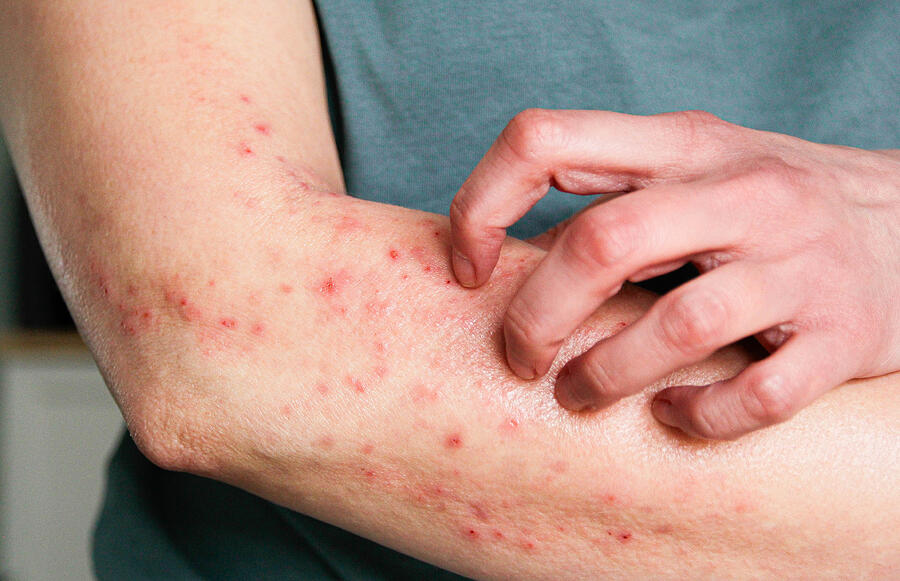
AdminEczema remedies that harness natural ingredients can transform the daily struggle of managing itchy, inflamed skin into a manageable routine that actually provides lasting relief. If you have experienced the relentless cycle of scratching, inflammation, and skin damage that characterizes eczema, you know how desperately your skin needs gentle yet effective treatment options.
Affecting over thirty million Americans alone, eczema disrupts sleep, impacts self-confidence, and can make simple activities like washing dishes or exercising uncomfortable. While conventional treatments often rely on steroids that thin the skin over time, natural remedies work by strengthening the skin barrier, reducing inflammation, and addressing the root causes of flare-ups.
Understanding Your Skin Barrier
Eczema fundamentally involves a compromised skin barrier that allows moisture to escape and irritants to penetrate. This dysfunction triggers an inflammatory response that creates the characteristic redness, itching, and scaling. Natural remedies focus on repairing this barrier while calming the immune response.
Your skin barrier consists of lipids, proteins, and natural moisturizing factors that work together to protect against environmental threats. When this barrier breaks down, even harmless substances can trigger inflammatory reactions. Rebuilding this protective layer becomes essential for long-term eczema management.
Colloidal Oatmeal: FDA-Recognized Skin Protectant
Colloidal oatmeal contains avenanthramides and other compounds that reduce inflammation and strengthen the skin barrier. The FDA recognizes it as an effective treatment for eczema, with studies showing significant improvement in skin hydration and reduction in itching.
Create an oatmeal bath by grinding one cup of plain oats into a fine powder and adding it to lukewarm bathwater. Soak for fifteen minutes, allowing the milky solution to coat your skin. For targeted treatment, make an oatmeal paste with ground oats and water, applying it directly to affected areas for twenty minutes before rinsing.
Evening Primrose Oil: Essential Fatty Acids for Skin Health
Evening primrose oil provides gamma-linolenic acid (GLA), an omega-6 fatty acid that many eczema sufferers lack. Research indicates that GLA supplementation can reduce eczema severity, particularly in children and those with atopic dermatitis.
Take evening primrose oil supplements containing 320-480 mg of GLA daily, divided into two doses with meals. You can also apply the oil directly to affected skin, though oral supplementation typically provides more systemic benefits. Results usually become noticeable after eight to twelve weeks of consistent use.
Manuka Honey: Antimicrobial Healing
Manuka honey possesses unique antimicrobial properties that prevent secondary infections common in eczema while promoting wound healing. Its anti-inflammatory effects also reduce redness and swelling associated with flare-ups.
Apply medical-grade manuka honey directly to clean, affected areas, covering with a light bandage if needed. Leave on for at least twenty minutes or overnight for intensive treatment. The sticky texture might feel unusual initially, but many people report significant improvement in skin texture and reduced itching within days of regular application.
Probiotics: Healing from the Inside Out
Growing evidence links gut health to eczema severity, with studies showing that certain probiotic strains can reduce symptoms, especially in children. Probiotics work by modulating immune responses and reducing the inflammatory reactions that trigger eczema flares.
Look for probiotic supplements containing Lactobacillus rhamnosus and Bifidobacterium strains, which show the most promise for eczema. Fermented foods like yogurt, kefir, sauerkraut, and kimchi also provide beneficial bacteria. Consistency matters more than high doses, so focus on daily consumption rather than occasional large amounts.
Coconut Oil: Natural Moisturizer and Antimicrobial
Virgin coconut oil contains lauric acid, which fights Staphylococcus aureus bacteria commonly found on eczema-affected skin. Its medium-chain fatty acids penetrate deeply to moisturize while creating a protective barrier against irritants.
Apply virgin coconut oil to damp skin immediately after bathing to lock in moisture. Use it liberally throughout the day on dry patches. Some people find warming the oil slightly improves absorption. For severe eczema, apply a thick layer before bed and wear cotton gloves or socks to enhance overnight absorption.
Wet Wrap Therapy: Intensive Moisture Treatment
Wet wrap therapy dramatically increases moisture absorption and provides immediate relief from severe itching. This technique has been used in hospitals for decades and can easily be adapted for home use.
After bathing and applying moisturizer or natural remedies, dress in damp cotton clothing or wrap affected areas with damp gauze. Cover with dry clothing or bandages and leave for two hours or overnight. This method can provide relief when other treatments fail, though it should not be used daily long-term.
Identifying and Eliminating Triggers
Common eczema triggers include certain foods, environmental allergens, stress, and harsh chemicals. Keeping a detailed diary helps identify your personal triggers, allowing you to avoid or minimize exposure.
Food triggers vary widely but commonly include dairy, eggs, nuts, and gluten. Try eliminating suspected triggers for three weeks, then reintroducing them one at a time while monitoring symptoms. Environmental triggers might include dust mites, pet dander, or certain fabrics. Replace harsh soaps and detergents with fragrance-free, hypoallergenic alternatives.
Calendula: Gentle Botanical Relief
Calendula officinalis has been used for centuries to heal skin conditions. Its anti-inflammatory and antimicrobial properties make it particularly suitable for eczema-prone skin, including sensitive areas like the face and neck.
Make calendula-infused oil by steeping dried calendula flowers in olive oil for two weeks, then straining. Apply this oil directly to affected areas several times daily. Calendula creams and ointments are also available, but ensure they contain minimal additional ingredients that might irritate sensitive skin.
Stress Management for Skin Health
Stress hormones like cortisol can trigger eczema flares and slow healing. Developing effective stress management techniques often leads to significant improvement in skin symptoms.
Practice daily relaxation techniques such as deep breathing, progressive muscle relaxation, or meditation. Regular exercise helps manage stress but shower immediately afterward to remove sweat that can irritate eczema. Many people find that addressing emotional well-being becomes as important as topical treatments for managing their condition.
Vitamin D: The Sunshine Vitamin
Research shows that people with eczema often have lower vitamin D levels, and supplementation can improve symptoms. Vitamin D modulates immune function and helps maintain skin barrier integrity.
Safe sun exposure for ten to fifteen minutes daily helps your body produce vitamin D naturally. During winter months or if sun exposure is limited, consider vitamin D supplements. Most experts recommend 1000-2000 IU daily for adults, though your doctor can test your levels to determine optimal dosing.
Building Your Eczema Management Routine
Successful eczema management requires consistent daily care rather than reactive treatment during flares. Develop a routine that includes gentle cleansing, regular moisturizing, and targeted treatments for problem areas.
Morning routines might include applying coconut oil after showering and taking probiotics with breakfast. Evening routines could involve oatmeal baths followed by heavier moisturizers or wet wrap therapy. Keep treatments simple and sustainable rather than overwhelming yourself with complicated regimens. Track what works in a journal and adjust your routine based on seasonal changes and flare patterns.
Important Disclaimer: This article provides educational information about natural eczema remedies and should not replace professional medical advice. Eczema can have various underlying causes requiring proper diagnosis by qualified healthcare providers. Some natural remedies may cause allergic reactions or skin sensitivity in certain individuals. Always consult your dermatologist or physician before starting new treatments, especially if you have severe eczema, signs of infection, or are using prescription medications. Children with eczema should be evaluated by pediatric dermatologists for appropriate treatment plans. Pregnant women and nursing mothers should seek medical guidance before using herbal remedies or supplements.

 Admin
Admin