 Admin
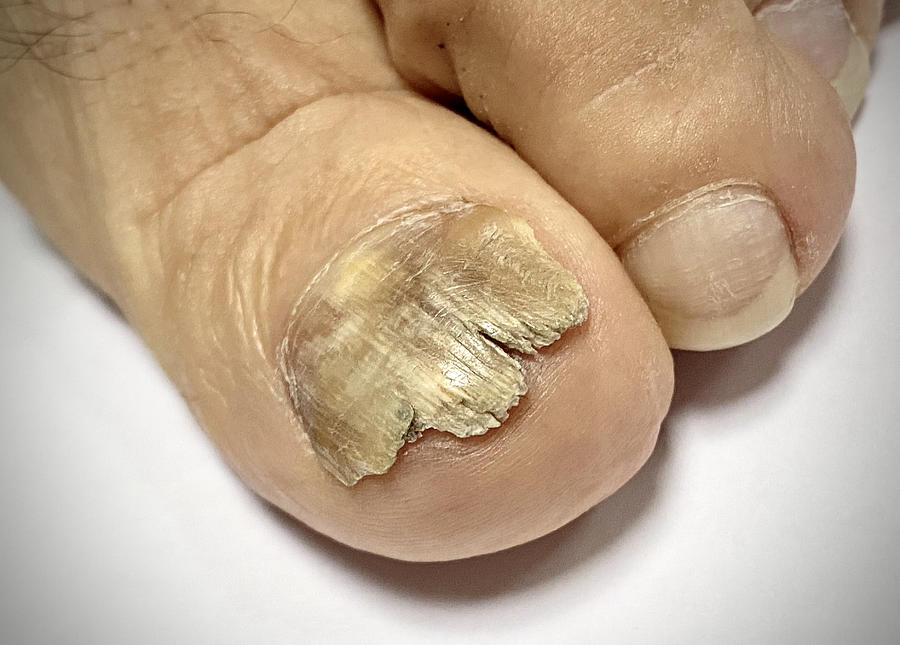
AdminHomemade treatment for toenail fungus infection provides accessible alternatives to expensive prescription medications that often come with concerning side effects and require months of use. If you have watched your toenails gradually thicken, discolor, and crumble despite trying various over-the-counter treatments, you understand the frustration of dealing with this stubborn infection.
Toenail fungus affects approximately 10 percent of the population, becoming more common with age and in people with compromised circulation or immune systems. The infection thrives in warm, moist environments, making it notoriously difficult to eliminate once established. Natural remedies work through multiple mechanisms, attacking the fungus while creating an environment hostile to its growth.
Understanding Fungal Nail Infections
Fungal infections occur when microscopic organisms penetrate the nail through small cuts or separations between the nail and nail bed. Once established, the fungus feeds on keratin, the protein that makes up your nails, causing progressive damage and discoloration.
The enclosed environment under the nail makes treatment challenging, as topical remedies must penetrate the nail plate to reach the infection. Natural treatments often succeed through patience and consistency, combining direct antifungal action with environmental changes that prevent reinfection.
Tea Tree Oil: Potent Antifungal Essential Oil
Tea tree oil contains compounds that clinical studies have shown to be as effective as some prescription antifungal medications. Its ability to penetrate the nail makes it particularly valuable for treating established infections.
Apply 100 percent pure tea tree oil directly to affected nails twice daily using a cotton swab. File the nail surface gently first to improve penetration. Mix tea tree oil with coconut oil for less sensitive skin or to treat multiple nails. Most people see improvement within three months of consistent application, though complete cure may take six months or longer.
Apple Cider Vinegar Soaks: Creating an Hostile Environment
The acidic nature of apple cider vinegar creates conditions that inhibit fungal growth while potentially killing existing infections. Regular soaks can significantly improve nail appearance and health.
Mix equal parts raw apple cider vinegar and warm water in a basin large enough for your feet. Soak for thirty minutes daily, then dry thoroughly. Some people add a few drops of tea tree oil to enhance antifungal effects. The acid may cause mild tingling but should not burn. Continue treatment for several months even after improvement becomes visible.
Oregano Oil: Powerful Natural Antifungal
Oregano oil contains thymol, which laboratory studies show has strong antifungal properties. Its potency requires careful dilution to prevent skin irritation.
Mix two drops of oregano oil with one teaspoon of carrier oil like olive or coconut oil. Apply to affected nails twice daily, avoiding surrounding skin. Some people combine oregano oil with tea tree oil for synergistic effects. The strong smell dissipates quickly, but you might prefer evening application. Consistency over several months typically yields best results.
Baking Soda and Borax Soak: Alkaline Attack
This combination creates an alkaline environment that inhibits fungal growth while helping to neutralize foot odor often associated with fungal infections.
Mix equal parts baking soda and borax in warm water, creating a paste-like consistency. Apply directly to nails and let sit for fifteen minutes before rinsing. Alternatively, add both to a foot bath for whole-foot treatment. Use daily until infection clears, then weekly for prevention. This treatment works particularly well when alternated with acidic treatments like vinegar.
Coconut Oil: Antifungal Moisturizer
Coconut oil contains caprylic acid and lauric acid, both of which have antifungal properties. Its moisturizing qualities also help improve nail appearance during treatment.
Apply virgin coconut oil to clean, dry nails and surrounding skin three times daily. Massage thoroughly to improve absorption. For overnight treatment, apply liberally and wear socks to prevent staining bedding. Many people find coconut oil less irritating than essential oils while still providing effective treatment.
Garlic: Internal and External Antifungal
Garlic contains ajoene and allicin, compounds with proven antifungal activity. Both topical application and dietary consumption can support fungal infection treatment.
Crush fresh garlic cloves and mix with olive oil to create a paste. Apply to affected nails for thirty minutes daily, then rinse thoroughly. The smell can be strong, so evening application works best. Eating raw garlic or taking aged garlic supplements provides systemic antifungal support. Some people find garlic too irritating for direct application and prefer internal use only.
Vicks VapoRub: Unexpected Antifungal
Though not marketed for fungal infections, Vicks VapoRub contains thymol and other ingredients that studies have shown effective against toenail fungus.
Apply a small amount of Vicks VapoRub to affected nails before bed, covering with socks. The menthol provides a cooling sensation that some find soothing. Results typically appear after three to four months of nightly application. This treatment costs less than many specialized antifungal preparations while providing comparable results.
Hydrogen Peroxide: Oxidizing Agent
Hydrogen peroxide kills fungus through oxidation while helping to restore normal nail color. Its bubbling action may help the solution penetrate deeper into the nail.
Soak affected nails in 3 percent hydrogen peroxide for twenty minutes daily. You can also apply it directly with a cotton swab several times throughout the day. Some people alternate hydrogen peroxide with vinegar soaks for comprehensive treatment. Avoid higher concentrations, which can damage healthy tissue.
Proper Foot Hygiene: Prevention and Treatment Support
Maintaining proper foot hygiene creates conditions unfavorable to fungal growth while supporting treatment effectiveness.
Wash feet daily with soap and dry thoroughly, especially between toes. Change socks daily or more frequently if feet sweat excessively. Choose breathable footwear and alternate shoes to allow complete drying. Disinfect nail tools between uses and avoid sharing them. Many people find that improved hygiene alone significantly reduces infection severity.
Dietary Support: Strengthening from Within
Supporting your immune system through diet helps your body fight fungal infections more effectively. Certain foods also have direct antifungal properties.
Reduce sugar and refined carbohydrates, which feed fungal growth. Increase probiotic foods to support beneficial bacteria that compete with harmful fungi. Include garlic, coconut oil, and oregano in cooking for ongoing antifungal support. Stay hydrated to support overall health and toxin elimination.
When to Combine Treatments
Combining multiple natural treatments often provides better results than single remedies. Different approaches attack the fungus through various mechanisms while addressing different aspects of the infection.
Alternate between acidic and alkaline treatments to keep the fungus off-balance. Combine topical treatments with dietary changes for comprehensive approach. Use essential oils for direct antifungal action while maintaining proper hygiene to prevent spread. Document which combinations work best for your specific situation.
Creating Your Treatment Protocol
Successful toenail fungus treatment requires patience, consistency, and often multiple approaches. Start with one or two methods and add others if progress stalls.
Take before photos to track progress, as changes occur gradually. Continue treatment for several weeks after the nail appears clear to prevent recurrence. Be prepared for six to twelve months of treatment for complete resolution. Many people find that maintaining preventive measures becomes essential even after clearing the infection.
Important Disclaimer: This article provides educational information about natural treatments for toenail fungus and should not replace professional medical advice. Toenail changes can indicate serious conditions including diabetes complications, circulation problems, or immune system issues. Consult healthcare providers if you have diabetes, peripheral artery disease, or immune system compromise. Seek medical attention for signs of bacterial infection including increased pain, swelling, red streaks, or fever. Some natural remedies can cause skin irritation or allergic reactions. Always test treatments on small areas first.


 Admin
Admin