 Admin
AdminWhat Nail Fungus Is
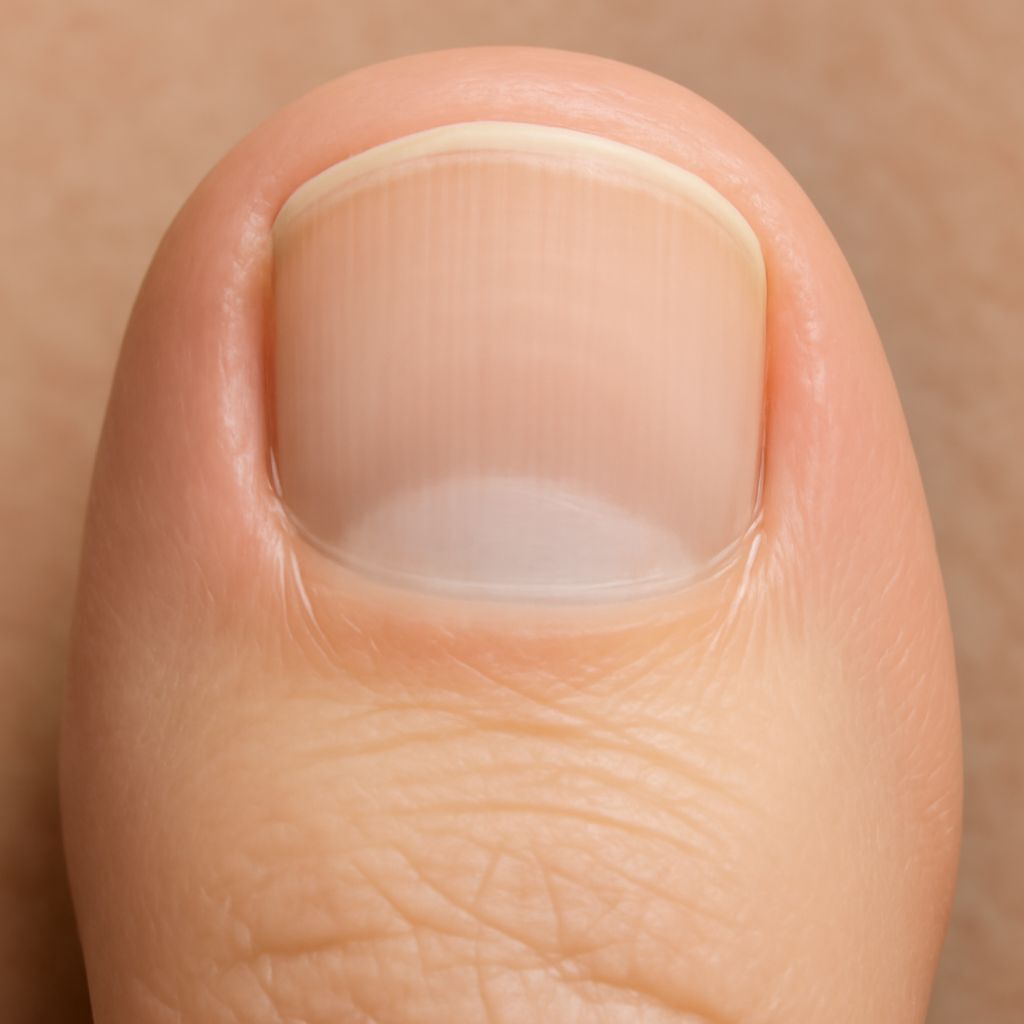
Onychomycosis is a slow infection that causes thickening, yellow or white discoloration, crumbling edges, and separation from the nail bed. Because nails grow slowly, progress takes weeks to months.
Daily Foot Habits That Help
- Keep feet dry. Change socks daily and after exercise. Choose breathable shoes and rotate pairs.
- Trim nails straight across and file thick areas carefully. Disinfect clippers after each use.
- Use an antifungal foot powder in shoes to control moisture.
- Wear shower sandals in public locker rooms and pools.
Topical Options And Supportive Tools
- Tea tree oil dilution. Mix several drops with a teaspoon of a carrier oil and apply a thin layer once daily. Stop if irritation occurs.
- Vinegar soak. Soak nails in one part vinegar to three parts warm water for ten minutes a few times per week. Rinse and dry well.
- Over the counter antifungal nail solutions are available. Apply as directed and use consistently.
- Urea cream at high strength can soften very thick nails and improve penetration of topicals. Use with guidance.
When To See A Clinician
Seek care if you have diabetes, poor circulation, pain, widespread nail damage, or if home care fails. A clinician can confirm the diagnosis and discuss prescription options such as oral antifungals or medicated lacquers.
Prevention Steps For New Growth
- Disinfect nail tools and avoid sharing them.
- Choose salons that follow strict sterilization practices.
- Let shoes air dry between uses and replace worn insoles.
Frequently Asked Questions
How long until I see improvement
Fingernails may show change in six to eight weeks. Toenails can take three to six months or longer.
Can I paint over infected nails
It is better to avoid polish during care since it can trap moisture and reduce treatment contact.
Conclusion
Nail fungus at home care relies on dryness, cleanliness, and regular topical use. With patience and timely professional guidance when needed, you can protect nails and encourage clearer new growth.
Disclaimer: This educational article provides general information and is not a substitute for professional medical advice, diagnosis, or treatment. Always consult a qualified clinician about nail problems, medicines, and supplements. Seek care promptly if you have diabetes, foot pain, or signs of spreading infection.


 Admin
Admin