 Admin
AdminNatural anxiety relief has become increasingly important as millions of people worldwide seek alternatives to conventional medications for managing their stress and worry. If you have ever felt your heart racing before a big presentation or found yourself unable to sleep due to overwhelming thoughts, you already know how debilitating anxiety can be. The good news is that several home remedies have shown remarkable effectiveness in calming the nervous system and restoring peace of mind.
Research from leading universities has confirmed what many cultures have known for centuries: certain natural approaches can significantly reduce anxiety symptoms without the side effects often associated with prescription medications. These methods work by influencing the same neural pathways that regulate our stress response, but they do so gently and sustainably.
Understanding How Natural Remedies Target Anxiety
Before exploring specific remedies, it helps to understand what happens in your body during anxiety. When you feel anxious, your sympathetic nervous system activates, releasing stress hormones like cortisol and adrenaline. Natural remedies work by either reducing these hormone levels or activating your parasympathetic nervous system, which promotes relaxation.
Scientists have identified several compounds in plants and foods that interact with GABA receptors in the brain. These are the same receptors targeted by anti-anxiety medications, but natural compounds typically work more gradually and with fewer adverse effects.
Chamomile Tea: More Than Just a Bedtime Drink
Chamomile contains apigenin, an antioxidant that binds to specific receptors in your brain to promote calmness and reduce anxiety. A study published in the Journal of Clinical Psychopharmacology found that participants who took chamomile extract for eight weeks experienced a significant reduction in anxiety symptoms compared to those taking a placebo.
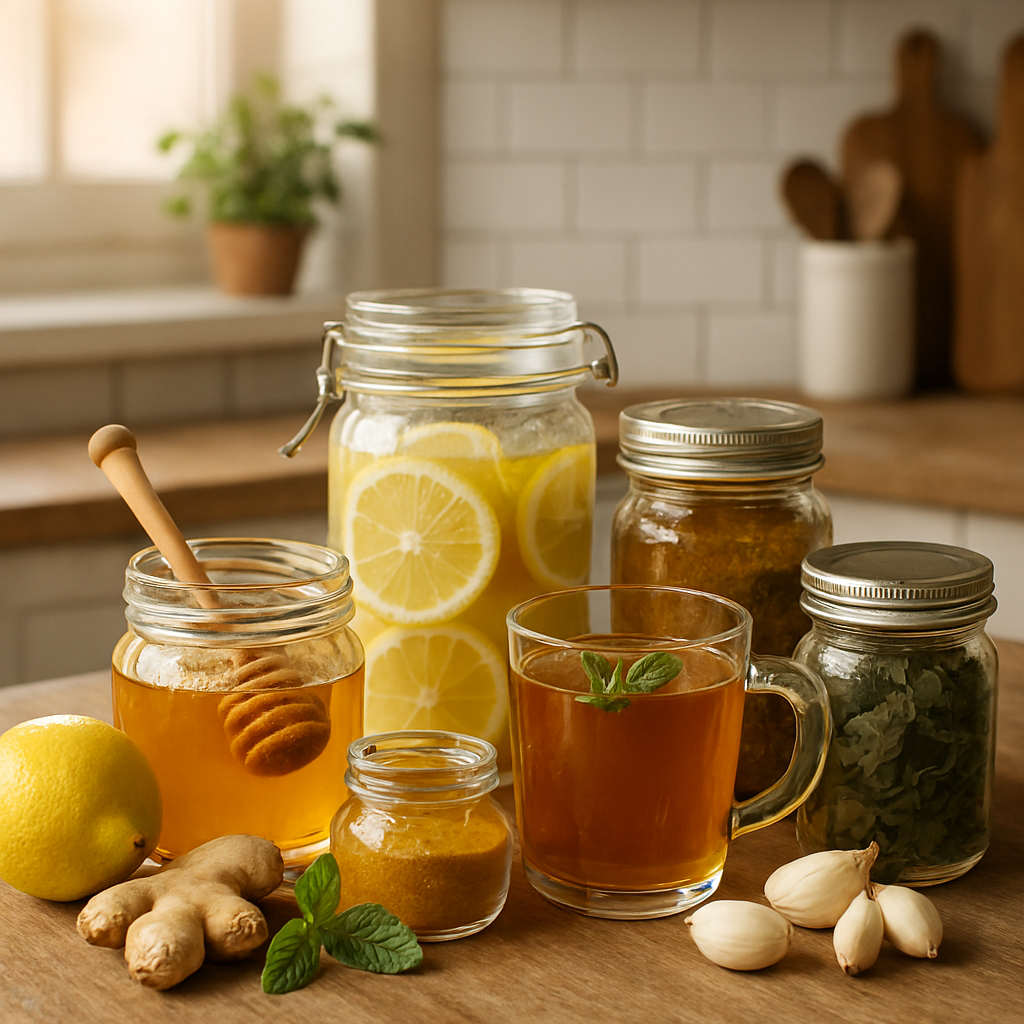
To prepare an effective chamomile remedy, steep two to three teaspoons of dried chamomile flowers in hot water for ten minutes. Drinking this tea three times daily can help maintain steady levels of calming compounds in your system. Many people find that combining chamomile with a teaspoon of raw honey enhances both the taste and the anxiety-relieving effects.
Lavender: Aromatherapy That Goes Beyond Relaxation
Lavender essential oil has undergone extensive clinical testing for anxiety relief. German researchers discovered that lavender oil capsules were as effective as lorazepam, a common anxiety medication, but without causing drowsiness or dependency.
You can use lavender in several ways. Adding five drops of pure lavender essential oil to a warm bath creates an immersive relaxation experience. Alternatively, placing two drops on your pillow or using a diffuser in your bedroom can promote restful sleep and reduce nighttime anxiety. Some people find relief by applying diluted lavender oil to their temples and wrists during stressful situations.
Magnesium: The Overlooked Mineral for Anxiety
Nearly seventy percent of adults are deficient in magnesium, a mineral crucial for regulating the nervous system. Low magnesium levels correlate strongly with increased anxiety and panic attacks. Your body uses magnesium to regulate neurotransmitters that send signals throughout your brain and nervous system.
Foods rich in magnesium include dark leafy greens, pumpkin seeds, dark chocolate, and avocados. For a concentrated dose, you can create a magnesium-rich smoothie by blending spinach, banana, almond butter, and cacao powder with almond milk. Many people also benefit from magnesium supplements or transdermal magnesium oil applied to the skin.
Breathing Techniques: Free and Immediately Available
Controlled breathing exercises can reduce anxiety within minutes by activating your parasympathetic nervous system. The 4-7-8 breathing technique, developed by Dr. Andrew Weil, has gained recognition for its effectiveness.
To practice this technique, breathe in quietly through your nose for four counts, hold your breath for seven counts, then exhale completely through your mouth for eight counts. Repeating this cycle four times can significantly reduce acute anxiety. The extended exhale triggers a relaxation response that counters the stress response associated with anxiety.
Passionflower: A Powerful Yet Gentle Herb
Native Americans have used passionflower for centuries to treat anxiety and insomnia. Modern research supports its effectiveness, with studies showing it can reduce anxiety before surgery as effectively as prescription sedatives.
You can prepare passionflower tea by steeping one teaspoon of dried herbs in hot water for ten minutes. Drinking this tea twice daily can help manage chronic anxiety. Passionflower tinctures offer a more concentrated option, with most herbalists recommending thirty to sixty drops in water up to three times daily.
Exercise: Nature’s Anxiety Medication
Regular physical activity remains one of the most effective natural remedies for anxiety. Exercise releases endorphins, improves sleep quality, and provides a healthy outlet for stress energy. Research shows that thirty minutes of moderate exercise five times per week can reduce anxiety symptoms by up to forty percent.
You do not need intense workouts to experience benefits. Gentle yoga, walking in nature, or swimming can effectively reduce anxiety while being sustainable long-term practices. The key is consistency rather than intensity.
Creating Your Personal Anxiety Relief Protocol
Combining multiple natural remedies often provides better results than relying on a single approach. Start by incorporating one or two methods and gradually add others as you become comfortable with them. Keep a journal to track which remedies work best for your specific anxiety patterns.
Many people find success with a morning routine that includes chamomile tea and breathing exercises, followed by an evening practice of lavender aromatherapy and magnesium supplementation. The key is finding what works for your lifestyle and sticking with it consistently.
Remember that natural remedies typically take longer to show effects compared to pharmaceutical medications. Give each approach at least two to four weeks before evaluating its effectiveness. Patience and consistency are essential for achieving lasting anxiety relief through natural methods.
Important Disclaimer: This article provides educational information about natural anxiety relief methods and should not replace professional medical advice. If you experience severe anxiety, panic attacks, or symptoms that interfere with daily life, consult a qualified healthcare provider. Some natural remedies may interact with medications or may not be suitable for pregnant women, nursing mothers, or people with certain medical conditions. Always discuss new supplements or significant lifestyle changes with your doctor, especially if you are currently taking prescription medications for anxiety or other mental health conditions.

 Admin
Admin