 Admin
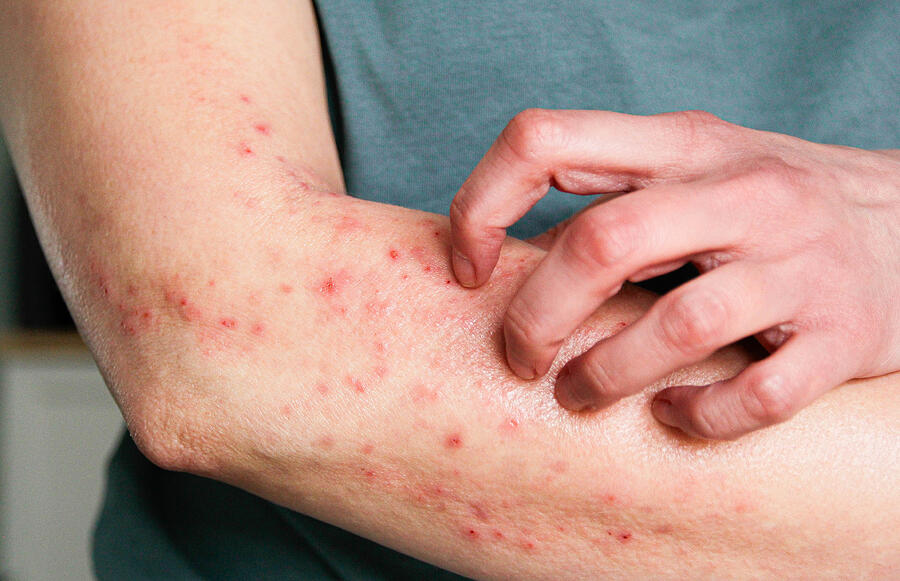
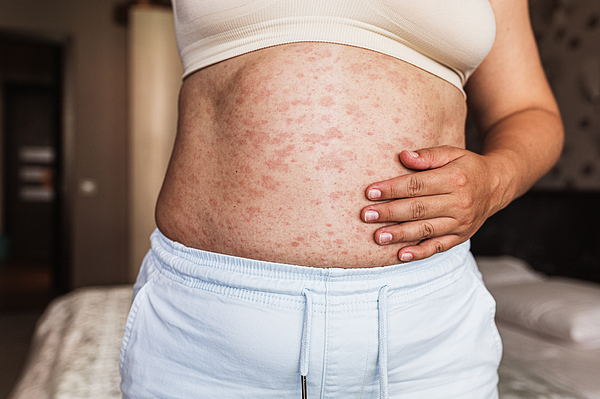
AdminPsoriasis treatment using natural remedies has gained significant attention as people seek gentler alternatives to manage this chronic skin condition that affects over 125 million people worldwide. If you have ever experienced the frustration of red, scaly patches that seem to appear at the worst possible times, you understand the physical and emotional toll psoriasis takes on daily life.
The autoimmune nature of psoriasis means your skin cells multiply up to ten times faster than normal, creating thick, silvery scales and inflamed patches. While conventional treatments focus on suppressing this rapid cell growth, natural remedies work by addressing inflammation, supporting immune balance, and nourishing the skin from within and without.
Understanding Psoriasis Triggers and Natural Solutions
Psoriasis flares often follow predictable patterns linked to stress, weather changes, infections, or certain foods. Identifying your personal triggers becomes the first step in developing an effective natural treatment plan. Many people discover that addressing these triggers through lifestyle modifications significantly reduces the frequency and severity of outbreaks.
Natural treatments work through multiple pathways, including reducing systemic inflammation, modulating immune responses, maintaining skin moisture, and promoting healthy cell turnover. This comprehensive approach often provides longer-lasting relief than targeting symptoms alone.
Dead Sea Salt: Ancient Therapy for Modern Relief
Dead Sea salt contains unique mineral compositions including magnesium, potassium, and bromide that research shows can improve psoriasis symptoms by up to eighty percent in some cases. These minerals penetrate the skin to reduce inflammation and slow excessive cell production.
Create a therapeutic bath by dissolving one cup of Dead Sea salt in warm bathwater. Soak for fifteen to twenty minutes, allowing the minerals to work on affected areas. After bathing, pat your skin dry gently and immediately apply a natural moisturizer to lock in hydration. Many people see improvement within two weeks of daily Dead Sea salt baths.
Aloe Vera: Nature’s Skin Healer
Aloe vera gel contains compounds that reduce inflammation, fight bacteria, and promote wound healing. Clinical studies have demonstrated that applying aloe vera cream three times daily can reduce psoriasis scaling, redness, and irritation more effectively than many steroid creams.
For best results, use pure aloe vera gel extracted directly from the plant. Cut open a fresh aloe leaf and apply the gel to affected areas, leaving it on for at least thirty minutes before rinsing. If using commercial products, choose those containing at least ninety percent pure aloe vera without added fragrances or alcohol.
Coconut Oil: Deep Moisturization and Healing
Virgin coconut oil provides lauric acid and other medium-chain fatty acids that penetrate deeply into skin layers, reducing dryness and scaling associated with psoriasis. Its antimicrobial properties also help prevent secondary infections that can occur when psoriasis patches crack or bleed.
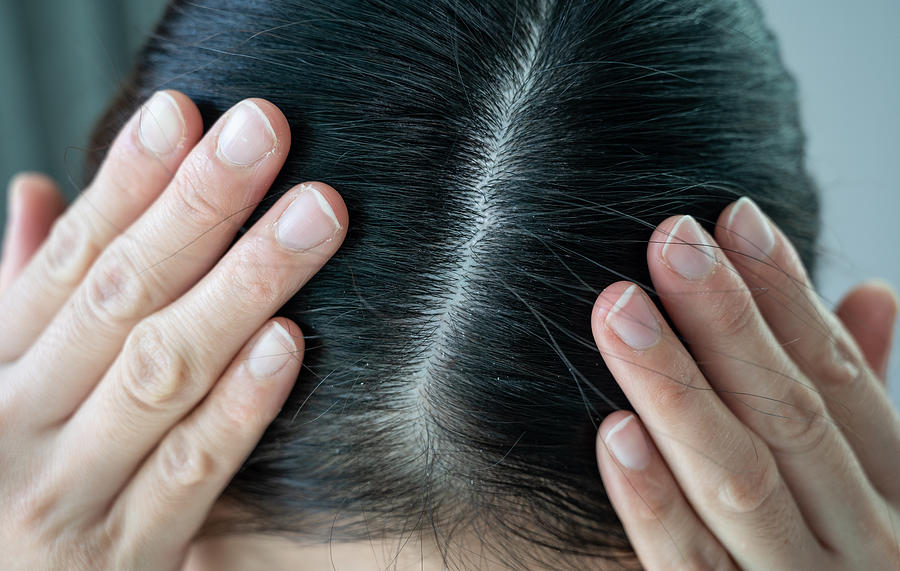
Apply virgin coconut oil liberally to affected areas immediately after bathing while skin remains slightly damp. For scalp psoriasis, massage warm coconut oil into the scalp before bed, cover with a shower cap, and wash out in the morning. This overnight treatment softens scales and reduces itching significantly.
Dietary Changes: Healing from Within
Research increasingly shows that diet plays a crucial role in psoriasis management. Anti-inflammatory foods can reduce flare-ups, while certain trigger foods may worsen symptoms. Many people experience dramatic improvement by eliminating common inflammatory foods and increasing nutrient-dense options.
Focus on eating fatty fish rich in omega-3s, colorful vegetables high in antioxidants, and probiotic foods that support gut health. Eliminate or reduce processed foods, refined sugars, nightshade vegetables, and alcohol, which commonly trigger psoriasis flares. Keep a food diary to identify your personal trigger foods.
Sunlight Therapy: Controlled UV Exposure
Controlled sun exposure helps slow skin cell turnover and reduce scaling in many psoriasis patients. The key lies in gradual, consistent exposure without burning, as sunburn can trigger severe psoriasis flares.
Start with five to ten minutes of midday sun exposure on affected areas, gradually increasing by one minute daily until you reach twenty minutes. Always protect unaffected skin with sunscreen and never allow burning. Some people find that combining sun exposure with Dead Sea salt treatments enhances results.
Oregon Grape: Powerful Herbal Medicine
Oregon grape contains berberine, an alkaloid that studies show can slow skin cell growth and reduce inflammation. Topical preparations of Oregon grape have demonstrated effectiveness comparable to standard psoriasis medications but with fewer side effects.
Apply Oregon grape cream or ointment to affected areas twice daily. You can also make a tea from dried Oregon grape root, though topical application generally provides more direct benefits for skin symptoms. Some herbalists recommend combining Oregon grape with other anti-inflammatory herbs for enhanced effects.
Stress Management: The Mind-Skin Connection
Stress ranks among the most common psoriasis triggers, creating a cycle where flares cause stress, which triggers more flares. Developing effective stress management techniques often leads to significant improvement in skin symptoms.
Regular meditation, even just ten minutes daily, can reduce inflammatory markers associated with psoriasis. Progressive muscle relaxation, deep breathing exercises, and gentle yoga also help manage stress-related flares. Many people find that addressing emotional health becomes as important as treating physical symptoms.
Apple Cider Vinegar: Scalp Relief
Scalp psoriasis responds particularly well to apple cider vinegar treatments, which help reduce itching and remove scales. The acetic acid in vinegar also has antimicrobial properties that prevent infections.
Dilute organic apple cider vinegar with equal parts water and apply to the scalp using a spray bottle or cotton ball. Leave on for twenty minutes before shampooing. For sensitive skin, use a more diluted mixture and gradually increase strength as tolerated. Some people add a few drops of tea tree oil for additional antimicrobial benefits.
Oatmeal Baths: Soothing Inflammation
Colloidal oatmeal has been recognized by the FDA as a skin protectant that relieves itching and irritation. Its unique composition of proteins, lipids, and saponins creates a protective barrier on the skin while reducing inflammation.
Grind one cup of plain oats into a fine powder using a blender or food processor. Add this to warm bathwater and soak for fifteen to twenty minutes. The water should feel silky rather than slimy. Pat dry gently and moisturize immediately after bathing. Daily oatmeal baths during flares can provide substantial relief.
Building Your Comprehensive Treatment Plan
Successful psoriasis management typically requires combining multiple approaches tailored to your specific symptoms and lifestyle. Start with basic interventions like moisturizing and dietary changes, then gradually add targeted treatments based on your response.
Consider keeping a symptom journal to track which remedies provide the most relief and identify patterns in your flares. Many people find that consistency matters more than perfection, so focus on sustainable practices you can maintain long-term rather than dramatic short-term changes.
Remember that natural remedies often take several weeks to show full effects. Give each new treatment at least four to six weeks before evaluating its effectiveness, unless you experience adverse reactions. Patience and persistence typically yield the best results in managing psoriasis naturally.
Important Disclaimer: This article provides educational information about natural psoriasis treatments and should not replace professional medical advice. Psoriasis is a complex autoimmune condition that requires proper diagnosis and monitoring by qualified healthcare providers. Some natural remedies may cause allergic reactions or interact with prescription medications. Always consult your dermatologist or physician before starting new treatments, especially if you have severe psoriasis, are using immunosuppressive drugs, or have other health conditions. Pregnant women and nursing mothers should seek medical guidance before using herbal remedies or making significant dietary changes.


 Admin
Admin