 Admin
AdminA complete aftercare plan for sunburn. Cooling, moisturizing, hydration, pain relief, and the warning signs that need a doctor.
What Sunburn Does to Your Skin
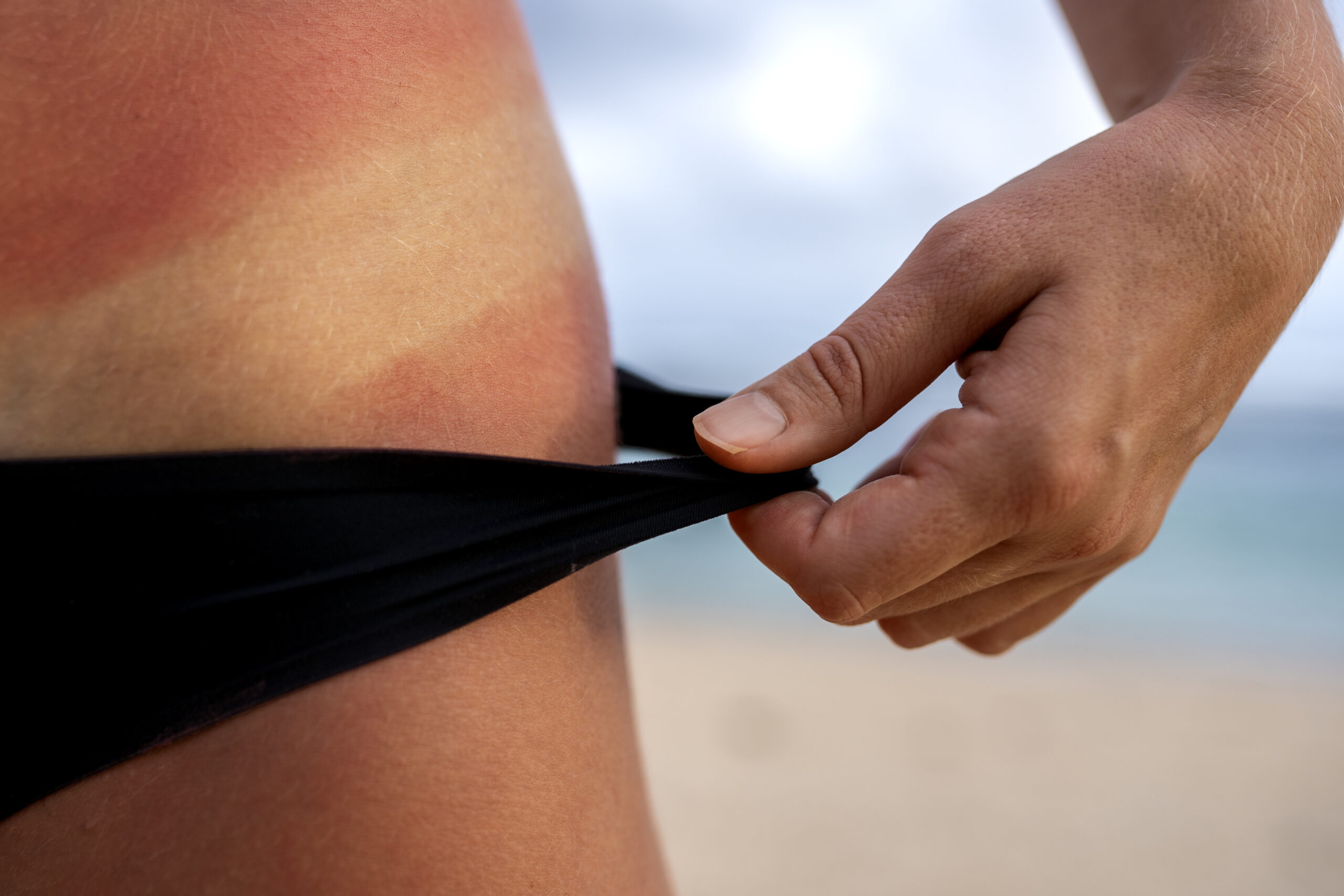
Sunburn is radiation damage. Ultraviolet (UV) radiation from the sun penetrates your skin and directly damages the DNA inside your skin cells. Your body responds with inflammation. Blood vessels dilate. Fluid rushes to the area. The result is the redness, swelling, heat, and pain you recognize as sunburn.
Two types of UV radiation cause sunburn. UVB rays damage the outer layer of skin (epidermis) and are the primary cause of visible sunburn. UVA rays penetrate deeper into the dermis, damaging collagen, elastin, and the cells responsible for skin repair. Both types contribute to DNA mutations that increase skin cancer risk over a lifetime.
The Skin Cancer Foundation reports that 5 or more sunburns in your lifetime doubles your risk of melanoma. A single blistering sunburn during childhood or adolescence nearly doubles the risk of melanoma later in life. A 2014 study in Cancer Epidemiology, Biomarkers and Prevention found that women who experienced 5 or more blistering sunburns between ages 15 and 20 had an 80% increased risk of melanoma.
Sunburn damage is cumulative. Every burn adds to the total DNA damage in your skin cells. Proper aftercare does not erase UV damage. But proper aftercare supports your body’s repair process, reduces complications like infection and scarring, and minimizes additional harm during the healing window.
First-Degree vs. Second-Degree Sunburn: Know What You’re Dealing With
Sunburn severity determines your aftercare approach. Knowing the difference between a mild burn and a severe one helps you respond correctly.
First-Degree Sunburn (Superficial)
First-degree sunburn affects the epidermis only, the outermost layer of your skin. Signs include redness, warmth, mild tenderness, and slight swelling. The skin feels tight and dry. No blisters form. Pain peaks 6 to 48 hours after exposure and resolves within 3 to 5 days. Peeling begins around day 3 to 5 as your body sheds the damaged outer layer.
First-degree sunburn is the most common type. Home aftercare is sufficient for this level of damage.
Second-Degree Sunburn (Partial Thickness)
Second-degree sunburn penetrates through the epidermis into the upper dermis. Signs include deep redness, significant swelling, blisters (small or large), intense pain, and warmth radiating from the skin. The burned area appears wet or shiny when blisters form. Pain is more severe and lasts longer than first-degree burns. Healing takes 10 to 21 days depending on the area affected and the quality of aftercare.
Small, isolated areas of second-degree sunburn respond to home care. Large blistered areas, second-degree burns on the face or genitals, or burns covering more than 15 to 20% of the body surface need medical evaluation.
Third-Degree Sunburn (Full Thickness)
Third-degree sunburn is rare from sun exposure alone but occurs in extreme cases, especially in fair-skinned individuals exposed for extended periods at high altitude or near reflective surfaces (water, sand, snow). The skin appears white, leathery, or charred. Nerve endings are destroyed, so paradoxically, the center of the burn feels numb rather than painful. Surrounding tissue is intensely painful.
Third-degree burns require emergency medical treatment. Do not attempt home care. Go to the emergency room.
The Sunburn Timeline: What Happens Hour by Hour
Sunburn does not appear immediately. Understanding the timeline helps you respond at the right moments.
0 to 4 Hours After Exposure
UV damage begins the moment unprotected skin faces the sun. But the inflammatory response builds slowly. You may feel no symptoms at all during the first 1 to 2 hours. Faint pinkness appears between hours 2 and 4. Most people first notice they are burned during this window. The damage is already done. Getting out of the sun now prevents the burn from deepening further.
4 to 24 Hours After Exposure
Redness intensifies. Pain increases. Swelling develops. The burn reaches peak redness between 12 and 24 hours after the original exposure. This delay catches many people off guard. A sunburn that looks mild at 4 PM looks significantly worse by midnight. Inflammation cascades through the damaged tissue during these hours. This is the most important window for cooling, moisturizing, and anti-inflammatory intervention.
24 to 72 Hours After Exposure
Pain peaks and begins to subside. Blisters form in second-degree burns during this window. The skin feels tight, dry, and itchy as the damaged epidermis begins losing moisture. Continuous moisturizing during this phase reduces dryness, cracking, and the intensity of upcoming peeling.
3 to 7 Days After Exposure
Peeling begins. Your body sheds the damaged outer layer of skin. New, sensitive skin forms underneath. The peeling process lasts several days. The new skin underneath is thinner, more sensitive to UV, and more susceptible to damage than the surrounding unburned skin. This fresh skin needs protection from sun exposure for several weeks.
7 to 21 Days After Exposure
Mild burns have fully healed. Moderate to severe burns continue healing. Blisters dry and form scabs if they broke. Hyperpigmentation (dark spots) or hypopigmentation (light spots) appear in some cases and fade over weeks to months. Full skin barrier restoration takes 2 to 4 weeks depending on the burn severity.
Immediate Aftercare: The First 60 Minutes
What you do during the first hour after noticing a sunburn affects how the burn progresses over the next several days. These steps limit damage and start the healing process.
Step 1: Get Out of the Sun Immediately
Move indoors or into full shade the moment you notice redness, warmth, or tenderness. Every additional minute of UV exposure deepens the burn. Redness visible on the surface means the damage beneath is already more extensive than what you see. Cover exposed skin with clothing if shade is not immediately available. Get indoors as quickly as possible.
Step 2: Cool the Skin
Take a cool shower (not cold) for 10 to 15 minutes. If a shower is not available, soak a clean towel or cloth in cool water and lay the compress on the burned area. Replace the compress every 5 minutes as the cloth absorbs heat from your skin. Repeat cool compresses every 2 to 3 hours for the first 24 hours.
Cool water reduces the temperature of the tissue, slows the inflammatory cascade, and provides immediate pain relief. A 2008 study in the journal Burns found that cooling burns within the first 20 minutes reduced tissue damage depth by up to 40% compared to delayed cooling.
Step 3: Pat Dry and Apply Moisturizer
After your cool shower or compress, gently pat your skin with a soft towel until slightly damp (not fully dry). Apply a fragrance-free aloe vera gel or a ceramide-based moisturizer while the skin is still damp. Applying moisturizer to damp skin traps water against the surface, boosting hydration in the damaged layer. Details on which moisturizers to use and which to avoid are in the section below.
Step 4: Take an Anti-Inflammatory
If ibuprofen (Advil, Motrin) is safe for you, take a dose within the first 2 to 4 hours of noticing the burn. Ibuprofen is a non-steroidal anti-inflammatory drug (NSAID) that reduces the inflammatory mediators driving redness, swelling, and pain. Taking ibuprofen early in the burn process limits the peak intensity of inflammation over the following 12 to 24 hours.
Follow the dosing instructions on the label. Take with food to reduce stomach irritation. If you have kidney disease, stomach ulcers, are pregnant, or take blood thinners, ask your doctor before taking ibuprofen.
Step 5: Drink Water
Start drinking water immediately. Sunburn draws fluid from your body to the skin surface as part of the inflammatory response. This process dehydrates you from the inside. Drink at least 2 to 3 extra glasses of water during the first few hours after noticing the burn. Continue increasing water intake throughout the healing period.
How to Cool Sunburned Skin Safely
Cooling removes trapped heat from burned tissue. Your skin retains heat for hours after sun exposure. Removing this heat slows the inflammatory process and limits the depth of tissue damage.
Safe Cooling Methods
- Cool shower or bath: Water temperature should feel comfortable, not shocking. Lukewarm to cool. Spend 10 to 15 minutes under the water. Avoid using soap on the burned area during the first 24 hours. Soap strips natural oils from already compromised skin. Rinse with water only.
- Cool compresses: Soak a clean cloth, towel, or gauze in cool tap water. Wring out excess water. Lay the cloth on the burned area for 10 to 15 minutes. Replace the cloth as the fabric absorbs heat and warms up. Repeat every 2 to 3 hours for the first 24 to 48 hours.
- Cool (not cold) milk compresses: Milk contains proteins (casein) and fats that create a soothing film on burned skin. The cool temperature draws heat. Soak a cloth in cool whole milk, apply to the burn for 15 minutes, then rinse gently with cool water. This folk remedy has some support in dermatology practice for mild first-degree burns.
- Oatmeal bath: Colloidal oatmeal (finely ground oatmeal) added to a cool bath reduces itching and inflammation. Oatmeal contains avenanthramides, compounds with anti-inflammatory and anti-itch properties. A 2015 study in the Journal of Drugs in Dermatology confirmed colloidal oatmeal’s effectiveness for skin inflammation and itch reduction. Add 1 cup of colloidal oatmeal to a cool bath. Soak for 15 to 20 minutes. Pat dry gently.
What Not to Do
- Do not apply ice directly to the burn. Ice causes vasoconstriction (blood vessel narrowing) in tissue already struggling with impaired circulation. Direct ice contact on burned skin risks frostbite on the damaged layer. The rapid temperature change also increases pain. Use cool water or cool compresses only.
- Do not use cold water or ice baths. Extremely cold water shocks the body and does not cool the burned tissue more effectively than cool water. The American Burn Association recommends cool running water (around 59°F to 77°F / 15°C to 25°C) for optimal cooling without tissue damage.
- Do not leave wet towels on the burn for extended periods without replacing them. A towel absorbs heat from the skin within minutes and then traps that warmth against the burn. Replace compresses every 5 to 10 minutes to maintain the cooling effect.
Moisturizing Burned Skin: What to Apply and What to Avoid
Sunburned skin loses moisture rapidly. The damaged epidermis no longer functions as an effective barrier. Water evaporates from the tissue at a much higher rate than normal skin. This transepidermal water loss (TEWL) causes the tightness, dryness, cracking, and intense peeling associated with sunburn recovery.
Moisturizing creates an artificial barrier over the damaged surface, slowing water loss and keeping the tissue hydrated for repair.
Best Moisturizers for Sunburn
- Aloe vera gel (pure, fragrance-free): Aloe vera contains acemannan, a polysaccharide that stimulates tissue repair and reduces inflammation. A 2007 review in Burns analyzed multiple studies and found aloe vera accelerated healing of first- and second-degree burns by up to 9 days compared to conventional treatments. Look for products listing aloe barbadensis leaf juice or gel as the first ingredient. Avoid aloe products containing alcohol, artificial fragrance, or dyes. If you own an aloe plant, slice a leaf open and apply the gel directly to the burn for the freshest, purest form.
- Ceramide-based moisturizers: Ceramides are lipids naturally present in your skin barrier. They hold skin cells together and prevent moisture loss. Sunburn strips ceramides from the damaged area. Replacing them topically speeds barrier recovery. Look for moisturizers listing ceramide 1, ceramide 3, ceramide 6-II, or “ceramide complex” in the ingredients. CeraVe Moisturizing Cream and Vanicream Moisturizing Skin Cream are widely available examples.
- Petroleum jelly (Vaseline): Petroleum jelly forms an occlusive barrier over the skin, reducing TEWL by up to 99% according to research in the Journal of the American Academy of Dermatology. Apply a thin layer over intact (non-blistered) sunburned skin. Petroleum jelly is inert, fragrance-free, and non-irritating. It does not heal the burn itself but prevents the moisture loss that slows healing.
- Hyaluronic acid-based serums: Hyaluronic acid holds up to 1,000 times its weight in water. Applying a hyaluronic acid serum to damp sunburned skin draws water into the damaged layer, improving hydration. Follow with a ceramide moisturizer or petroleum jelly to seal the moisture in.
Products to Avoid on Sunburned Skin
- Butter, coconut oil, or heavy cooking oils: These substances trap heat inside the skin. They form a thick occlusive layer before the skin has cooled. Trapped heat deepens the burn and slows healing. Coconut oil also contains comedogenic compounds that clog pores, potentially causing secondary breakouts on damaged skin.
- Products containing alcohol (ethanol, denatured alcohol, isopropyl alcohol): Alcohol evaporates quickly and pulls moisture from the skin surface. On sunburned skin, alcohol intensifies dryness, stinging, and barrier damage. Many “after-sun” sprays and gels contain high concentrations of alcohol. Read the ingredient label before applying.
- Benzocaine-containing sprays (Solarcaine, other “-caine” products): Benzocaine is a topical anesthetic that numbs pain temporarily. On damaged skin, benzocaine frequently causes allergic contact dermatitis, worsening redness, itching, and inflammation. The American Academy of Dermatology advises against using benzocaine on sunburned skin.
- Fragranced lotions: Synthetic fragrances are a leading cause of contact irritation. Applying fragrance to compromised skin increases the risk of allergic reaction, stinging, and prolonged redness. Use fragrance-free products only during sunburn recovery.
- Retinoids and exfoliating acids: If you use retinoids, glycolic acid, salicylic acid, or other active skincare products, stop applying them to sunburned areas until the skin has fully healed. These products increase cell turnover and strip barrier lipids. On sunburned skin, they deepen irritation and delay healing. Resume active products 1 to 2 weeks after peeling has stopped and the skin feels fully recovered.
When and How to Apply
Apply moisturizer immediately after every cool shower, bath, or compress while the skin is still damp. Reapply every 2 to 3 hours during the first 48 hours. After the first 48 hours, moisturize at least 3 to 4 times daily until peeling is complete and the skin feels supple. Apply gently. Do not rub. Pat or press the product onto the surface with your fingertips.
Hydration: Why Sunburn Dehydrates Your Entire Body
Sunburn creates a fluid shift in your body. The inflammatory response sends blood and plasma to the burned tissue. Fluid accumulates in the damaged layers (edema). Blisters fill with serum. Water evaporates from the compromised skin surface at rates far higher than intact skin.
A moderate sunburn covering your back and shoulders represents a significant area of fluid loss. Research in the journal Burns estimates that fluid loss through burned skin is 3 to 4 times higher than through intact skin per square centimeter. Over a large area, this fluid loss is substantial enough to cause systemic dehydration.
Dehydration slows healing. Your body needs water for every cellular repair process. Dehydrated tissue repairs more slowly, scars more readily, and is more susceptible to infection. Dehydration also worsens headache, fatigue, and dizziness, symptoms that frequently accompany significant sunburn.
How Much to Drink
- Drink at least 8 to 12 glasses (64 to 96 ounces) of water daily while healing. If the burn is severe or covers a large area, increase to 12 to 16 glasses.
- Drink water steadily throughout the day. Sipping consistently is more effective for rehydration than drinking large amounts at once.
- Monitor urine color. Pale yellow indicates adequate hydration. Dark yellow or amber indicates dehydration. Increase water intake until urine returns to pale yellow.
Best Fluids for Sunburn Recovery
- Water: Your primary rehydration source. Drink plain water throughout the day.
- Electrolyte beverages: Sunburn combined with heat exposure depletes sodium, potassium, and magnesium through sweat and fluid shifts. An electrolyte drink or oral rehydration solution (like Pedialyte or a similar product) replaces these minerals. Drink 1 to 2 servings of electrolyte solution daily alongside your water intake during the first 48 to 72 hours.
- Broth: Chicken or vegetable broth provides sodium, potassium, and water in a warm, soothing form.
- Water-rich fruits: Watermelon (92% water), cucumber (95% water), strawberries (91% water), and oranges (87% water) contribute to fluid intake while delivering vitamins C and A that support skin repair.
Fluids to Avoid
- Alcohol: Alcohol is a diuretic. Alcohol increases urine output, worsening dehydration. Alcohol also impairs your body’s inflammatory regulation, potentially intensifying sunburn symptoms. Avoid alcohol for at least 48 to 72 hours after a significant burn.
- Caffeine in large amounts: Caffeine has mild diuretic effects. One cup of coffee is unlikely to cause significant dehydration. But multiple cups of coffee, energy drinks, or caffeinated sodas increase fluid loss. Limit caffeine and compensate with extra water during sunburn recovery.
Pain Management: OTC Options and Home Remedies
Sunburn pain results from inflammation. Prostaglandins and other inflammatory mediators activate pain receptors in the damaged tissue. Reducing inflammation reduces pain.
Over-the-Counter Pain Relievers
- Ibuprofen (Advil, Motrin): An NSAID that reduces inflammation, swelling, and pain. Most effective when taken within the first 4 to 6 hours after sun exposure, before peak inflammation sets in. Follow label dosing. Take with food. Avoid if you have kidney disease, stomach ulcers, are pregnant in the third trimester, or take blood thinners. Continue as needed for 2 to 3 days.
- Naproxen (Aleve): Another NSAID with longer-lasting anti-inflammatory effects than ibuprofen (8 to 12 hours per dose compared to 4 to 6 hours). Useful for overnight pain management. Follow label dosing. Same contraindications as ibuprofen.
- Acetaminophen (Tylenol): Reduces pain but does not address inflammation. Use acetaminophen if NSAIDs are not safe for you. Follow label dosing. Do not exceed 3,000 milligrams in 24 hours. Avoid combining with alcohol.
Topical Pain Relief
- Aloe vera: Provides cooling relief alongside its anti-inflammatory benefits. Store aloe vera gel in the refrigerator for an enhanced cooling effect when applied to the burn.
- 1% hydrocortisone cream: A mild over-the-counter topical steroid that reduces redness, itching, and inflammation in sunburned skin. Apply a thin layer to the burned area 2 to 3 times daily for up to 7 days. Do not use on blistered or broken skin. Do not use on the face for more than a few days without consulting a doctor.
- Cool compresses: Reapply cool compresses whenever pain spikes. The cooling effect provides immediate temporary relief by numbing pain receptors and reducing local tissue temperature.
What to Avoid for Pain Relief
- Benzocaine sprays: As noted above, benzocaine causes allergic contact dermatitis in a significant percentage of users. On already damaged skin, the reaction worsens inflammation and delays healing. The American Academy of Dermatology recommends avoiding benzocaine on sunburned skin.
- Lidocaine sprays with fragrance or alcohol: Lidocaine itself is a safer topical anesthetic than benzocaine. But many OTC lidocaine sprays marketed for sunburn contain alcohol and fragrance that irritate the burn. If you use lidocaine, choose a product that is fragrance-free and alcohol-free.
Sunburn Blisters: Leave Them Alone
Blisters form when UV damage penetrates deep enough to separate the epidermis from the dermis. The space between the layers fills with serum, a clear or yellowish fluid containing proteins, growth factors, and immune cells that support tissue repair beneath the blister roof.
The blister roof (the intact skin covering the fluid) serves as a natural biological bandage. This intact layer protects the raw, newly forming skin beneath from bacteria, friction, and dehydration.
Do Not Pop Sunburn Blisters
Popping a blister removes the protective roof. The exposed tissue underneath is raw, moist, and highly vulnerable to bacterial infection. Infection in burned tissue spreads quickly and leads to cellulitis (a serious skin infection requiring antibiotics). Popped blisters also heal more slowly and scar more frequently than blisters left intact.
A 2010 review in the Annals of Emergency Medicine confirmed that intact blisters heal faster and with fewer complications than debrided (opened) blisters in partial-thickness burns. The natural blister fluid contains growth factors (including epidermal growth factor and transforming growth factor-beta) that actively accelerate tissue regeneration.
How to Care for Blisters
- Leave blisters intact. Do not pop, pick, or peel them.
- Wear loose, soft clothing over blistered areas to prevent friction and accidental rupture.
- Apply aloe vera gel or a gentle moisturizer around (not directly over) blisters to keep surrounding skin hydrated.
- If a blister breaks on its own, clean the area gently with mild soap and lukewarm water. Pat dry. Apply a thin layer of petroleum jelly or an antibiotic ointment (bacitracin or a bacitracin/polymyxin combination). Cover with a non-stick bandage (like Telfa or a similar non-adherent pad). Change the bandage daily or whenever the bandage becomes wet or dirty.
- Watch for signs of infection: increasing redness spreading beyond the blister site, warmth, swelling, pus (cloudy or green fluid), red streaks, fever, or increasing pain after the first 48 hours. Infected burns need medical treatment.
When Blisters Need a Doctor
See a doctor if blisters are large (bigger than a quarter in diameter). If blisters cover a significant portion of the burned area. If blisters form on the face, hands, feet, genitals, or over joints. If blisters show signs of infection. If a child under age 5 develops blisters from sunburn.
Peeling Skin: How to Handle the Recovery Phase
Peeling begins 3 to 5 days after the initial burn. Your body sheds the layer of dead, UV-damaged epidermal cells. New, undamaged skin forms underneath. The peeling process lasts 3 to 7 days depending on the severity of the burn.
The new skin underneath is thinner and more sensitive than the surrounding unburned skin. The fresh epidermis has not yet produced a full layer of melanin (the pigment providing some UV protection). This new skin burns faster and more easily than your normal skin. Protect healed areas from sun exposure for at least 2 to 4 weeks after peeling completes.
How to Manage Peeling
- Do not pull, pick, or peel off loose skin. Pulling removes healthy tissue along with the dead layer. This creates raw spots, increases pain, and raises infection risk. Let dead skin fall off naturally.
- Moisturize frequently. Apply fragrance-free moisturizer or aloe vera gel 3 to 4 times daily during the peeling phase. Consistent moisture softens the peeling edges, reduces flaking, and keeps the new skin beneath hydrated. Dry new skin cracks, itches, and heals more slowly.
- Avoid exfoliating. Do not use scrubs, loofahs, rough washcloths, or chemical exfoliants (glycolic acid, salicylic acid) on peeling areas. Mechanical or chemical exfoliation removes new skin cells before they are ready, extending the healing period.
- Wear soft, breathable clothing. Rough fabrics catch on peeling edges and pull skin prematurely. Wear soft cotton or moisture-wicking fabrics over healing areas.
- Shower with lukewarm water. Hot water strips moisture from new skin. Cool to lukewarm showers are gentler on healing tissue. Avoid harsh soaps. Use a mild, fragrance-free body wash or cleanser on healing areas.
Ongoing Care: Days 2 Through 10
The first 60 minutes of aftercare set the foundation. The following days determine how well your skin heals. Follow this daily protocol until peeling is complete and your skin feels supple.
Daily Routine During Healing
- Morning: Shower with cool to lukewarm water. Pat damp skin gently. Apply aloe vera or ceramide moisturizer to all burned areas while skin is still damp. Dress in loose, soft, breathable clothing covering the burn. Apply broad-spectrum SPF 30+ sunscreen to any healed areas that will be exposed to sunlight. Do not apply sunscreen to blistered, raw, or actively peeling skin. Use clothing and shade for sun protection on those areas instead.
- Midday: Reapply moisturizer. Drink 2 to 3 glasses of water. Reapply sunscreen to exposed healed skin if you are outdoors.
- Afternoon: Apply a cool compress for 10 to 15 minutes if the burn still feels warm or painful. Moisturize again after the compress. Continue drinking water steadily.
- Evening: Take a cool shower or apply cool compresses. Moisturize all burned areas. Apply a slightly thicker layer of moisturizer or petroleum jelly before bed to prevent overnight drying. Take ibuprofen or acetaminophen if pain disrupts your sleep.
Signs Healing Is Progressing Normally
- Redness fades gradually over 3 to 5 days.
- Pain decreases day over day after the 48-hour peak.
- Peeling begins around day 3 to 5 and resolves within a week.
- New skin appears pink or slightly lighter than your normal tone. This normalizes over 2 to 4 weeks.
- No increasing redness, no spreading warmth, no pus, no fever.
Signs Something Is Wrong
- Redness intensifies or spreads beyond the original burn boundaries after day 2.
- Pain increases after the initial 48-hour peak instead of decreasing.
- Pus, cloudy fluid, or green discharge from blisters or broken skin.
- Red streaks extending from the burn site.
- Fever, chills, or body aches developing 2 or more days after the burn.
- Any of these signs indicate possible infection. See a doctor promptly.
8 Mistakes That Slow Sunburn Healing
-
Applying Ice Directly to the Burn
Ice constricts blood vessels in damaged tissue, reducing the blood flow needed for repair. Ice on burned skin risks frostbite on the compromised layer. Use cool water or cool compresses. Never ice.
-
Using Butter, Coconut Oil, or Heavy Oils
These substances trap heat inside the burn, deepening the damage. They also create a thick layer that prevents the skin from cooling through natural evaporation. Apply aloe vera, ceramide moisturizer, or petroleum jelly instead.
-
Popping Blisters
Intact blisters protect raw tissue from bacteria and promote faster healing through the growth factors in the blister fluid. Popping removes this protection and invites infection. Leave blisters intact.
-
Peeling Off Loose Skin
Pulling peeling skin tears healthy tissue underneath. Let dead skin shed naturally. Moisturize frequently to soften peeling edges and reduce the urge to pick.
-
Taking Hot Showers
Hot water strips natural oils and moisture from damaged skin. Hot water also increases blood flow to the burned area, amplifying inflammation, redness, and pain. Use cool to lukewarm water only during sunburn recovery.
-
Applying Alcohol-Based Products
Alcohol evaporates rapidly and pulls moisture from the skin surface. On sunburned skin, alcohol worsens dehydration, stinging, and cracking. Check ingredient labels on after-sun products. Avoid anything listing ethanol, denatured alcohol, or isopropyl alcohol.
-
Going Back into the Sun Before Healing Is Complete
Sunburned skin and newly peeled skin are significantly more vulnerable to UV damage than intact skin. Sun exposure during the healing window deepens the burn, delays recovery, and increases the risk of permanent hyperpigmentation. Stay out of direct sun until peeling is complete and the skin no longer feels tender. Use clothing, hats, and shade for at least 2 to 4 weeks after a significant burn.
-
Wearing Tight Clothing Over the Burn
Tight clothing traps heat, creates friction, and ruptures blisters. Friction irritates raw tissue and slows healing. Wear loose, soft, breathable fabrics (cotton, linen, moisture-wicking synthetics) over all burned areas until healing is complete.
Sunburn in Children: Extra Precautions
Children’s skin is thinner and more sensitive to UV damage than adult skin. Sunburn in children requires closer monitoring and lower thresholds for seeking medical care.
- Infants under 6 months: Any sunburn on an infant under 6 months old needs medical evaluation. Infant skin has minimal melanin protection. Even mild sunburn indicates significant UV exposure for this age group. The American Academy of Pediatrics recommends keeping infants under 6 months out of direct sunlight entirely.
- Children under 1 year: Any blistering sunburn in a child under 12 months warrants a doctor visit. Monitor closely for signs of dehydration (fewer wet diapers, dry mouth, no tears when crying, lethargy).
- Pain management: Give children’s ibuprofen or acetaminophen in age-appropriate doses based on weight (not age). Do not give aspirin to children or teenagers due to the risk of Reye’s syndrome.
- Hydration: Offer water, diluted juice, or oral rehydration solution frequently. Children dehydrate faster than adults due to their smaller body mass and higher surface-area-to-weight ratio. Monitor urine color and frequency. Fewer than 3 wet diapers in a 24-hour period (or noticeably reduced urination in older children) signals dehydration requiring medical attention.
- Cooling: Use cool baths or cool compresses. Do not use ice. Make cool baths comfortable and brief (10 to 15 minutes) so the child does not become chilled.
- Aloe vera: Safe for children over 1 year. Use pure, fragrance-free aloe vera gel. Avoid products with alcohol, menthol, or camphor. Test a small amount on unburned skin first to check for allergic reaction.
- Clothing: Dress children in loose, soft, lightweight clothing covering burned areas. UPF-rated clothing provides additional sun protection for subsequent outdoor time.
- Seek medical care if: The child develops fever, chills, or headache. If the burn covers a large area. If blisters are widespread. If the child seems confused, excessively drowsy, or difficult to wake. If signs of dehydration appear.
Long-Term Skin Damage from Sunburn
Proper aftercare reduces short-term discomfort and supports healing. But UV damage to DNA is permanent and cumulative. Understanding the long-term consequences motivates better prevention for your next outdoor day.
- Increased skin cancer risk: Each sunburn increases your lifetime risk of melanoma (the most dangerous form of skin cancer), basal cell carcinoma, and squamous cell carcinoma. The Skin Cancer Foundation estimates that having 5 or more sunburns in your lifetime doubles your melanoma risk. UV radiation causes specific mutations in the p53 tumor suppressor gene and other genes regulating cell growth.
- Premature aging (photoaging): UVA radiation penetrates the dermis and breaks down collagen and elastin fibers. Repeated sun damage leads to wrinkles, sagging, leathery texture, and age spots years before chronological aging produces these changes. A 2013 study in Clinical, Cosmetic and Investigational Dermatology estimated that up to 90% of visible skin aging in fair-skinned individuals is caused by UV exposure rather than natural aging.
- Hyperpigmentation: Sunburn triggers excess melanin production in affected areas. This creates dark spots or patches (solar lentigines) that persist for months or years. Post-inflammatory hyperpigmentation is more pronounced in darker skin tones. Consistent sunscreen use during and after healing reduces hyperpigmentation severity.
- Weakened immune function in the skin: UV radiation suppresses local immune surveillance in the skin. Langerhans cells (immune cells in the epidermis) are reduced in number and function after UV exposure. This impairs your skin’s ability to detect and destroy abnormal cells, including precancerous cells.
Aftercare does not undo DNA damage. Aftercare supports your body’s repair mechanisms, reduces complications, and helps you recover faster. Prevention is the only way to avoid cumulative UV damage.
Prevention: Your Plan for Next Time
The best sunburn aftercare is prevention. Build these habits into every outdoor day.
-
Apply Sunscreen 15 to 30 Minutes Before Going Outside
Use broad-spectrum SPF 30 or higher. Apply about 1 ounce (a shot glass full) to cover your entire body. Most people apply only 25 to 50% of the recommended amount, reducing the effective SPF by half or more. Apply generously. Do not forget your ears, the back of your neck, the tops of your feet, and along your hairline.
-
Reapply Every 2 Hours
Sunscreen breaks down under UV exposure. Sweat and water wash the product away. Reapply every 2 hours regardless of the SPF number. Reapply immediately after swimming, toweling off, or heavy sweating. No sunscreen is effective for an entire day from a single application.
-
Seek Shade Between 10 AM and 4 PM
UV radiation intensity peaks between 10 AM and 4 PM. The EPA’s UV Index reaches its highest values during these hours. Plan shade breaks during this window. Use trees, umbrellas, covered pavilions, or building shade. If your shadow is shorter than you are, UV intensity is high.
-
Wear Protective Clothing
Clothing is the most reliable sun protection. A tightly woven long-sleeve shirt blocks more UV than any sunscreen. UPF-rated clothing (Ultraviolet Protection Factor) is specifically tested for UV blocking. UPF 50 fabric blocks 98% of UV radiation. Wear a wide-brimmed hat (3 inches or wider) to shade your face, ears, and neck. Wear UV-blocking sunglasses to protect your eyes and the thin skin around them.
-
Be Aware of Reflective Surfaces
Water reflects up to 10% of UV rays. Sand reflects 15 to 25%. Snow reflects up to 80%. Concrete reflects about 12%. These reflected rays hit your skin from below, reaching areas you may not think to protect (under your chin, inside your nostrils, under your hat brim). Apply sunscreen to these areas when near reflective surfaces.
-
Check Your Medications
Many common medications increase photosensitivity (sensitivity to UV). These include certain antibiotics (doxycycline, tetracycline), diuretics (hydrochlorothiazide), retinoids (tretinoin, isotretinoin), NSAIDs (ibuprofen, naproxen), and some antidepressants. If you take any of these medications, you burn faster and more severely at lower UV doses. Increase sun protection accordingly. Ask your pharmacist or doctor whether your medications increase sun sensitivity.
When to See a Doctor
Home aftercare handles mild to moderate sunburn effectively. Certain signs indicate the burn is too severe or that complications have developed. See a doctor or seek urgent care if you experience any of the following.
- Sunburn covering more than 15 to 20% of your body surface. For reference, one arm represents about 9% of body surface area. Your entire back is about 18%. Large-area burns create significant fluid loss and systemic inflammation requiring medical monitoring.
- Large blisters or widespread blistering. Blisters indicate second-degree burns. Large or numerous blisters increase infection risk and may require professional wound care.
- Fever above 101°F (38.3°C), chills, or body aches. Fever after sunburn suggests sun poisoning (a severe inflammatory reaction) or secondary infection. Both require medical evaluation.
- Severe headache, dizziness, nausea, or vomiting. These symptoms indicate heat exhaustion or heat stroke, conditions occurring alongside severe sunburn. Heat stroke is a medical emergency. Seek care immediately if confusion, rapid heartbeat, or loss of consciousness develops.
- Signs of infection. Increasing redness spreading beyond the burn margins, warmth, swelling, pus or cloudy discharge, red streaks emanating from the burn site, and worsening pain after the initial 48-hour peak all suggest infection. Infected burns need antibiotic treatment.
- Confusion, extreme fatigue, or fainting. These symptoms suggest severe dehydration or heat-related illness. Seek emergency care.
- Sunburn in an infant under 12 months. Any degree of sunburn in an infant requires medical evaluation.
- Sunburn in older adults with chronic health conditions. Older adults dehydrate faster, have reduced skin healing capacity, and are more susceptible to complications. Lower the threshold for seeking care.
- Burns that do not improve within 7 to 10 days. A first-degree sunburn that has not resolved within 10 days of consistent aftercare needs evaluation for complications or misdiagnosis.
Start Now
If you are reading this with sunburned skin, start the aftercare process right now.
Get out of the sun if you are still outside. Take a cool shower for 10 to 15 minutes. Pat dry gently. Apply fragrance-free aloe vera or a ceramide moisturizer while your skin is still damp. Drink two full glasses of water. Take ibuprofen if safe for you. Wear loose, soft clothing over the burn.
Set reminders on your phone to reapply moisturizer every 2 to 3 hours for the next 48 hours. Drink water steadily throughout the day. Skip the hot shower tonight. Use cool water only.
Your skin starts repairing immediately. The quality of your aftercare determines how fast you heal, how much you peel, and whether complications develop. Consistent cooling, moisturizing, and hydration over the next 5 to 10 days give your body the conditions needed for the best possible recovery.
And when your skin has healed, build a prevention plan for your next outdoor day. Apply sunscreen before you leave the house. Reapply every 2 hours. Seek shade during peak UV hours. Wear protective clothing. The most effective sunburn treatment is never getting burned in the first place.
Frequently Asked Questions
How long does sunburn take to heal?
Mild sunburn (first-degree) heals in 3 to 5 days. Moderate sunburn with peeling takes 7 to 10 days. Severe sunburn with blistering takes 2 to 3 weeks. Healing time depends on the depth of UV damage, the area of skin affected, your hydration levels, and how well you care for the burn during recovery. Consistent moisturizing and hydration speed the process.
Should I put ice directly on a sunburn?
No. Ice and ice packs placed directly on sunburned skin cause vasoconstriction and risk frostbite on tissue already damaged by UV radiation. Use a cool (not cold) compress or a cool shower instead. Soak a clean cloth in cool water and lay the compress on the burned area for 10 to 15 minutes. Replace the cloth as the fabric warms. This draws heat from the skin without causing further tissue damage.
Does aloe vera help sunburn heal faster?
Yes. Aloe vera reduces inflammation and provides a moisture barrier over damaged skin. A 2007 review in the journal Burns found aloe vera accelerated healing of first- and second-degree burns by up to 9 days compared to conventional treatment. Use pure aloe vera gel without added fragrance, alcohol, or dyes. Apply directly from the plant leaf or from a product listing aloe barbadensis as the first ingredient. Store the gel in the refrigerator for a cooling effect on application.
Should I pop sunburn blisters?
No. Blisters form as a protective barrier over damaged tissue. The fluid inside contains growth factors (epidermal growth factor, transforming growth factor-beta) that support tissue repair. Popping the blister removes this protection, exposes raw skin to bacteria, and increases infection and scarring risk. Leave blisters intact. If a blister breaks on its own, clean the area gently with mild soap and water. Apply petroleum jelly or antibiotic ointment. Cover with a non-stick bandage. Change the bandage daily.
When should I see a doctor for sunburn?
See a doctor if your sunburn covers a large area (more than 15 to 20 percent of skin surface). If blisters are large or widespread. If you develop fever above 101°F (38.3°C), chills, nausea, or confusion. If you notice signs of infection: increasing redness, swelling, pus, or red streaks. If a child under age 1 has any degree of sunburn. If an older adult shows signs of dehydration or heat illness alongside the burn.
Does sunburn turn into a tan?
Sometimes the redness fades and leaves behind darker pigmentation. But this tanning response is a sign of DNA damage. The Skin Cancer Foundation states that any change in skin color after UV exposure indicates injury to skin cell DNA. A tan developing after a burn does not mean the skin has recovered. The DNA damage is permanent, cumulative, and increases melanoma and skin cancer risk over a lifetime.
Is it safe to use butter or coconut oil on a sunburn?
No. Butter, coconut oil, and thick cooking oils trap heat inside the skin, worsening the burn and slowing healing. These substances form an occlusive barrier before the skin has cooled, preventing natural heat dissipation. Use fragrance-free aloe vera gel, a ceramide-based moisturizer, or petroleum jelly on intact skin instead. Avoid any product containing alcohol, lidocaine with fragrance, or heavy oils during the first 48 hours of recovery.
How much water should I drink after a sunburn?
Sunburn draws fluid to the skin surface, pulling water from the rest of your body. Drink at least 8 to 12 glasses (64 to 96 ounces) of water daily while your burn heals. If the burn is severe or covers a large area, increase intake further. Signs of dehydration include dark urine, dry mouth, dizziness, and reduced urination. Drink water, electrolyte beverages, or broth. Avoid alcohol and excessive caffeine during recovery.
Is peeling skin after sunburn normal?
Yes. Peeling is your body shedding UV-damaged skin cells. The process usually starts 3 to 5 days after the burn and continues for several days. Do not pull or pick at peeling skin. Pulling removes healthy tissue underneath and increases scarring risk. Moisturize peeling areas frequently with a fragrance-free lotion to keep the new skin beneath hydrated and protected.
Does sunscreen prevent all sunburn?
No sunscreen blocks 100% of UV radiation. SPF 30 blocks about 97% of UVB rays. SPF 50 blocks about 98%. The remaining UV radiation still reaches your skin. Sunscreen also wears off through sweat, water, and friction. Reapply every 2 hours and after swimming or sweating. Combine sunscreen with clothing, hats, shade, and timing (avoiding peak UV hours) for the most complete protection.
How do I treat sunburn on my face?
Facial skin is thinner and more sensitive than body skin. Use the same aftercare principles: cool compresses, fragrance-free aloe vera or a gentle ceramide moisturizer, and hydration. Avoid retinoids, vitamin C serums, glycolic acid, and other active skincare products on sunburned facial skin until healing is complete (1 to 2 weeks after peeling stops). Use a mineral sunscreen (zinc oxide) on healed areas when going outside. Be gentle when applying and removing products from the face. Pat, do not rub.

 Admin
Admin