 Admin
Admin
Understanding Migraine Symptoms
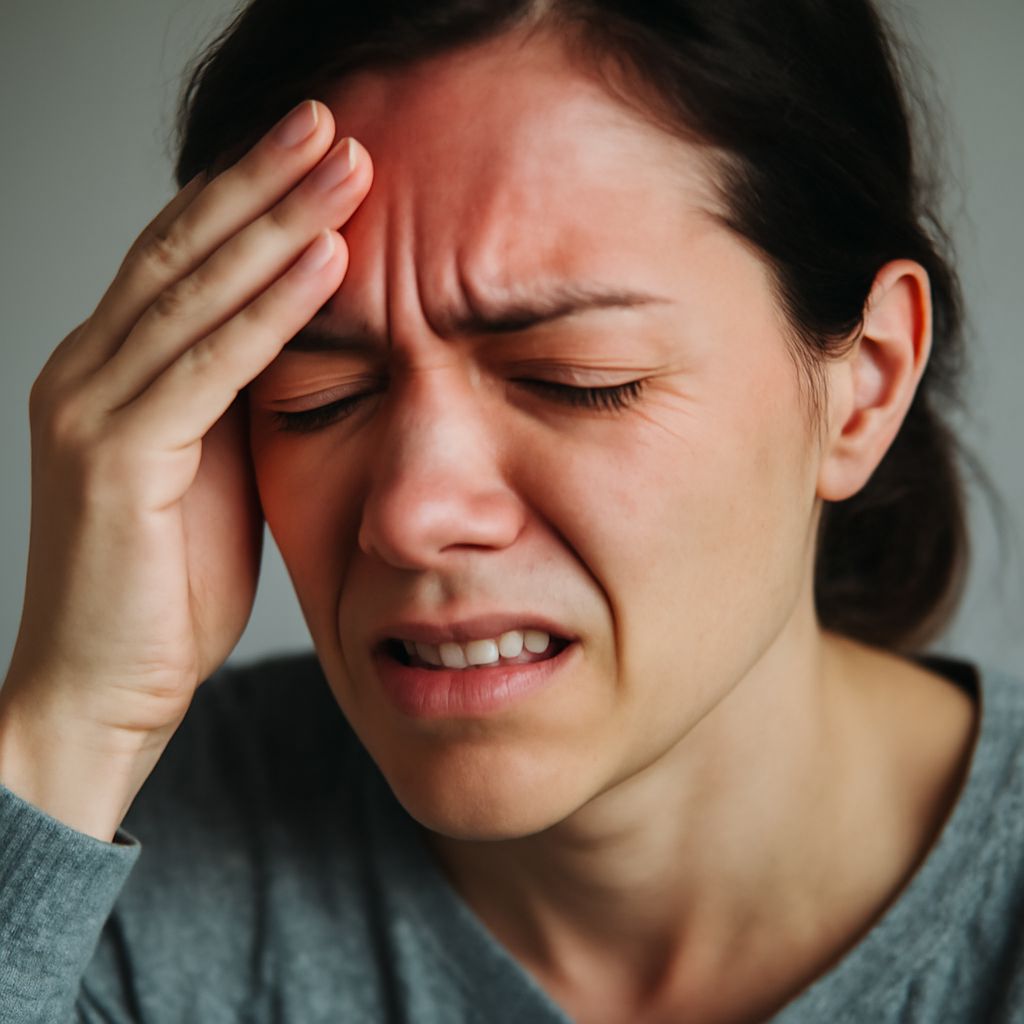
Before choosing the right home remedy, it is important to know how migraines feel and what triggers them. Migraines are more than just headaches. They often cause pulsing pain on one side of the head, along with nausea, light sensitivity, noise intolerance and sometimes visual disturbances called aura. Triggers can vary from stress and certain foods to changes in sleep and hormone levels.
Cold Compress for Immediate Relief
One of the simplest and most effective home remedies for migraines is applying a cold compress to the forehead or neck. The cold helps reduce inflammation, numb the area and slow nerve signals that cause pain. Wrap ice in a towel or use a reusable cold gel pack for up to fifteen minutes at a time, with breaks in between applications.
Hydration Plays a Key Role
Dehydration is a common migraine trigger. Drinking water throughout the day helps prevent headaches caused by fluid loss. If you feel the onset of a migraine, drink a glass of water and continue to sip at regular intervals. Avoid drinks with added sugar or caffeine unless your healthcare provider recommends otherwise—it can sometimes worsen symptoms for some people.
Rest in a Quiet, Dark Room
Bright lights and loud sounds can make migraines worse. Try lying down in a cool, dark and quiet room. Shut the curtains, turn off the lights and pause electronic use. Resting in a peaceful space helps calm the nervous system and reduce symptom intensity. Soft breathing or meditation during rest can also improve comfort.
Essential Oils for Soothing Effects
Some people find natural relief from migraines by using essential oils such as peppermint or lavender. Peppermint oil applied to the temples may reduce muscle tension and increase blood flow, while lavender has calming effects that reduce stress. Dilute oils with a carrier oil before applying to the skin and avoid direct contact with your eyes or mouth. Inhaling the scent using a diffuser is another gentle way to benefit from essential oils.
Ginger Tea as a Natural Option
Ginger has anti-inflammatory and antioxidant properties that make it useful for migraine relief. Drinking fresh ginger tea can help ease pain and nausea. Peel and slice a small piece of ginger root, add it to boiling water and steep it for ten minutes. Drink slowly while warm. If fresh ginger is unavailable, powdered ginger may also help.
Practice Deep Breathing or Meditation
Migraines are often linked to tension or mental stress. Slow breathing, meditation or mindfulness exercises can support relaxation and ease discomfort. Sit or lie quietly and focus on your breath. Inhale through your nose, then exhale slowly through your mouth. A few minutes of steady breathing often lessens symptom severity and helps clear tension from the body.
Track Your Triggers and Sleep
Monitoring your lifestyle habits can reveal patterns that contribute to migraines. Keep a journal of what you eat, how much you sleep, your stress levels and when symptoms appear. Aim for consistent, quality sleep each night and avoid skipping meals. Once trigger patterns are clear, you can take steps to manage or avoid them more effectively.
When to Seek Medical Help
Although home remedies may offer relief, not all migraines respond to these methods. If your migraines are frequent, last for more than seventy-two hours or affect your ability to function, consult a healthcare provider. Seek immediate help if you experience sudden or severe headache pain, confusion, slurred speech or vision changes not typical for your regular migraines.
Conclusion
Using a home remedy for migraines can provide natural support and comfort when managing daily health. Cold compresses, hydration, rest, essential oils and natural herbs like ginger offer safe ways to relieve symptoms at home. However, it is important to understand your body’s signals and know when professional care is needed. Combining natural relief methods with good lifestyle habits can support long-term migraine management and improve overall well-being.
Disclaimer
This article is for educational purposes only and is not intended to replace professional medical advice or treatment. Always consult a licensed healthcare provider before starting any home remedy, especially if you have other health conditions, take medication or experience new symptoms. In emergencies or severe migraine episodes, seek immediate medical attention.

 Admin
Admin