 Admin
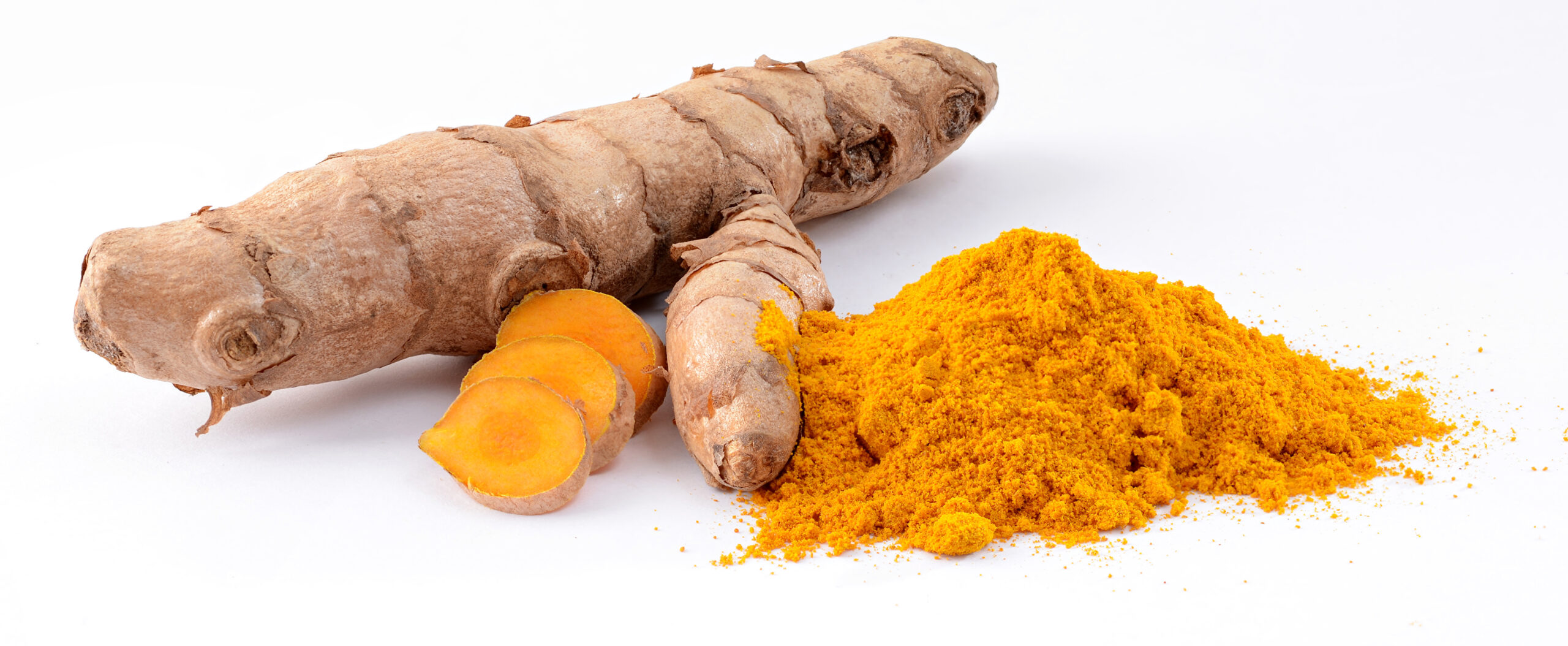
AdminTurmeric (Curcuma longa) has been a cornerstone of traditional Ayurvedic and Chinese medicine for millennia. Today, modern clinical science has identified its primary bioactive compound—curcumin—as a potent anti-inflammatory and antioxidant agent. However, a significant hurdle exists for anyone seeking the therapeutic benefits of this golden spice: bioavailability.
The Curcumin Paradox: Potent but Fleeting
While curcumin is chemically powerful, it possesses three major pharmacokinetic flaws: poor water solubility, rapid systemic elimination, and low intestinal absorption. When consumed in isolation, the vast majority of curcumin is metabolized in the liver and excreted via the feces. In fact, clinical trials have shown that even after oral doses as high as 8 grams, serum levels of curcumin remain almost undetectable.
The Piperine Solution: A 2,000% Increase in Absorption
The most famous breakthrough in functional nutrition regarding turmeric is its synergy with piperine, the active alkaloid found in black pepper (Piper nigrum). Research published in 2024 and 2025 has reaffirmed a landmark discovery: combining just a pinch of black pepper with turmeric can increase curcumin’s bioavailability by up to 2,000% in humans.
How Piperine Works
Piperine acts as a “metabolic inhibitor.” It specifically targets the glucuronidation process in the liver by inhibiting the enzyme UDP-glucuronosyltransferase. By temporarily slowing down this enzyme, piperine allows curcumin to remain in the bloodstream much longer, giving the body time to transport it to the brain, joints, and cardiovascular system.
The Role of Lipids: Why Curcumin is Fat-Soluble
Beyond black pepper, there is a second critical factor: Lipids (fats). Curcumin is lipophilic, meaning it does not dissolve in water but dissolves readily in fat. When turmeric is consumed with a healthy source of fat—such as extra virgin olive oil, coconut milk, or avocado—it forms “micelles” in the digestive tract. These micelles are easily absorbed through the intestinal lining into the lymphatic system, bypassing the first-pass metabolism of the liver.
| Consumption Method | Bioavailability Level | Primary Mechanism |
|---|---|---|
| Turmeric Powder alone | Minimal (<1%) | Rapid hepatic elimination |
| Turmeric + Black Pepper | High (up to 2,000% increase) | Enzyme inhibition (Glucuronidation) |
| Turmeric + Fats (Lipids) | Moderate-High | Micelle formation & Lymphatic uptake |
| Turmeric + Pepper + Fats | Optimal | Synergistic absorption & retention |
Clinical Implications for 2026 and Beyond
As we move further into 2026, clinical research is shifting toward “Combinatorial Nutrition.” Recent meta-analyses have shown that the curcumin-piperine duo doesn’t just improve absorption—it may also enhance the therapeutic effects of other treatments. Specifically, the combination is being studied for its role in reducing C-reactive protein (CRP), a key biomarker for systemic inflammation.
Furthermore, new studies in the Journal of Herbal Medicine indicate that this synergy is particularly effective for managing metabolic syndrome. By modulating lipid parameters, the curcumin-piperine complex has shown the ability to significantly reduce triglycerides and improve HDL cholesterol levels in adults with dyslipidemia.
Practical Strategies for Maximum Potency
To apply this science in your daily wellness routine, follow these evidence-based culinary and supplemental strategies:
- The 1/4 Teaspoon Rule: Add approximately 1/4 teaspoon of freshly ground black pepper for every full teaspoon of turmeric.
- The Golden Latte Method: Prepare your turmeric in a warm, fat-rich base like coconut milk or whole grass-fed milk. Heat also helps to slightly increase the solubility of the curcuminoids.
- Timed Supplementation: If using a concentrated curcumin supplement, ensure it is a “standardized 95% curcuminoids” extract and contains “BioPerine” or a similar piperine-enhanced formula.
- Curcumin is the active compound, but it is “locked” by the liver.
- Piperine acts as the “key” to keep curcumin in the blood.
- Healthy fats are necessary for transporting the compound through the gut.
- Look for high-quality, standardized extracts for clinical-grade results.

 Admin
Admin