 Admin
AdminHome remedies for severe acid reflux can provide immediate relief and long-term management for the burning discomfort that millions experience when stomach acid backs up into the esophagus. If you have ever felt that fiery sensation creeping up your chest after a meal or woken up choking on acid in the middle of the night, you know how desperately you need solutions that actually work.
Severe acid reflux goes beyond occasional heartburn, potentially damaging your esophagus and significantly impacting your quality of life. While antacids offer temporary relief, they often create dependency and can interfere with nutrient absorption when used long-term. Natural remedies address the root causes while providing sustainable relief.
Understanding What Triggers Severe Reflux
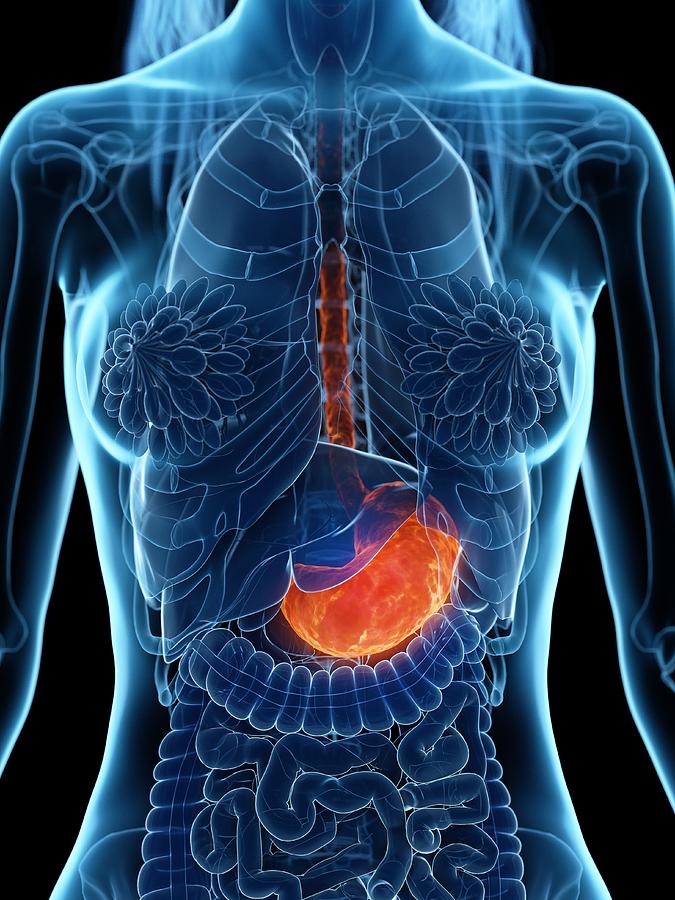
Your lower esophageal sphincter acts as a valve between your stomach and esophagus. When this valve weakens or relaxes inappropriately, stomach contents flow backward, causing the burning sensation and other symptoms. Various factors contribute to this dysfunction, including certain foods, excess weight, and even your sleeping position.
Stomach acid serves important digestive functions, so simply eliminating it is not the answer. Natural remedies focus on strengthening the esophageal sphincter, optimizing digestion, and protecting the esophagus from acid damage while maintaining healthy stomach function.
Aloe Vera Juice: Cooling Internal Relief
Aloe vera juice coats and soothes the esophagus while reducing inflammation caused by acid exposure. Its healing properties help repair damaged tissue and provide a protective barrier against future acid contact.
Drink half a cup of pure aloe vera juice twenty minutes before meals. Choose products specifically processed for internal use and free from aloin, which can cause cramping. Start with smaller amounts to ensure tolerance. Many people find that refrigerated aloe vera provides extra soothing relief. Regular use can help heal the esophageal lining over time.
Slippery Elm: Natural Protective Coating
Slippery elm creates a gel-like coating that protects the esophagus and stomach lining from acid damage. This traditional remedy has been used for centuries for various digestive complaints.
Mix two tablespoons of slippery elm powder with water to create a thick liquid, drinking it after meals and before bed. The consistency might seem unusual initially, but the coating effect provides remarkable relief. You can also find slippery elm lozenges for convenient use throughout the day. Many people combine slippery elm with marshmallow root for enhanced protective effects.
Apple Cider Vinegar: Counterintuitive But Effective
Though adding acid to treat acid reflux seems illogical, many people find apple cider vinegar provides significant relief. The theory suggests that reflux sometimes results from too little stomach acid, causing the sphincter to remain open.
Dilute one tablespoon of raw apple cider vinegar in a large glass of water and drink before meals. Start with less vinegar if you experience any burning. Some people find adding honey improves both taste and effectiveness. This remedy works better for some individuals than others, so discontinue if symptoms worsen.
Elevating Sleep Position
Gravity becomes your ally when you elevate your upper body during sleep. This simple adjustment can dramatically reduce nighttime reflux and morning symptoms.
Raise the head of your bed six to eight inches using bed risers or a wedge pillow. Simply using extra pillows often causes neck strain without properly elevating your esophagus. Sleep on your left side when possible, as this position reduces reflux compared to right-side or back sleeping. Allow at least three hours between eating and lying down.
Ginger: Multi-Action Digestive Support
Ginger reduces inflammation, promotes proper digestion, and helps prevent the delayed stomach emptying that contributes to reflux. Its natural compounds also help tighten the lower esophageal sphincter.
Prepare fresh ginger tea by steeping sliced ginger in hot water for fifteen minutes, drinking it thirty minutes before meals. Candied ginger provides portable relief, though watch the sugar content. Some people find that adding ginger to meals prevents post-meal reflux. Start with small amounts, as too much ginger can occasionally worsen symptoms.
Baking Soda: Emergency Neutralization
Baking soda neutralizes stomach acid quickly, providing rapid relief during severe episodes. However, regular use can disrupt normal digestion and should be reserved for occasional emergency relief.
Mix half a teaspoon of baking soda in four ounces of water and drink slowly. Do not use this remedy more than three times daily or for extended periods. Avoid if you have high blood pressure or are on a sodium-restricted diet. This works best as a rescue remedy while you implement longer-term solutions.
Dietary Modifications: Foundation of Management
Identifying and avoiding trigger foods provides the most sustainable relief from severe reflux. Common triggers include tomatoes, citrus, chocolate, coffee, alcohol, and fatty foods, though individual triggers vary significantly.
Keep a detailed food diary to identify your personal triggers. Eat smaller, more frequent meals rather than large portions that overwhelm your digestive system. Chew thoroughly and eat slowly to promote proper digestion. Many people find that a plant-based diet significantly reduces reflux symptoms. Avoid eating within three hours of bedtime.
Licorice Root: Healing and Protection
Deglycyrrhizinated licorice (DGL) helps heal the esophageal and stomach lining while increasing protective mucus production. Unlike regular licorice, DGL will not raise blood pressure.
Chew two DGL tablets twenty minutes before meals or take powdered DGL mixed with water. The act of chewing stimulates saliva production, which naturally neutralizes acid. Continue use for at least eight weeks to allow tissue healing. Some people find combining DGL with slippery elm provides superior protection.
Probiotics: Balancing Digestive Health
Imbalanced gut bacteria can contribute to reflux by affecting digestion and stomach acid production. Specific probiotic strains help restore proper digestive function and may reduce reflux symptoms.
Choose probiotics containing Lactobacillus acidophilus and Bifidobacterium strains. Take them with meals for best results. Fermented foods like yogurt, kefir, and sauerkraut provide natural probiotics along with enzymes that aid digestion. Give probiotics at least four weeks to show effects, as microbiome changes occur gradually.
Stress Management: The Hidden Factor
Stress directly impacts digestive function, increasing acid production and weakening the esophageal sphincter. Managing stress becomes essential for controlling severe reflux.
Practice deep breathing exercises before meals to activate your parasympathetic nervous system and improve digestion. Regular meditation or yoga can reduce overall stress levels and reflux frequency. Many people find that addressing anxiety and stress provides as much relief as dietary changes.
Melatonin: Surprising Reflux Relief
Research shows melatonin helps strengthen the lower esophageal sphincter and reduce acid production. This sleep hormone also protects the esophageal lining from acid damage.
Take 3-6 mg of melatonin two hours before bedtime. Start with lower doses to assess tolerance. Some studies suggest combining melatonin with B vitamins and amino acids enhances effectiveness. This approach particularly benefits those with nighttime reflux that disrupts sleep.
Creating Your Reflux Management Plan
Severe acid reflux requires a comprehensive approach combining immediate relief strategies with long-term healing. Start with dietary modifications and elevation during sleep, then add targeted remedies based on your symptom patterns.
Track symptoms in relation to foods, stress, and remedies to identify what works best for you. Be patient with natural remedies, as healing damaged tissue takes time. Many people find that consistent use of multiple gentle approaches provides better results than relying on strong interventions.
Important Disclaimer: This article provides educational information about natural remedies for acid reflux and should not replace professional medical evaluation. Severe or persistent acid reflux can indicate serious conditions including Barrett’s esophagus or esophageal cancer. Consult healthcare providers if you experience difficulty swallowing, unexplained weight loss, persistent vomiting, or blood in vomit or stool. Some natural remedies interact with medications or may be inappropriate for pregnant women or people with certain health conditions. Chronic use of acid-suppressing medications should be monitored by healthcare providers.


 Admin
Admin