 Admin
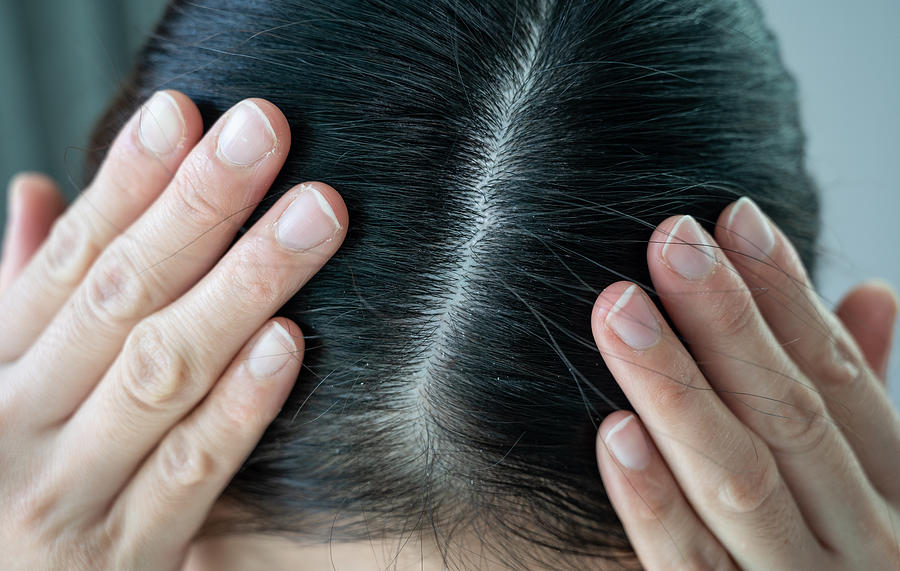
AdminDandruff home care becomes essential when those telltale white flakes start appearing on your shoulders like unwelcome snow, and that persistent scalp itch makes you want to scratch in the middle of important meetings. If you have ever felt self-conscious brushing flakes off your dark shirt before a presentation, or if that constant scalp itching has become the background noise of your daily life, you already know how this seemingly minor condition can chip away at your confidence and comfort in ways that people without dandruff simply do not understand.
The frustrating part is that dandruff often feels like a problem without a clear solution. You try one shampoo that works for a week then stops, you scratch when you think nobody is looking, and you wonder if you are doing something wrong that is causing those flakes to keep returning. Here is the truth: dandruff is incredibly common, affecting nearly half of adults at some point, and it is not caused by poor hygiene or anything you are failing to do. Understanding what actually causes those flakes and that maddening itch gives you the power to address the root cause rather than just temporarily masking symptoms.

What Dandruff Actually Is And Why It Happens
Before you can effectively treat dandruff, you need to understand what is happening on your scalp. Dandruff is not just dry skin, though that is what many people assume when they see white flakes. In reality, most dandruff results from a condition called seborrheic dermatitis, a form of inflammation triggered by an overgrowth of yeast that naturally lives on everyone’s scalp.
Your scalp, like all skin, constantly sheds dead skin cells as part of normal cell turnover. Usually this happens gradually and invisibly. With dandruff, this process accelerates dramatically, causing visible clumps of dead skin cells to shed in those characteristic white or yellowish flakes. The shedding happens because Malassezia, a yeast that feeds on the oils your scalp produces, grows out of balance and triggers inflammation.
This yeast lives on virtually everyone’s scalp without causing problems most of the time. However, certain factors can cause it to multiply excessively. When Malassezia breaks down sebum, the natural oil your scalp produces, it creates byproducts that irritate skin in susceptible people. Your immune system reacts to this irritation with inflammation, which speeds up skin cell production and turnover, creating those visible flakes.
The itching comes from the inflammatory response itself. As your immune system releases histamine and other chemical mediators to fight what it perceives as a problem, these chemicals trigger nerve endings in your scalp, creating that persistent itch. Scratching provides temporary relief but worsens inflammation and can damage your scalp, creating a vicious cycle where itching leads to scratching, which increases inflammation, which intensifies itching.
Several factors make you more prone to dandruff. Oily skin increases dandruff risk because Malassezia feeds on sebum, so more oil means more food for yeast growth. Age plays a role, with dandruff most common from young adulthood through middle age. Being male increases your risk, possibly due to hormonal factors that affect oil production. Certain neurological conditions like Parkinson’s disease and HIV/AIDS increase dandruff susceptibility for reasons not fully understood but likely related to immune function and sebum production.
Identifying Your Type Of Flaking
Not all scalp flaking is dandruff, and treating the wrong condition explains why some products fail to help. Understanding what type of scalp issue you are dealing with ensures you use the right approach from the start.
Classic dandruff produces white to yellowish flakes that are somewhat oily and stick to your hair and scalp. The flakes vary in size from fine powder to larger clumps. Your scalp may look slightly red and feels itchy, but you typically do not see obvious redness or thick scales. Flakes tend to worsen during colder months when indoor heating dries the air, and they may improve somewhat in summer.
Dry scalp creates smaller, drier, white flakes that fall freely from your head like dust. Unlike dandruff, dry scalp flakes are not oily and your scalp does not look inflamed or red. This often results from environmental factors like cold weather, low humidity, or over-washing with harsh shampoos that strip natural oils. The treatment approach for dry scalp differs from dandruff, focusing on adding moisture rather than controlling yeast.
Seborrheic dermatitis represents a more severe form of dandruff with larger, greasier yellow or white scales, significant redness, and inflammation that may extend beyond your scalp to your eyebrows, sides of your nose, behind your ears, or on your chest. This condition requires more aggressive treatment than mild dandruff.
Psoriasis creates thick, silvery scales with well-defined red patches that feel rough and raised. Scalp psoriasis often extends slightly beyond the hairline onto the forehead, and many people with scalp psoriasis have psoriasis patches elsewhere on their body. This autoimmune condition needs different treatment than fungal dandruff.
Contact dermatitis from hair products causes redness, itching, and sometimes flaking that appears after using a new shampoo, conditioner, styling product, or hair dye. The reaction typically develops within hours to days of using the offending product. Stopping the product usually resolves symptoms within a week or two.
Immediate Relief For Itching And Irritation
When your scalp is driving you crazy with itching, you need relief now while longer-term treatments start working. These strategies calm irritation and reduce the overwhelming urge to scratch without making the underlying problem worse.
Apply cool compresses to your scalp to soothe inflammation and numb itch sensations. Soak a clean washcloth in cool water, wring it out, and drape it over your scalp for 10 to 15 minutes. The cold temperature constricts blood vessels, reduces inflammation, and provides immediate itch relief. You can repeat this throughout the day whenever itching becomes intense.
Try an apple cider vinegar rinse to restore scalp pH balance and reduce yeast growth. Mix equal parts apple cider vinegar and water, apply it to your scalp after shampooing, let it sit for a few minutes, then rinse thoroughly. The acidic environment helps control Malassezia while soothing irritation. Some people find this provides substantial itch relief within one or two uses. Use this treatment two to three times per week, not daily, as too much acidity can irritate your scalp.
Massage your scalp gently with your fingertips rather than scratching with your nails. This satisfies the urge to touch your scalp while stimulating blood flow and loosening flakes without causing damage. Use gentle, circular motions and keep your fingernails away from your scalp. Scratching with nails damages skin, increases inflammation, and can lead to infection if you break the skin.
Keep your hands away from your scalp as much as possible. Every time you touch your scalp, you transfer oils, dirt, and potentially bacteria from your hands to your head, which can worsen dandruff. This habit also reinforces the itch-scratch cycle by constantly drawing your attention to your scalp. Notice when you are touching your hair or scalp unconsciously and redirect your hands to something else.
Over-the-Counter Shampoos That Actually Work
Pharmacy shelves are packed with anti-dandruff shampoos containing different active ingredients that work through various mechanisms. Understanding these ingredients helps you choose the right product and use it effectively instead of randomly trying bottles until something works.
Zinc pyrithione shampoos like Head & Shoulders work by slowing the growth of yeast on your scalp while also reducing inflammation. This ingredient has both antifungal and antibacterial properties. Zinc pyrithione is generally gentle and well-tolerated, making it a good first choice for mild to moderate dandruff. Use it at least three times per week for best results, though daily use is safe if needed.
Selenium sulfide products such as Selsun Blue reduce both yeast growth and the rate of skin cell turnover, addressing dandruff from two angles. This ingredient can be more effective than zinc pyrithione for stubborn dandruff but may cause scalp dryness or hair discoloration with overuse, especially on color-treated, gray, or blonde hair. Limit use to two to three times per week and rinse extremely thoroughly.
Ketoconazole shampoos like Nizoral contain a powerful antifungal medication that kills Malassezia yeast more aggressively than other over-the-counter options. Originally available only by prescription, 1% ketoconazole is now sold over the counter while 2% still requires a prescription. This is particularly effective for moderate to severe dandruff or seborrheic dermatitis. Use it twice weekly for maintenance, allowing four to six weeks to see full results.
Coal tar shampoos such as Neutrogena T/Gel slow skin cell turnover and reduce inflammation through mechanisms not fully understood. Coal tar is particularly helpful when dandruff accompanies scalp psoriasis. The downside is the strong odor that some people find unpleasant and the potential for staining light-colored hair. Use two to three times weekly and be patient, as coal tar often takes four to six weeks to show maximum benefit.
Salicylic acid shampoos help by exfoliating the scalp and removing scale buildup. These work well for thick, stubborn flakes but can dry your scalp if used too frequently. Salicylic acid treats symptoms more than causes, so it often works best combined with an antifungal ingredient. Use two to three times weekly and follow with a moisturizing conditioner on your hair, avoiding your scalp.
Proper application technique matters as much as choosing the right shampoo. Wet your hair thoroughly with warm water, then apply the medicated shampoo directly to your scalp rather than just your hair. Massage it into your scalp with your fingertips using gentle, circular motions. Leave the shampoo on for at least five minutes to allow the active ingredients time to work. Most people rinse immediately, which does not give the medication enough contact time to be effective. Set a timer if needed, then rinse thoroughly.
Natural And Home Remedies With Real Evidence
Many natural approaches to dandruff have been used traditionally for generations, and some now have scientific research supporting their effectiveness. These options appeal to people who prefer natural treatments or want to supplement conventional approaches without the cost of specialized shampoos.
Tea tree oil possesses strong antifungal and antibacterial properties that research shows can reduce dandruff. A study found that shampoo containing 5% tea tree oil significantly reduced dandruff severity compared to placebo. You can buy tea tree oil shampoo or add a few drops of pure tea tree oil to your regular shampoo. Start with 5 to 10 drops per ounce of shampoo, mix well, and use it as you would any shampoo, leaving it on your scalp for five minutes before rinsing. Never apply undiluted tea tree oil directly to your scalp, as it can cause severe irritation.
Coconut oil has antifungal properties and provides deep moisturization that can benefit both dandruff and dry scalp. Apply organic, virgin coconut oil to your scalp and hair, massage it in thoroughly, and leave it on for at least 30 minutes or overnight if possible. Coconut oil is solid at room temperature but melts when it contacts your warm scalp. Cover your pillow with a towel if leaving it on overnight, then shampoo it out in the morning. The oil helps loosen flakes while its antifungal compounds address yeast overgrowth. Use this treatment one to three times weekly.
Aloe vera gel soothes irritated scalp and has antifungal and antibacterial properties. Research suggests aloe vera can reduce inflammation and control the fungal growth that contributes to dandruff. Apply pure aloe vera gel directly to your scalp, let it sit for 15 to 30 minutes, then wash it out with a gentle shampoo. You can use fresh gel from an aloe plant or bottled pure aloe vera gel without added ingredients. This treatment is gentle enough to use several times per week.
Baking soda acts as a gentle exfoliant that removes flakes and absorbs excess oil while creating an environment less favorable to fungal growth. Wet your hair, then rub a handful of baking soda into your scalp, massaging gently. Leave it on for a few minutes, then rinse thoroughly without using shampoo. Your hair may feel dry initially, but your scalp should adjust its oil production after a few weeks. Use this method once or twice weekly, and discontinue if it causes excessive dryness or irritation.
Omega-3 fatty acids taken as supplements or through diet may help reduce inflammation and regulate oil production. While omega-3s will not cure dandruff directly, they support overall skin health and may reduce the severity of symptoms. Fatty fish like salmon, mackerel, and sardines provide omega-3s through diet, or you can take fish oil or algae-based omega-3 supplements. Give this approach at least two to three months to see effects.
The Role Of Diet In Scalp Health
While diet alone rarely causes or cures dandruff, what you eat influences inflammation levels, immune function, and skin health in ways that can affect dandruff severity. Supporting your treatment with dietary choices creates a more favorable internal environment for scalp health.
Foods rich in B vitamins, particularly biotin, B6, and B12, support healthy skin cell production and turnover. Deficiencies in these vitamins can worsen dandruff and other skin conditions. Eggs, nuts, seeds, whole grains, legumes, and leafy greens provide B vitamins. Most people get adequate B vitamins through a varied diet, but if you suspect a deficiency or follow a restrictive diet, consider a B-complex supplement.
Zinc plays a crucial role in immune function and wound healing, and zinc deficiency can contribute to various skin problems including dandruff. Oysters, beef, pumpkin seeds, lentils, and chickpeas are excellent zinc sources. The recommended daily intake is about 11 mg for men and 8 mg for women.
Probiotic foods and supplements support healthy immune function and may help regulate the inflammatory response that contributes to dandruff. While the connection between gut bacteria and scalp health is still being researched, maintaining healthy gut flora through yogurt, kefir, sauerkraut, kimchi, and other fermented foods supports overall health in ways that may benefit your scalp.
Limiting sugar and refined carbohydrates may help some people manage dandruff. High sugar intake can promote inflammation and may encourage yeast growth throughout the body. While this connection is not definitively proven for scalp yeast, reducing sugar consumption offers numerous health benefits and may improve dandruff for some individuals.
What Makes Dandruff Worse
Certain habits and environmental factors can trigger flare-ups or make existing dandruff more stubborn. Identifying and avoiding these triggers often provides as much improvement as adding new treatments.
Stress significantly affects dandruff severity for many people. Stress hormones impact immune function and can trigger inflammatory responses throughout your body, including your scalp. Many people notice their dandruff worsens during particularly stressful periods. While you cannot eliminate all stress, developing healthy coping mechanisms through exercise, meditation, adequate sleep, and relaxation techniques helps manage stress-related flare-ups.
Cold, dry weather worsens dandruff for most people. Indoor heating during winter months creates low humidity that dries skin, while cold outdoor air and wearing hats can irritate your scalp. Using a humidifier in your home during winter months adds moisture to the air and can reduce dandruff severity. Aim for indoor humidity between 30 and 50 percent.
Infrequent washing allows oils and dead skin cells to accumulate on your scalp, providing more food for yeast and allowing flakes to build up. Contrary to old advice about washing hair less often, most people with dandruff benefit from washing at least every other day, and daily washing is fine if your scalp is very oily. The key is using a gentle or medicated shampoo rather than harsh products that strip too much oil.
Over-washing with harsh shampoos can also backfire by irritating your scalp and triggering increased oil production as your skin tries to compensate for being stripped of natural oils. Find a balance that keeps your scalp clean without causing dryness or irritation. Pay attention to how your scalp responds rather than following arbitrary rules about washing frequency.
Hair products that contain alcohol, heavy fragrances, or harsh chemicals can irritate sensitive scalps and worsen dandruff. Styling products that build up on your scalp provide more surface area for yeast growth. Read ingredient labels and choose products formulated for sensitive skin when possible. Sulfate-free shampoos are gentler for many people, though medicated dandruff shampoos often contain sulfates that help the active ingredients penetrate.
Hot water strips natural oils from your scalp more aggressively than warm or cool water. While a hot shower feels great, it can worsen both dandruff and dry scalp conditions. Wash your hair with warm water and finish with a cool rinse to seal hair cuticles and soothe your scalp.
Building An Effective Hair Care Routine
Random treatment attempts rarely work as well as a consistent, strategic routine. Building an effective dandruff care routine and sticking with it for several weeks allows you to see real results and identify what actually works for your specific situation.
Start with the right washing frequency for your scalp type. Oily scalps typically need daily or every-other-day washing with medicated shampoo. Normal to dry scalps often do best with washing three to four times weekly. Experiment to find what keeps your flakes and itching controlled without causing excessive dryness.
Use your medicated shampoo consistently for at least four weeks before deciding whether it works. Many people give up after a week when they do not see dramatic improvement, but most anti-dandruff treatments need time to show full effectiveness. Mark your calendar and commit to at least a month of consistent use.
Rotate between two different types of medicated shampoo if one type stops working or works only partially. For example, alternate between a zinc pyrithione shampoo and a ketoconazole shampoo. Using different active ingredients prevents your scalp from becoming accustomed to one treatment and addresses dandruff through multiple mechanisms.
Follow medicated shampoo with a gentle, moisturizing conditioner applied only to your hair, not your scalp. Conditioning your hair prevents the dryness and tangles that some medicated shampoos cause, but applying conditioner to your scalp can clog pores and provide more food for yeast. Focus conditioner from mid-length to the ends of your hair.
Exfoliate your scalp once weekly using a scalp scrub or a soft brush. This physically removes flake buildup and dead skin cells that can accumulate despite regular shampooing. You can buy scalp scrubs or make your own by mixing brown sugar with coconut oil or your regular shampoo. Massage gently in circular motions, then rinse thoroughly. Avoid aggressive scrubbing that can damage your scalp.
Let your hair air dry when possible or use the cool setting on your hair dryer. Heat styling tools and hot blow dryers can irritate your scalp and dry it out, potentially worsening dandruff. When you do use heat styling, keep tools away from your scalp and use a heat protectant product.
Special Considerations For Different Hair Types
Dandruff affects all hair types, but treatment approaches may need adjustment based on your specific hair texture, thickness, and care requirements. What works perfectly for someone with fine, straight hair might not suit someone with thick, coily hair.
Thick or coily hair presents unique challenges because it can be harder to get shampoo thoroughly distributed across your scalp, and these hair types typically need less frequent washing to maintain moisture. If you have thick or textured hair, section it before applying medicated shampoo to ensure you reach all areas of your scalp. Use applicator bottles to apply shampoo directly to your scalp rather than pouring it on top of your hair. You may need to wash twice to ensure adequate coverage.
Natural or protective hairstyles like braids, locs, or twists require special attention because they make scalp access difficult. Dandruff treatments still need to reach your scalp to work. Use applicator bottles with narrow tips to apply medicated shampoo or diluted treatments directly to your scalp between braids or at the roots. For locs, work shampoo into your scalp thoroughly, understanding that you may need extra time to rinse completely.
Fine or thin hair can look greasy quickly, and some people worry that medicated shampoos will make hair look flat or oily. Choose lightweight formulations and ensure you rinse extremely thoroughly. If your medicated shampoo makes your hair look limp, use it every other wash, alternating with a volumizing shampoo, or apply medicated shampoo only to your scalp while using regular shampoo on the lengths of your hair.
Color-treated or chemically processed hair requires gentler handling because some medicated ingredients can strip color or dry already-compromised hair. Selenium sulfide is particularly prone to causing discoloration. Ketoconazole and zinc pyrithione are generally safer for color-treated hair. Always deep condition after using medicated shampoo, and consider spacing chemical treatments farther apart until you get dandruff under control.
When Dandruff Resists Home Treatment
Most dandruff responds to over-the-counter treatments within four to six weeks of consistent use. However, sometimes flaking and itching persist despite your best efforts, or they improve temporarily then return with a vengeance. These situations signal that you need professional help rather than more experimentation with drugstore products.
See a dermatologist if over-the-counter treatments have not improved your symptoms after six to eight weeks of consistent, proper use. You may need prescription-strength formulations containing higher concentrations of ketoconazole, stronger antifungal medications, or topical steroids to calm severe inflammation. Your dermatologist can also determine whether you actually have dandruff or a different condition requiring alternative treatment.
Consult a doctor if your scalp becomes severely inflamed, develops crusty sores, bleeds from scratching, or shows signs of infection like increasing pain, warmth, or pus. These symptoms indicate that simple dandruff has progressed to a more serious problem requiring medical intervention. Bacterial infections can develop when scratching breaks the skin, and these need antibiotic treatment.
Seek medical evaluation if flaking and scaling extend significantly beyond your scalp to your face, ears, chest, or other body areas. This suggests seborrheic dermatitis or possibly psoriasis rather than simple dandruff, and these conditions often require stronger treatments than over-the-counter dandruff shampoos provide.
Get checked if you experience sudden, severe dandruff with no obvious trigger, especially if you also develop other symptoms like fatigue, unexplained weight changes, or other skin issues. In rare cases, sudden severe dandruff can be an early sign of immune system problems or other medical conditions that need diagnosis and treatment.
Prescription treatments your dermatologist might recommend include stronger ketoconazole formulations, other antifungal medications like ciclopirox, topical corticosteroids to reduce inflammation, or combination products. For severe or treatment-resistant cases, oral antifungal medications may be prescribed, though these are reserved for situations where topical treatments have failed due to potential side effects.
Understanding Seborrheic Dermatitis
Seborrheic dermatitis represents the more severe end of the dandruff spectrum and requires understanding because it behaves somewhat differently than mild dandruff. If your flaking comes with significant redness, thick scales, and extends beyond your scalp, you are likely dealing with seborrheic dermatitis rather than simple dandruff.
This condition commonly affects areas rich in oil glands beyond just the scalp, including eyebrows, sides of the nose, behind the ears, the center of the chest, and sometimes the groin area. Flakes tend to be larger, greasier, and more yellowish than typical dandruff. The redness and inflammation are more pronounced, and itching can be intense.
Seborrheic dermatitis often requires more aggressive treatment than simple dandruff. Over-the-counter treatments can help, but many people need prescription medications. The condition tends to be chronic, improving and worsening in cycles rather than clearing up permanently. Managing it becomes a long-term maintenance project rather than a one-time fix.
Certain factors increase seborrheic dermatitis severity, including stress, illness, cold weather, and oily skin. People with neurological conditions like Parkinson’s disease, those recovering from strokes, and people with HIV/AIDS have higher rates of severe seborrheic dermatitis. Understanding your triggers helps you manage the condition more effectively.
Treatment for seborrheic dermatitis typically involves medicated shampoos containing ketoconazole, selenium sulfide, or coal tar used several times weekly along with topical medications for facial and body involvement. Your doctor may prescribe antifungal creams, low-potency steroid creams for short-term use during flares, or calcineurin inhibitors that reduce inflammation without steroid side effects.
The Psychological Impact Of Persistent Flaking
Beyond physical discomfort, visible dandruff can significantly affect your self-esteem, social confidence, and emotional wellbeing. These psychological impacts are real and valid, not superficial vanity. Acknowledging the emotional burden helps you address it alongside the physical symptoms.
Constant worry about white flakes on your shoulders can make you self-conscious in social and professional situations. You might avoid wearing dark colors, constantly brush at your shoulders, or feel anxious in close conversations where someone might notice flaking. This hypervigilance is exhausting and can lead to social withdrawal or avoiding situations you would otherwise enjoy.
The visible nature of dandruff triggers shame for many people despite it being a common, benign condition. Society unfortunately associates visible scalp issues with poor hygiene, even though dandruff has nothing to do with cleanliness. This unfair stigma can make you feel judged or embarrassed, particularly in dating situations or new relationships.
Persistent itching affects concentration, sleep quality, and overall quality of life. Trying to resist scratching in public while your scalp screams for relief creates constant background stress. Poor sleep from nighttime itching compounds the problem by lowering your overall stress tolerance and potentially weakening immune function.
Addressing the emotional impact involves both treating the physical condition and developing psychological coping strategies. Cognitive behavioral techniques can help you manage anxiety about your appearance and challenge catastrophic thinking about what others notice or think. Support groups or online communities connect you with others dealing with similar issues, reducing isolation and providing practical tips.
Remember that most people notice your dandruff far less than you imagine. We are always our own harshest critics, and what feels glaringly obvious to you is often barely noticeable to others who are focused on their own concerns. Working on the physical problem while also challenging negative thought patterns provides the most comprehensive relief.
Dandruff Myths That Keep You Stuck
Misinformation about dandruff causes people to use ineffective treatments, blame themselves unfairly, or avoid strategies that would actually help. Clearing up these myths allows you to focus on approaches that work.
Myth: Dandruff comes from dry scalp and washing less will help. Reality: Most dandruff actually occurs with oily scalps and improves with more frequent washing using medicated shampoo, not less. Dry scalp does cause flaking, but it looks and behaves differently than fungal dandruff. Assuming dandruff means you should wash less often usually makes the problem worse.
Myth: Dandruff means you are not washing your hair properly. Reality: Dandruff results from how your skin reacts to a naturally occurring yeast, not from poor hygiene. You can wash your hair perfectly and still have dandruff. This myth creates unfair shame and prevents people from seeking appropriate treatment.
Myth: Dandruff is contagious. Reality: You cannot catch dandruff from someone else. While the yeast that contributes to dandruff lives on everyone’s scalp, whether you develop dandruff depends on your individual scalp environment and immune response, not on exposure to someone with flakes.
Myth: Dandruff will go away on its own if you ignore it. Reality: Dandruff is typically a chronic condition that requires ongoing management. Ignoring it usually allows it to worsen rather than resolve spontaneously. However, with proper treatment, most people can control dandruff effectively.
Myth: You should only use dandruff shampoo until the flakes disappear, then switch back to regular shampoo. Reality: Dandruff usually returns when you stop treatment because you have not eliminated the underlying causes, just controlled symptoms. Most people need to continue using medicated shampoo long-term, though you might reduce frequency once symptoms are controlled.
Myth: Expensive products work better than drugstore options. Reality: Active ingredients matter more than price. A properly used drugstore zinc pyrithione or selenium sulfide shampoo often works as well as or better than expensive boutique products with trendy ingredients but lower concentrations of proven anti-dandruff actives.
Creating A Sustainable Long-Term Approach
Dandruff management is usually not a temporary project but rather an ongoing aspect of your personal care routine. Approaching it as a chronic condition requiring maintenance rather than a problem you can permanently fix helps you develop sustainable strategies that work with your lifestyle.
Once you find a treatment regimen that controls your dandruff, resist the temptation to immediately stop using it. Instead, gradually reduce frequency to find the minimum maintenance level that keeps you flake-free. Many people can eventually scale back from daily medicated shampoo to two or three times weekly while staying symptom-free.
Keep a simple log of your dandruff patterns, noting when it worsens or improves and what might have triggered changes. This helps you identify personal triggers like stress, weather changes, dietary factors, or product changes so you can anticipate and prevent flare-ups rather than just reacting to them.
Stock up on the products that work for you so you never run out and face the temptation to skip treatments. Having your proven shampoo always available prevents the all-too-common cycle of running out, using regular shampoo for a few days, and then dealing with returning flakes that take another week to get back under control.
Be prepared to adjust your routine seasonally. Many people need more intensive treatment during winter months when cold, dry air and indoor heating worsen dandruff, while summer might allow reduced treatment frequency. Anticipating these patterns and adjusting proactively works better than waiting until you have a full flare-up.
Consider your dandruff routine as essential self-care rather than an annoying chore. This mental shift makes it easier to maintain consistency. Just as you brush your teeth daily without thinking about it, your scalp care routine can become an automatic part of your hygiene that requires no special motivation or willpower.
Prevention Strategies For Clear Scalps
While you cannot prevent dandruff entirely if you are prone to it, certain strategies reduce frequency and severity of flare-ups. These preventive approaches create an environment less favorable to the yeast overgrowth and inflammation that cause flaking.
Manage stress through regular exercise, adequate sleep, meditation, or other relaxation techniques that work for you. Since stress is a major trigger for dandruff flare-ups, developing healthy stress management skills serves as preventive medicine for your scalp along with countless other health benefits.
Maintain a balanced diet rich in B vitamins, zinc, and omega-3 fatty acids. While diet alone will not prevent dandruff in susceptible people, nutritional deficiencies can worsen it, and optimal nutrition supports healthy skin function throughout your body including your scalp.
Get regular sunlight exposure in moderation. UV light has anti-inflammatory effects and can help control the yeast that contributes to dandruff. Just a few minutes of sun on your scalp several times weekly may help, though obviously you need to balance this against skin cancer risk and never burn your scalp. Never use tanning beds, which provide UV damage without the benefits of natural sunlight.
Wash items that touch your scalp regularly, including hats, pillowcases, hair brushes, and combs. These can harbor yeast and dead skin cells that recontaminate your scalp even as you are treating it. Wash pillowcases at least weekly in hot water, clean hair tools every week or two, and avoid sharing these items with others.
Limit styling products when possible, especially heavy oils, pomades, and products that build up on your scalp. When you do use styling products, choose lightweight options and ensure you wash them out completely during your next shampoo. Product buildup provides more surface area for yeast colonization.
Final Thoughts
Dandruff home care succeeds when you understand that those flakes and itching result from a manageable condition, not a personal failing or impossible problem. The key lies in consistent use of proven treatments, patience to allow them time to work, and willingness to adjust your approach based on your individual response rather than giving up when the first product you try does not work perfectly.
Most people can achieve excellent dandruff control using over-the-counter medicated shampoos, natural remedies, and lifestyle adjustments. The process requires some trial and error to find your optimal combination, but once you discover what works for your specific scalp, maintaining clear, comfortable skin becomes straightforward.
Remember that dandruff is extremely common and nothing to be ashamed of. Half of all adults deal with it at some point, and it reflects nothing about your cleanliness, health, or worth as a person. It is simply a minor medical condition that responds well to appropriate treatment when you give it consistent attention.
For those dealing with stubborn dandruff that resists home treatment, professional help is available and often highly effective. Dermatologists have prescription treatments and diagnostic tools that can identify exactly what is causing your flaking and provide targeted solutions. Do not suffer through severe symptoms when stronger treatments exist.
Disclaimer
The information provided in this article is for educational purposes only and is not intended to replace professional medical advice, diagnosis, or treatment. Scalp flaking and itching can result from numerous conditions including dandruff, seborrheic dermatitis, psoriasis, fungal infections, contact dermatitis, and other medical issues that may require different treatments. Always consult with your physician, dermatologist, or other qualified healthcare provider for proper diagnosis and treatment recommendations.
Over-the-counter and natural remedies can cause side effects, allergic reactions, or interact with medications or health conditions. What is safe and effective for one person may not be appropriate for another based on individual health circumstances, allergies, scalp sensitivity, or other factors. If you experience increased irritation, redness, swelling, or any concerning symptoms after using a product, discontinue use immediately and consult a healthcare provider.
Never apply undiluted essential oils directly to your scalp, as they can cause severe irritation or burns. Always dilute essential oils in appropriate carrier oils and perform patch tests before applying them to large areas. Be cautious with home remedies and discontinue any treatment that causes discomfort or worsening symptoms.
Seek professional medical attention if your scalp condition does not improve after six to eight weeks of consistent home treatment, if symptoms worsen despite treatment, if you develop severe inflammation or signs of infection, or if flaking and scaling extend significantly beyond your scalp. These situations may indicate conditions requiring prescription treatment or medical diagnosis.
People with compromised immune systems, chronic health conditions, or those taking medications that affect immune function should consult their healthcare providers before starting new scalp treatments, as they may be more susceptible to infections or adverse reactions. Pregnant or breastfeeding women should also consult healthcare providers before using medicated shampoos or treatments, as some ingredients may not be recommended during pregnancy or lactation.
The authors and publishers of this article are not responsible for any adverse effects or consequences resulting from the use of any suggestions, preparations, or procedures described herein. Individual results vary, and no specific outcome can be guaranteed. This article reflects current understanding based on available research, but medical knowledge continually evolves. For personalized medical advice tailored to your specific situation, please consult with your healthcare provider.
“`


 Admin
Admin