 Admin
Admin
Understanding Seasonal Allergies
Seasonal allergies, also known as hay fever, occur when your immune system reacts to airborne substances such as pollen, mold spores, or dust. These allergens trigger symptoms like sneezing, runny nose, and congestion. While over-the-counter medications are available, many people prefer natural remedies to avoid side effects and support overall wellness.
Saline Nasal Rinses
Saline nasal rinses help clear pollen and other irritants from your nasal passages. By gently washing away these particles, you can reduce inflammation and relieve symptoms. Use a neti pot or squeeze bottle with a saline solution made from distilled water and non-iodized salt.
Local Honey
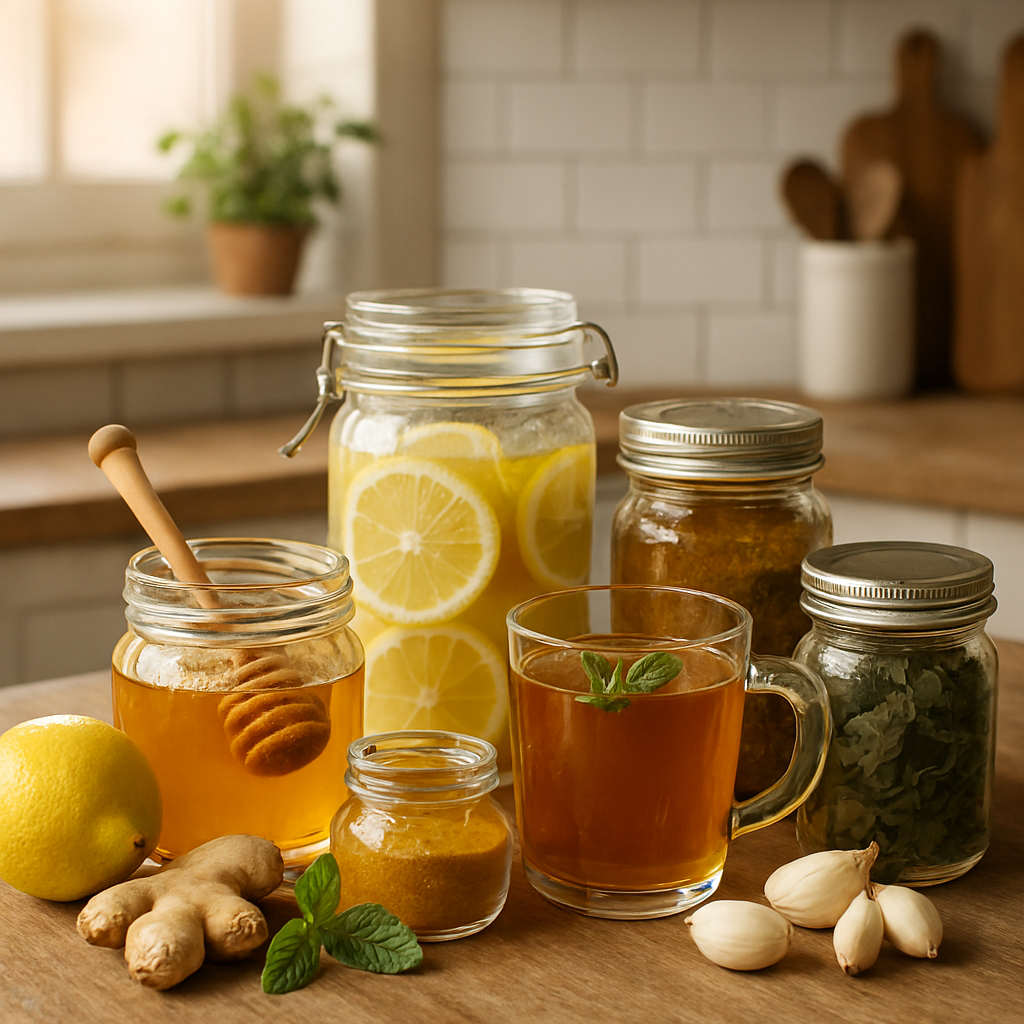
Consuming local honey may help your body build tolerance to pollen in your area. Although scientific evidence is limited, many people report fewer allergy symptoms after adding a teaspoon of local honey to their daily routine.
Herbal Teas
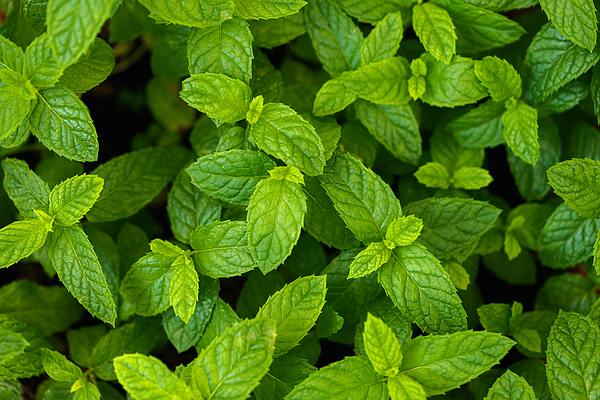
Herbal teas such as peppermint, chamomile, and ginger can soothe irritated airways and reduce inflammation. Drinking these teas regularly may help relieve allergy symptoms and support your immune system.
Probiotics
Probiotics, found in yogurt and fermented foods, help balance your gut bacteria and may reduce the severity of allergy symptoms. Consider adding probiotic-rich foods to your meals for ongoing support.
Conclusion
Managing seasonal allergies with natural remedies is possible and often effective. By incorporating saline rinses, local honey, herbal teas, and other simple strategies into your daily routine, you can find relief and improve your quality of life. Always pay attention to your body and consult a healthcare professional if your symptoms persist or worsen.
Disclaimer: This article is for educational purposes only and does not substitute for professional medical advice, diagnosis, or treatment. Always consult your healthcare provider with any questions you may have regarding a medical condition.


 Admin
Admin