 Admin
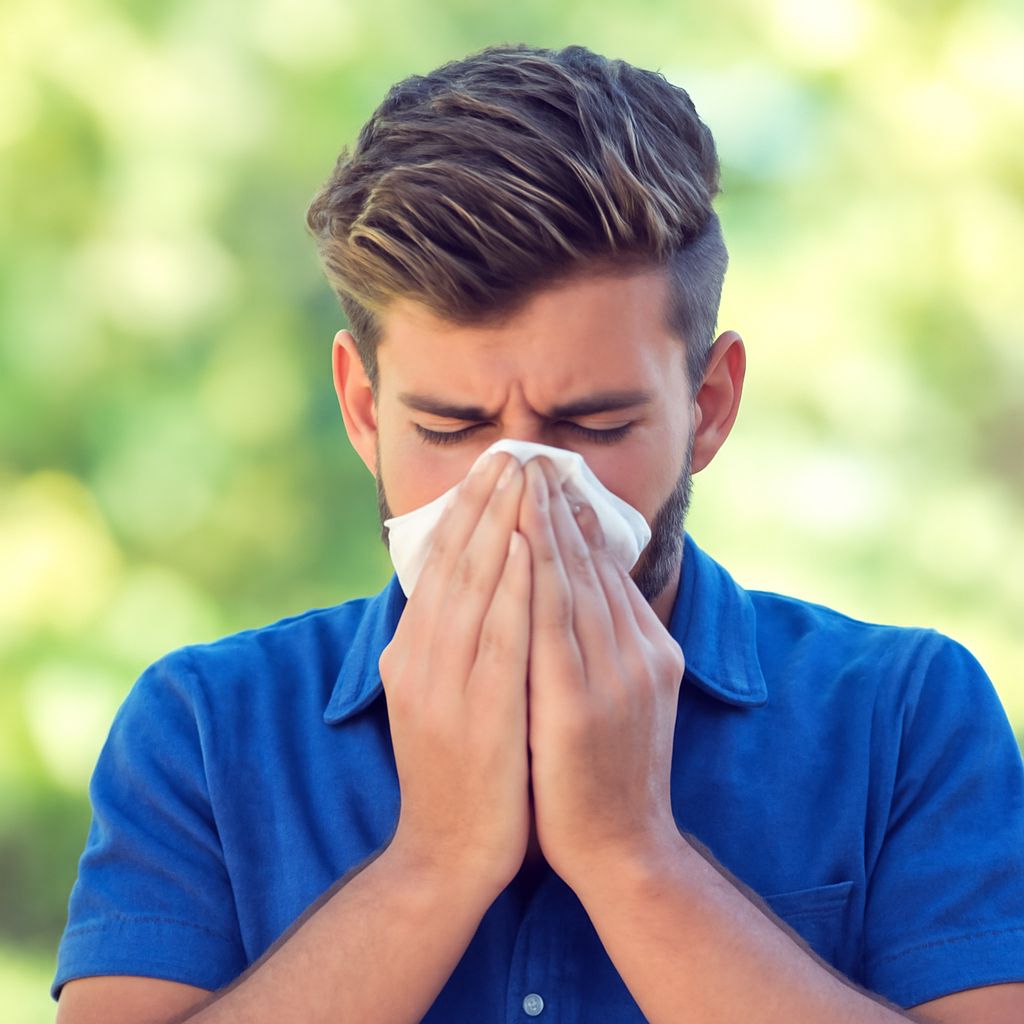
AdminSneezing is one of the body’s natural reflexes that helps protect the respiratory system, but its sudden and frequent occurrence can raise concerns. Whether it happens due to dust, allergies, or an illness, understanding what triggers a sneeze and how to manage it can help you stay comfortable and healthy. In this article, you will learn what causes sneezing, how it works, and what to do if it becomes persistent or disruptive.
What Is Sneezing?
Sneezing, medically known as sternutation, is a forceful expulsion of air through the nose and mouth. It happens when the inner lining of your nose becomes irritated, prompting the body to remove the offending particles. Although it tends to last only a moment, sneezing plays an important role in keeping the nasal passages clear and protecting the respiratory system from potential harm.
Common Causes of Sneezing
Several factors can trigger sneezing, some of which are temporary while others can be chronic. Common causes include:
- Allergens: Pollen, dust mites, pet dander, mold, and certain foods can cause the immune system to respond with sneezing.
- Infections: Viral infections such as the common cold and flu often cause sneezing as the body fights off the virus.
- Environmental irritants: Smoke, pollution, strong odors, and chemical fumes can irritate the nasal lining.
- Temperature changes: Sudden exposure to cold or dry air can trigger sneezing in some individuals.
- Light or photic sneezing reflex: In certain people, sudden exposure to bright light can cause sneezing, an inherited reflex known as the photic sneeze reflex.
How Sneezing Works
Sneezing is your body’s way of clearing out irritants from your nose or throat. When something irritating enters the sinus passage, nerve endings send signals to the brain. This signal activates a reflex involving your chest muscles, throat, and face to push out air in a rapid burst. This powerful exhalation can travel at high speed, helping to remove the irritants quickly and efficiently.
When Sneezing Becomes Frequent
Occasional sneezing is normal. However, if sneezing becomes frequent or affects your daily activities, it may be linked to allergies or an underlying condition. Persistent sneezing can also cause side effects such as a sore throat, nasal dryness, or even mild headaches. In such cases, identifying the trigger is key to managing the problem. You may benefit from keeping a symptom diary to observe patterns and possible causes over time.
Home Remedies for Sneezing
Several home remedies may help reduce or relieve sneezing depending on the cause. Some effective options include:
- Stay hydrated: Drinking water helps thin mucus and keeps nasal passages moist, reducing the urge to sneeze.
- Use a saline nasal spray: Rinsing your nose with saline water clears out allergens and soothes irritation inside the nostrils.
- Try steam inhalation: Steam helps open nasal passages and reduce congestion caused by allergies or infections.
- Avoid triggers: Keep your environment clean and avoid exposure to dust, smoke, or strong scents if they cause sneezing.
- Drink herbal teas: Ginger tea or peppermint tea may offer calming effects on the respiratory system.
Sneezing and Allergies
Allergic rhinitis, often called hay fever, is a common cause of ongoing sneezing. It occurs when the immune system reacts to harmless substances like pollen or animal dander. Sneezing from allergies is often accompanied by a runny nose, itchy eyes, or nasal congestion. While doctors may prescribe antihistamines or nasal corticosteroids, minimal exposure to allergens and proper home management can reduce the need for medication in some cases.
Sneezing in Children
Sneezing is common in children, especially during seasonal changes or when exposed to classroom allergens. If a child sneezes occasionally with no other major symptoms, it is usually not a cause for concern. However, persistent sneezing along with a fever, rash, or fatigue may require medical guidance. Parents can help by ensuring the child gets plenty of fluids, maintains good hygiene, and avoids potential allergen exposure.
Prevention Tips for Controlling Sneezing
Although sneezing is often harmless, prevention can lower how often it occurs. Here are a few tips:
- Keep indoor air clean with proper ventilation or using an air purifier.
- Wash hands and change clothes after spending time outdoors, especially during allergy seasons.
- Dust and vacuum regularly to reduce household allergens.
- Stay away from secondhand smoke or strong sprays and perfumes.
- Identify and monitor your personal sneezing triggers through experience or medical testing.
When to See a Doctor
Seek medical attention if sneezing comes with symptoms such as high fever, facial pain, nosebleeds, or difficulty breathing. If you have allergies that are not improving with lifestyle changes, a healthcare provider may recommend allergy tests or medications. Pay attention to your body’s signals and do not ignore symptoms that persist for weeks or worsen over time.
Sneezing is the body’s natural defense mechanism, helping keep the airways clear of irritants. While it is often harmless, understanding the causes of sneezing and applying simple remedies at home can help control its frequency and impact. Whether you are experiencing occasional sneezing or daily reactions due to allergens, staying informed empowers you to take better care of your health and environment.
Disclaimer
This article is for educational purposes only and does not replace professional medical advice, diagnosis, or treatment. Always consult your doctor or a qualified healthcare provider with any medical questions or before starting home treatment, especially if symptoms are frequent, severe, or unclear in cause.

 Admin
Admin