 Admin
Admin
People have brewed herbs for medicinal purposes for thousands of years. Modern research now confirms what traditional healers understood. Specific herbal teas carry measurable effects on your body and brain.
You drink tea to relax or warm up. But the herbs in your cup contain active compounds that interact with your nervous system, digestive tract, and cardiovascular system in specific, documented ways.
This is a guide to ten herbal teas with real therapeutic value. Each entry includes the science behind the claims, proper preparation methods, dosing guidance, and relevant cautions. These teas will not replace medical treatment for serious conditions. They do offer genuine support for common issues like poor sleep, digestive discomfort, and daily stress.
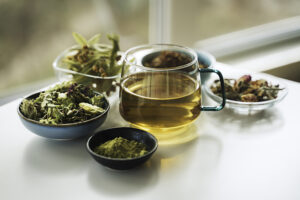
Chamomile Tea
Chamomile is the most widely consumed herbal tea on the planet. Roughly one million cups are consumed daily worldwide. The flowers of the Matricaria chamomilla plant contain over 120 identified chemical compounds. The most important are apigenin, bisabolol, and chamazulene.
Apigenin is the compound responsible for chamomile’s calming effect. This flavonoid binds to benzodiazepine receptors in your brain, the same receptors targeted by anti-anxiety medications like Valium. The effect is milder, but measurable.
A 2016 study published in Phytomedicine tested chamomile on 93 people with generalized anxiety disorder. Participants who took chamomile extract for 8 weeks showed significantly reduced anxiety symptoms compared to the placebo group. Those who stopped taking chamomile experienced a return of symptoms, confirming the compound was responsible for the improvement.
Chamomile also supports sleep. A randomized controlled trial in the Journal of Advanced Nursing studied 80 postnatal women with poor sleep quality. Those who drank chamomile tea daily for two weeks reported significantly better sleep and fewer symptoms of depression compared to the control group.
For digestion, chamomile acts as a smooth muscle relaxant. The bisabolol and chamazulene in the tea reduce spasms in the intestinal tract. A study in Molecular Medicine Reports found chamomile inhibited Helicobacter pylori, the bacterium linked to stomach ulcers.
How to Brew Chamomile Tea
Use 1 tablespoon of dried chamomile flowers per cup of water. Pour water heated to about 200 degrees Fahrenheit over the flowers. Steep for 5 to 10 minutes. Longer steeping extracts more apigenin. Cover the cup while steeping to prevent the volatile oils from escaping with the steam. Drink 30 to 60 minutes before bed for sleep support. For anxiety, drink two to three cups spread throughout the day.
Peppermint Tea
Peppermint (Mentha piperita) contains high concentrations of menthol, the compound responsible for its cooling sensation and most of its therapeutic effects. Menthol relaxes smooth muscle tissue in your gastrointestinal tract, making peppermint one of the most effective natural remedies for digestive discomfort.
The evidence for peppermint and digestion is strong. A 2014 meta-analysis in the Journal of Clinical Gastroenterology reviewed 9 studies involving 726 patients with irritable bowel syndrome (IBS). Peppermint oil reduced IBS symptoms by 58% compared to placebo. The number needed to treat was 3, meaning for every 3 people who used peppermint, 1 experienced significant relief. That is an impressive response rate for any intervention.
Peppermint tea relieves bloating and gas by relaxing the muscles of your intestinal wall. This allows trapped gas to move through your system. Drink a cup after meals if you experience post-meal discomfort regularly.
For headaches, menthol improves blood flow and provides a mild analgesic effect. A study published in the International Journal of Clinical Practice found that applying peppermint oil to the forehead and temples was as effective as 1,000 mg of acetaminophen for tension headaches. Drinking peppermint tea delivers menthol internally and creates a similar, though milder, effect.
Peppermint also clears nasal congestion. The menthol activates cold-sensitive receptors in your nasal passages, creating a sensation of improved airflow. A study in the Journal of the International Society of Sports Nutrition found peppermint improved respiratory function and exercise performance.
How to Brew Peppermint Tea
Use 1 tablespoon of fresh peppermint leaves or 1 teaspoon of dried leaves per cup. Pour boiling water directly over the leaves. Steep for 5 to 7 minutes. Fresh leaves produce a brighter, more complex flavor. If you grow peppermint at home, harvest leaves in the morning when the essential oil concentration peaks. Drink one cup after meals for digestion, or throughout the day for general relief.
Ginger Tea
Ginger (Zingiber officinale) has been used medicinally for over 5,000 years. The rhizome contains more than 100 active compounds. Gingerols and shogaols are the most researched. Gingerols are present in fresh ginger. When ginger is dried or heated, gingerols convert to shogaols, which are even more potent.
Ginger’s anti-nausea properties are well established. A 2012 review of 12 randomized controlled trials found ginger effective for pregnancy-related nausea, chemotherapy-induced nausea, and post-operative nausea. In some trials, ginger matched the performance of metoclopramide, a prescription anti-nausea drug.
The mechanism is specific. Ginger acts on serotonin receptors (5-HT3) in the gut. These are the same receptors targeted by ondansetron (Zofran), one of the most commonly prescribed anti-nausea medications. Ginger blocks these receptors and reduces the signals that trigger your nausea response.
Ginger tea reduces inflammation through multiple pathways. Gingerols inhibit cyclooxygenase (COX) enzymes, the same enzymes blocked by ibuprofen and aspirin. A study in the Journal of Pain found that consuming 2 grams of ginger daily reduced exercise-induced muscle pain by 25% over 11 days.
For circulation, ginger acts as a vasodilator. The compound widens blood vessels and promotes blood flow to your extremities. This makes ginger tea particularly useful during cold weather or for people who experience cold hands and feet.
How to Brew Ginger Tea
Slice a 1 to 2 inch piece of fresh ginger root into thin coins. Place the slices in a small pot with 2 cups of water. Bring to a gentle simmer and cook for 10 to 15 minutes. The longer you simmer, the stronger and spicier the tea becomes. Strain into a cup. Add a squeeze of lemon and a small spoonful of honey if desired. For maximum anti-nausea benefit, drink ginger tea 20 minutes before a meal or at the first sign of nausea.
Green Tea
Green tea (Camellia sinensis) is technically not an herbal tea. All true teas, including green, black, white, and oolong, come from the same plant. Green tea earns its place on this list because of its exceptional concentration of catechins, a class of polyphenol antioxidants.
The most studied catechin is epigallocatechin gallate, or EGCG. Green tea contains 5 to 10 times more EGCG than black tea because the leaves undergo minimal oxidation during processing. This preserves the catechin content.
A large-scale Japanese study (the Ohsaki Study) followed 40,530 adults for 11 years. Participants who drank 5 or more cups of green tea per day had a 26% lower risk of cardiovascular death compared to those who drank less than 1 cup per day. Women showed a 31% reduction. The researchers attributed the effect to EGCG’s ability to lower LDL cholesterol oxidation and improve blood vessel function.
Green tea supports brain health through two compounds working together. L-theanine, an amino acid found almost exclusively in tea plants, crosses the blood-brain barrier and increases alpha brain wave activity. Alpha waves are associated with a state of calm focus. The caffeine in green tea (30 to 50 mg per cup, about half the amount in coffee) provides alertness. The combination of L-theanine and caffeine produces sustained mental clarity without the jitteriness that coffee causes for many people.
A 2017 review in Phytomedicine analyzed 21 studies and found green tea improved attention, memory, and overall cognitive function. L-theanine drove most of the anti-anxiety and focus-related benefits.
Green tea also supports metabolic health. A review of 11 studies found green tea catechins increased fat oxidation by an average of 16%. The effect is modest but consistent when consumed daily.
How to Brew Green Tea Properly
Water temperature is critical. Boiling water (212°F) scorches green tea leaves and creates a harsh, bitter taste. Heat your water to 160 to 180 degrees Fahrenheit. If you do not have a thermometer, bring water to a boil and let the water cool for 3 to 4 minutes. Steep the tea for 2 to 3 minutes. Longer steeping increases catechin extraction but also increases bitterness. Drink green tea between meals. The tannins in green tea reduce iron absorption from plant foods by up to 64% when consumed with a meal.
Lemon Balm Tea
Lemon balm (Melissa officinalis) belongs to the mint family. The leaves produce a mild citrus scent and contain rosmarinic acid, flavonoids, and triterpenes. These compounds give lemon balm its calming, mood-regulating properties.
Rosmarinic acid is the primary active compound. This polyphenol inhibits the enzyme GABA transaminase, which breaks down GABA in your brain. GABA (gamma-aminobutyric acid) is your brain’s main calming neurotransmitter. By slowing GABA breakdown, lemon balm increases the amount of GABA available in your nervous system. The result is reduced anxiety and improved relaxation without sedation at moderate doses.
A study published in Psychosomatic Medicine tested lemon balm on 18 healthy volunteers. Participants received 300 mg or 600 mg of lemon balm extract. Both doses increased calmness and reduced alertness-related anxiety. The 600 mg dose significantly improved mood and reduced stress within 1 hour of consumption.
Lemon balm improves sleep quality without morning grogginess. A 2013 study in the Mediterranean Journal of Nutrition and Metabolism gave lemon balm extract to 100 women experiencing sleep disturbances during menopause. After 30 days, 77% of the participants reported improved sleep. Anxiety scores dropped by 49%.
Lemon balm also supports cognitive performance. A study at Northumbria University found that participants who took lemon balm extract scored higher on memory and attention tests. The compound improved the speed and accuracy of mathematical processing under stressful conditions.
Traditional herbalists have used lemon balm for cold sores. Research supports this application. A study in Phytomedicine found lemon balm cream reduced healing time for herpes simplex virus lesions. The rosmarinic acid in lemon balm inhibits viral attachment to host cells.
How to Brew Lemon Balm Tea
Use 1 to 2 tablespoons of fresh lemon balm leaves or 1 tablespoon of dried leaves per cup. Pour water heated to about 200 degrees Fahrenheit over the leaves. Steep for 5 to 7 minutes. Cover while steeping. Fresh lemon balm leaves produce the best flavor and highest concentration of volatile oils. If you have garden space, lemon balm grows easily and spreads quickly. Drink one cup in the afternoon for stress relief, and another cup 30 to 45 minutes before bed for sleep support.
Hibiscus Tea
Hibiscus tea comes from the dried calyces of the Hibiscus sabdariffa plant. The deep red color signals a high concentration of anthocyanins, the same class of antioxidants found in blueberries and red wine. Hibiscus contains more antioxidants per serving than most common teas, including green tea.
The most studied benefit of hibiscus is blood pressure reduction. A 2015 review of 5 randomized controlled trials, published in the Journal of Hypertension, found hibiscus tea lowered systolic blood pressure by an average of 7.58 mmHg and diastolic blood pressure by 3.53 mmHg. These reductions are clinically meaningful. A 5 mmHg drop in systolic blood pressure reduces stroke risk by approximately 14%.
The mechanism involves angiotensin-converting enzyme (ACE) inhibition. Hibiscus compounds block the enzyme that constricts blood vessels, the same pathway targeted by prescription ACE inhibitors like lisinopril. A study at Tufts University found that drinking 3 cups of hibiscus tea daily for 6 weeks lowered systolic blood pressure by 7.2 mmHg in pre-hypertensive and mildly hypertensive adults.
Hibiscus supports cholesterol balance. A study published in the Journal of Alternative and Complementary Medicine found hibiscus extract reduced total cholesterol by 8.3% and increased HDL (“good”) cholesterol by 16.7% after 4 weeks of daily use.
Hibiscus tea provides roughly 46 mg of vitamin C per serving, about 50% of your daily requirement. The tea also acts as a mild diuretic, which helps reduce water retention and supports kidney function.
The tart, cranberry-like flavor of hibiscus makes this tea one of the most enjoyable to drink both hot and iced. In many Caribbean, Latin American, and West African countries, hibiscus tea is a daily staple.
How to Brew Hibiscus Tea
Use 1 to 2 tablespoons of dried hibiscus petals per cup. Pour boiling water over the petals and steep for 5 to 7 minutes. The longer you steep, the more tart the tea becomes. Strain and drink hot or pour over ice for a refreshing cold drink. Add a squeeze of lime and a small amount of honey to balance the tartness. Brew a large batch and refrigerate for up to 5 days.
Rooibos Tea
Rooibos (Aspalathus linearis) grows exclusively in the Cederberg region of South Africa. The plant has no botanical relation to Camellia sinensis. Rooibos contains zero caffeine, making the tea suitable for any time of day, including before bed.
The antioxidant profile of rooibos is unique. The tea contains aspalathin and nothofagin, two polyphenols found in no other food source. Aspalathin has received significant research attention for its effects on blood sugar regulation.
A 2009 study in Phytomedicine found aspalathin increased glucose uptake in muscle cells and stimulated insulin secretion from pancreatic cells. This dual mechanism makes rooibos relevant for people managing blood sugar levels. A follow-up study in the Journal of Functional Foods confirmed these findings in animal models and noted reduced blood glucose levels after 5 weeks of rooibos consumption.
Rooibos supports skin health from the inside out. The alpha hydroxy acid and zinc in rooibos promote healthy skin cell turnover. A study published in the African Journal of Traditional, Complementary, and Alternative Medicines found rooibos extract reduced wrinkle depth by 10% and improved skin smoothness by 22% over 28 days when applied topically. Drinking the tea delivers similar compounds internally.
The quercetin and luteolin in rooibos carry anti-inflammatory properties. These flavonoids inhibit mast cell degranulation, the process that triggers allergic reactions. South African traditional medicine has used rooibos for colic, allergies, and skin irritation for generations.
Rooibos contains low levels of tannins compared to black and green tea. This means the tea does not interfere with iron absorption, a common concern with other teas. Rooibos also contains small amounts of calcium, magnesium, and potassium.
How to Brew Rooibos Tea
Use 1 heaping teaspoon of rooibos leaves per cup. Pour boiling water over the leaves. Unlike green tea, rooibos tolerates boiling water well and does not become bitter with extended steeping. Steep for 5 to 10 minutes. Some people steep rooibos for 15 minutes or longer for a richer flavor. Add milk or honey if desired. Rooibos pairs well with vanilla, cinnamon, and citrus. Drink freely throughout the day.
Fennel Tea
Fennel (Foeniculum vulgare) seeds contain a volatile oil compound called anethole. This compound gives fennel its licorice-like flavor and drives most of its medicinal properties. Anethole acts as an antispasmodic, relaxing the smooth muscles of your digestive tract.
Fennel is one of the oldest recorded remedies for digestive problems. Ancient Egyptian medical texts prescribed fennel for stomach pain. Modern research validates the application.
A study published in the Journal of Gastrointestinal and Liver Diseases found fennel oil reduced the intensity and frequency of infantile colic. Babies who received fennel oil cried for significantly fewer hours per day than those in the placebo group. A separate study in Alternative Therapies in Health and Medicine confirmed fennel tea reduced colic symptoms in 65% of infants tested.
For adults, fennel tea relieves bloating and gas within 15 to 30 minutes of consumption. The anethole and fenchone in fennel prevent gas from forming and help move trapped gas through your intestinal tract.
Fennel contains phytoestrogens, plant compounds that mimic estrogen at a weak level. These compounds provide mild hormonal support. A 2012 study in the Iranian Journal of Pharmaceutical Research found fennel extract reduced menopausal symptoms in women aged 45 to 60. Participants reported improvements in hot flashes, sleep quality, and vaginal dryness after 8 weeks.
Fennel also supports respiratory health. The expectorant properties of fennel loosen mucus in the respiratory tract. Traditional Ayurvedic and Chinese medicine have used fennel for coughs and bronchial congestion for centuries.
How to Brew Fennel Tea
Crush 1 to 2 teaspoons of whole fennel seeds with a mortar and pestle or the back of a spoon. Crushing the seeds releases the essential oils. Place the crushed seeds in a cup and pour boiling water over them. Cover and steep for 7 to 10 minutes. Strain and drink. For digestive relief, drink a cup 15 to 20 minutes after meals. For bloating prevention, drink before meals. Fennel tea has a naturally sweet, mild licorice flavor that most people enjoy without any additions.
Valerian Root Tea
Valerian (Valeriana officinalis) root has been used as a sedative since ancient Greece and Rome. Hippocrates documented its calming properties. The root contains valerenic acid, isovaleric acid, and a range of iridoids. These compounds interact with GABA receptors in your brain, increasing GABA availability and reducing neural excitability.
Valerenic acid specifically inhibits the enzyme that breaks down GABA. This produces a calming effect similar to benzodiazepines, but much milder. Unlike prescription sedatives, valerian does not create dependence or produce next-day drowsiness at standard doses.
A 2006 meta-analysis in the American Journal of Medicine reviewed 16 studies on valerian and sleep. The authors concluded valerian improved subjective sleep quality without significant side effects. A more recent double-blind study in Complementary Therapies in Clinical Practice found that participants who took valerian root for 4 weeks fell asleep 15 to 20 minutes faster and reported fewer nighttime awakenings.
Valerian works best with consistent use over time. Single doses produce modest effects. After 2 to 4 weeks of daily use, the benefits become more noticeable. This makes valerian different from pharmaceutical sleep aids, which work immediately but carry significant side effects and dependency risks.
For anxiety, a study in Phytotherapy Research tested valerian on 36 patients with generalized anxiety disorder. Participants who took valerian for 4 weeks showed reduced anxiety scores on standardized scales. The improvements were statistically significant compared to placebo.
One thing to know about valerian root tea: the smell is unpleasant. The isovaleric acid in valerian root produces a strong, earthy, almost cheese-like odor. The taste is milder than the smell but still assertive. Most people add honey, lemon, or mix valerian with other herbs to make the tea more palatable.
How to Brew Valerian Root Tea
Use 1 teaspoon of dried, chopped valerian root per cup of water. Pour boiling water over the root. Cover tightly and steep for 10 to 15 minutes. The cover is important. Valerian’s volatile compounds escape easily into the steam. Strain thoroughly. Drink one cup 30 minutes to an hour before bed. Combine with chamomile or lemon balm for a more pleasant flavor and enhanced calming effects.
Lavender Tea
Lavender (Lavandula angustifolia) is best known for its scent, but the flowers also produce a tea with measurable effects on your nervous system. The primary active compounds are linalool and linalyl acetate. These terpenes influence neurotransmitter activity in ways that reduce anxiety and promote relaxation.
Linalool acts on your nervous system by modulating glutamate and GABA receptor activity. A 2018 study published in Frontiers in Behavioral Neuroscience found that linalool exerted anxiety-reducing effects through the olfactory system. The compound did not need to enter the bloodstream directly. Smelling linalool was enough to trigger calming changes in brain activity. This means that the act of drinking lavender tea, inhaling the steam, and tasting the flowers delivers the benefit through multiple pathways simultaneously.
A clinical trial published in Phytomedicine compared lavender oil capsules (Silexan, 80 mg daily) to lorazepam (0.5 mg daily) in 77 patients with generalized anxiety disorder. After 6 weeks, lavender performed equally to the benzodiazepine in reducing anxiety scores. The lavender group experienced no sedation, no dependency, and no withdrawal symptoms.
Lavender supports sleep quality. A study in the Journal of Alternative and Complementary Medicine found that participants who inhaled lavender before bed experienced a 20% improvement in overall sleep quality. Drinking lavender tea before bed combines the aromatherapy benefit with the internal delivery of calming compounds.
Lavender tea also shows mild analgesic properties. Linalool and linalyl acetate reduce pain perception by inhibiting inflammatory prostaglandin production. Traditional European herbalism used lavender for headaches, menstrual cramps, and general tension.
How to Brew Lavender Tea
Use 1 to 2 teaspoons of dried culinary-grade lavender buds per cup. Make sure you use Lavandula angustifolia, the variety safe for consumption. Ornamental lavender varieties contain higher levels of camphor and are not suitable for tea. Pour water heated to about 200 degrees Fahrenheit over the buds. Steep for 4 to 5 minutes. Longer steeping produces a soapy, overly floral taste that most people find unpleasant. Strain well. Lavender tea pairs nicely with a small amount of honey and a squeeze of lemon. Drink one cup in the evening as part of a wind-down routine.
Build Your Own Tea Practice
Each of these ten teas delivers specific, studied compounds to your body. The effects are real but gradual. Herbal teas work best as daily habits, not one-time remedies.
Start with one or two teas that match your most pressing needs. If sleep is your main concern, try chamomile, valerian, or lavender in the evening. If digestion is the priority, reach for peppermint, ginger, or fennel after meals. If you deal with daily stress and tension, lemon balm or lavender during the afternoon creates a noticeable shift over time.
Buy whole, loose-leaf herbs when possible. Pre-bagged teas contain lower concentrations of active compounds and often use older, lower-grade plant material. Loose herbs give you more control over strength and freshness.
Pay attention to how your body responds. Keep a simple note on your phone or journal tracking what you drank and how you felt. Patterns emerge within 2 to 3 weeks. Those patterns will tell you which teas work for you and which ones to skip.
Your tea shelf is a functioning medicine cabinet. Use the teas accordingly.


 Admin
Admin