 Admin
Admin
The term “superfood” has no official scientific or regulatory definition. The FDA does not recognize the category. Neither does the World Health Organization. The word originated in marketing, not in medicine. This matters because the label gets applied to everything from goji berries to grass-fed butter, often with exaggerated claims and minimal evidence.
The ten foods in this guide are different. Each one contains specific bioactive compounds studied in clinical trials and population-level research. The evidence for these foods ranges from good to strong. Some have been consumed by traditional cultures for centuries. Others have gained attention recently as analytical methods improved and researchers identified the specific molecules responsible for their health effects.
None of these foods will cure a disease. No single food does. Your overall dietary pattern, sleep quality, physical activity level, and stress management matter far more than any individual ingredient. But within the context of a reasonable diet, these ten foods deliver nutrient density and bioactive compounds that most common foods do not match.
This guide covers the nutritional profile, the active compounds, the clinical evidence, practical usage instructions, and relevant cautions for each food. You will know exactly what each food does, why the food works, and how to incorporate the food into meals you already eat.
Moringa
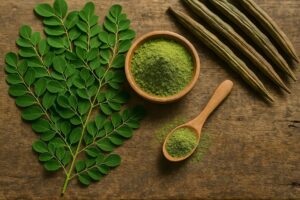
Moringa (Moringa oleifera) is a tropical tree native to northern India. Every part of the tree has been used in traditional Ayurvedic medicine for over 4,000 years. The leaves are the primary food product and the most nutritionally dense part of the plant. Moringa has gained significant attention in nutritional science over the past decade, and the research supports the traditional claims.
The nutritional density of moringa leaves is unusual. Gram for gram, dried moringa leaves contain 7 times the vitamin C of oranges, 4 times the calcium of milk, 4 times the vitamin A of carrots, 3 times the potassium of bananas, and 2 times the protein of yogurt. A single tablespoon of moringa powder (about 7 grams) provides 14% of your daily protein, 40% of your daily iron, and 23% of your daily vitamin A needs.
The anti-inflammatory properties of moringa come from isothiocyanates, flavonoids, and phenolic acids. These compounds inhibit NF-kB, the same inflammatory master switch targeted by curcumin in turmeric. A study published in Molecular Nutrition and Food Research found moringa leaf extract reduced inflammatory markers (CRP, interleukin-6, and TNF-alpha) in human cell cultures at concentrations achievable through dietary intake.
A 2014 randomized controlled trial published in the Journal of Food Science and Technology tested moringa leaf powder supplementation on 30 postmenopausal women for 3 months. Participants taking 7 grams of moringa powder daily showed significant increases in blood antioxidant levels, including a 44% increase in retinol (vitamin A), a 30% increase in ascorbic acid (vitamin C), and a significant reduction in malondialdehyde, a marker of oxidative stress.
Moringa shows promise for blood sugar regulation. A study published in the International Journal of Food Sciences and Nutrition found that adding 50 grams of fresh moringa leaves to a meal reduced the post-meal blood glucose rise by 21% in participants with type 2 diabetes. The mechanism involves isothiocyanates slowing carbohydrate absorption in the gut and improving insulin signaling in peripheral tissues.
The protein quality in moringa is notable for a plant source. Moringa leaves contain all 9 essential amino acids, making the plant a complete protein. The protein digestibility-corrected amino acid score (PDCAAS) is lower than animal proteins but higher than most plant sources. For vegans and vegetarians seeking protein diversity, moringa adds a complete amino acid profile to meals that typically lack one or more essential amino acids.
How to Add Moringa to Your Diet
- Start with moringa powder, the most widely available form. Look for organic, cold-dried moringa leaf powder. Heat-dried and sun-dried varieties lose significant vitamin C and antioxidant content during processing. The powder should be bright green. Brown or yellowish powder indicates oxidation and reduced potency.
- Begin with 1 teaspoon (about 3 grams) per day. Moringa has a mild, earthy, slightly peppery flavor. Some people describe a faint bitterness similar to matcha. Start small. Your digestive system needs time to adjust to the high fiber and nutrient concentration.
- Blend moringa powder into smoothies. The flavor blends well with banana, mango, pineapple, and coconut milk. The sweetness of the fruit masks any bitterness. Add the moringa after blending to minimize heat exposure from the blender motor running at high speed for extended periods.
- Stir moringa into soups and stews at the end of cooking. Adding the powder during the last 2 minutes of cooking preserves heat-sensitive nutrients while incorporating the powder into the dish.
- Mix moringa powder into salad dressings. Whisk 1 teaspoon of moringa into an olive oil and lemon juice dressing. The healthy fat in olive oil improves absorption of moringa’s fat-soluble vitamins (A, D, E, and K).
- After 1 to 2 weeks at 1 teaspoon daily, increase to 2 teaspoons (about 6 grams). Most clinical studies showing measurable benefits used daily doses between 6 and 10 grams of moringa leaf powder.
Chia Seeds
Chia seeds (Salvia hispanica) were a staple food of the Aztec and Maya civilizations. The Aztec word “chia” means “strength.” Warriors consumed chia seeds before long marches and battles, relying on the seeds for sustained energy. After the Spanish conquest, chia cultivation declined for centuries. The crop re-emerged in the 1990s when Argentine researchers began studying the nutritional profile and confirmed what Mesoamerican cultures knew through experience.
Two tablespoons of chia seeds (about 28 grams) contain 11 grams of fiber (39% of your daily value), 4 grams of protein, 5 grams of omega-3 fatty acids (primarily alpha-linolenic acid, ALA), 18% of your daily calcium, 30% of your daily manganese, 27% of your daily phosphorus, and significant amounts of zinc, copper, and potassium. All of this comes in a 137-calorie package.
The fiber content is the most distinctive feature. Chia seeds absorb 10 to 12 times their weight in water, forming a gel-like substance. This gel slows gastric emptying, which means food moves through your stomach more slowly after a chia-containing meal. The result is a longer feeling of fullness, a slower release of glucose into your bloodstream, and improved nutrient absorption from the other foods you eat alongside the chia.
A 2017 randomized, double-blind, placebo-controlled trial published in Nutrition, Metabolism and Cardiovascular Diseases tested chia seed supplementation on 77 overweight adults with type 2 diabetes. Participants who consumed 30 grams of chia seeds daily for 6 months lost significantly more weight (1.9 kg vs. 0.3 kg), reduced their waist circumference by 3.5 cm (vs. 1.1 cm), and showed improved glycemic control compared to the control group receiving an oat bran-based placebo.
The omega-3 content of chia seeds is the highest of any plant food. Two tablespoons provide approximately 5 grams of ALA. Your body converts a small percentage of ALA into the longer-chain omega-3s EPA and DHA, the forms found in fish oil. The conversion rate is low (approximately 5 to 10% for EPA and less than 1% for DHA), so chia seeds do not replace fatty fish as a source of EPA and DHA. They do provide ALA, which has independent cardiovascular benefits. A meta-analysis published in the American Journal of Clinical Nutrition found that higher ALA intake was associated with a 14% lower risk of cardiovascular disease.
Chia seeds also contain significant levels of polyphenol antioxidants, including chlorogenic acid, caffeic acid, myricetin, and quercetin. These compounds protect the omega-3 fatty acids in the seeds from oxidation during storage and continue to provide antioxidant activity after consumption. A study in the Journal of Chromatography A found that chia seeds had an antioxidant capacity comparable to blueberries when tested using the ORAC (Oxygen Radical Absorbance Capacity) assay.
How to Add Chia Seeds to Your Diet
- Make chia pudding. Combine 3 tablespoons of chia seeds with 1 cup of milk (dairy or plant-based). Stir well. Refrigerate for at least 2 hours or overnight. The seeds absorb the liquid and form a thick, pudding-like consistency. Top with fresh berries, sliced banana, nuts, or a drizzle of honey. This is one of the simplest high-nutrient breakfasts you will find.
- Add chia seeds to oatmeal. Stir 1 tablespoon of chia seeds into your oatmeal during the last 2 minutes of cooking. The seeds absorb excess liquid and create a thicker, more satisfying texture. The combination of oat beta-glucan and chia fiber provides an exceptionally high-fiber meal.
- Blend chia seeds into smoothies. Add 1 to 2 tablespoons to any smoothie recipe. Blend for at least 30 seconds to break the seeds partially. This improves nutrient release. If you prefer the gel texture, add the seeds after blending and let the smoothie sit for 10 minutes.
- Use chia seeds as an egg substitute in baking. Mix 1 tablespoon of chia seeds with 3 tablespoons of water. Let the mixture sit for 5 minutes. The gel that forms replaces one egg in most baking recipes. This works for muffins, pancakes, and quick breads.
- Sprinkle chia seeds on salads, yogurt, and grain bowls. Raw chia seeds add a mild crunch and absorb the dressing or liquid in the bowl, creating an interesting textural contrast.
Quinoa
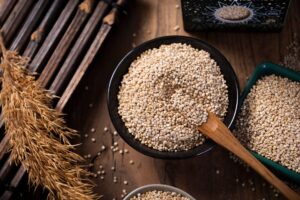
Quinoa (Chenopodium quinoa) is a pseudocereal, not a true grain. The plant belongs to the same family as spinach and beets (Amaranthaceae). The Inca civilization called quinoa “chisaya mama,” meaning “mother of all grains,” and considered the crop sacred. Quinoa thrives at high altitudes, in poor soil, and with minimal water, making the plant one of the most resilient food crops on the planet. NASA has identified quinoa as a candidate crop for long-duration space missions due to its nutritional completeness and growing versatility.
Quinoa is one of the few plant foods containing all nine essential amino acids in adequate proportions. This makes quinoa a complete protein. One cup of cooked quinoa (185 grams) provides 8 grams of protein, 5 grams of fiber, 30% of your daily magnesium, 28% of your daily phosphorus, 19% of your daily folate, 15% of your daily iron, and 13% of your daily zinc. The calorie count is 222 per cup, comparable to brown rice but with a significantly richer micronutrient profile.
The protein quality of quinoa deserves specific attention. The amino acid profile of quinoa is remarkably close to the ideal protein pattern defined by the Food and Agriculture Organization (FAO) of the United Nations. Quinoa is particularly high in lysine, an amino acid deficient in most cereal grains (wheat, rice, corn). Lysine plays a critical role in calcium absorption, collagen synthesis, and immune function. For people who eat little or no animal protein, quinoa fills a nutritional gap that rice and wheat do not.
Quinoa contains unique bioactive compounds. The saponins coating the seed (which create a bitter taste if not rinsed) have documented anti-inflammatory, anticancer, and cholesterol-lowering properties when consumed in the small amounts remaining after washing. A study published in Food Chemistry identified over 20 distinct saponins in quinoa with demonstrated biological activity. The flavonoids quercetin and kaempferol are present in quinoa at concentrations exceeding those in many common fruits and vegetables. Quercetin levels in quinoa leaves reach 35 to 86 mg per gram of dry weight, among the highest documented in any food source.
A 2017 study published in the Journal of Medicinal Food tested quinoa consumption in 35 overweight women for 4 weeks. Participants ate 25 grams of quinoa flakes before breakfast daily. After 4 weeks, the quinoa group showed significantly reduced serum triglyceride levels and lower body mass index compared to baseline. Total cholesterol and LDL cholesterol also decreased, though the changes did not reach statistical significance in this small study.
Quinoa’s glycemic index varies by type. White quinoa has a GI of approximately 53. Red quinoa scores slightly lower at 49. Black quinoa scores the lowest at approximately 35. All three varieties fall in the low-to-medium glycemic range, making quinoa a better choice than white rice (GI 73) or white bread (GI 75) for blood sugar management. The combination of protein, fiber, and complex carbohydrates in quinoa creates a sustained energy release without the blood sugar spike and crash produced by refined grains.
How to Cook and Eat Quinoa
- Rinse quinoa thoroughly before cooking. Place the dry quinoa in a fine mesh strainer and rinse under cold running water for 30 to 60 seconds, rubbing the seeds between your fingers. This removes the saponin coating that creates a bitter, soapy taste. Most commercially packaged quinoa is pre-rinsed, but rinsing again ensures complete saponin removal.
- Cook quinoa using a 1:2 ratio of quinoa to water. Combine 1 cup of rinsed quinoa with 2 cups of water in a saucepan. Bring to a boil. Reduce heat to low. Cover. Simmer for 15 minutes. Remove from heat and let the pot sit, covered, for 5 minutes. Fluff with a fork. This method produces perfectly cooked quinoa every time. The tiny spiral germ separates from the seed when the quinoa is done, creating a visible indicator of doneness.
- Use quinoa as a rice substitute. Serve quinoa alongside stir-fries, curries, stews, and grilled proteins. The neutral, slightly nutty flavor pairs with nearly any cuisine. Replace white rice in any meal for an immediate improvement in protein, fiber, and micronutrient content.
- Build grain bowls with quinoa as the base. Layer cooked quinoa with roasted vegetables, a protein source (chicken, fish, beans, or tofu), a sauce or dressing, and fresh greens. These bowls are nutritionally complete meals requiring minimal cooking skill.
- Add quinoa to salads. Cooked and cooled quinoa works well in Mediterranean, Mexican, and Asian-inspired salads. The seeds absorb dressing flavors while maintaining a slight crunch. Prepare a large batch on Sunday and use the quinoa in salads throughout the week.
- Use quinoa flour for gluten-free baking. Quinoa flour replaces wheat flour in pancakes, muffins, and flatbreads. The flour adds a slightly earthy flavor and a significantly higher protein content than standard gluten-free flours. Start by substituting 25% of the wheat flour in a recipe with quinoa flour and increase as you adjust to the flavor.
Blueberries
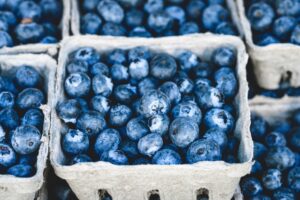
Blueberries are the most studied fruit in nutritional neuroscience. The brain health benefits of blueberries have been tested in over 40 clinical trials and hundreds of preclinical studies. The evidence is strong enough that blueberries appear in dietary guidelines from the Alzheimer’s Association and the American Heart Association specifically for cognitive and cardiovascular protection.
The active compounds are anthocyanins, the pigments giving blueberries their deep blue-purple color. Blueberries contain 25 distinct anthocyanins at concentrations of 25 to 495 mg per 100 grams, depending on variety and growing conditions. Wild blueberries contain roughly twice the anthocyanin concentration of cultivated varieties.
Anthocyanins cross the blood-brain barrier, a property that sets blueberries apart from most dietary antioxidants. Once inside the brain, anthocyanins accumulate in regions responsible for learning and memory, particularly the hippocampus. A study at Tufts University using neuroimaging found anthocyanin metabolites concentrated in the hippocampus, cortex, and cerebellum of animals fed blueberry-supplemented diets.
The most cited human trial on blueberries and brain health was published in the Annals of Neurology. Researchers analyzed data from the Nurses’ Health Study, tracking 16,010 women aged 70 and older. Those who consumed blueberries at least twice per week showed delayed cognitive aging by up to 2.5 years compared to women who consumed blueberries rarely or never. The effect was specific to blueberries and strawberries (both high in anthocyanins) and was not replicated by other fruits.
A 2017 randomized controlled trial published in the European Journal of Nutrition tested daily blueberry consumption in 40 healthy adults aged 65 to 80. Participants consumed 30 mL of concentrated blueberry juice (equivalent to approximately 230 grams of fresh blueberries) daily for 12 weeks. The blueberry group showed significant improvements in brain blood flow, working memory, and task-switching ability compared to the placebo group. Brain MRI scans confirmed increased activity in brain regions associated with cognitive function.
Blueberries also improve cardiovascular health. A 2019 study published in the American Journal of Clinical Nutrition tested daily blueberry consumption on 138 overweight and obese adults with metabolic syndrome. Those who ate 1 cup (150 grams) of blueberries daily for 6 months showed a 12 to 15% improvement in blood vessel function, a 5 mmHg reduction in systolic blood pressure, and a significant increase in HDL cholesterol. The half-cup group (75 grams daily) showed less consistent improvements, suggesting a dose-response relationship favoring 1 cup daily.
The fiber content of blueberries supports gut health. One cup provides 3.6 grams of fiber. The polyphenols in blueberries also function as prebiotics, selectively feeding beneficial gut bacteria. A study published in the Journal of Agricultural and Food Chemistry found blueberry polyphenols increased Bifidobacterium populations in the gut, a genus of bacteria associated with improved immune function and reduced inflammation.
How to Eat More Blueberries
- Eat 1 cup of fresh or frozen blueberries daily. This is the dose used in the cardiovascular study showing the strongest results. Fresh and frozen blueberries contain comparable nutrient levels. Freezing blueberries within hours of harvest preserves anthocyanin content. Frozen berries are often more nutrient-dense than “fresh” berries that have spent days in transit and on store shelves.
- Add blueberries to your morning oatmeal. Drop a handful of fresh or frozen blueberries into your oatmeal during the last 2 minutes of cooking. The berries soften and release their juice, creating a natural sweetener. This combination of oat beta-glucan and blueberry anthocyanins targets both cardiovascular and cognitive health in a single bowl.
- Blend blueberries into smoothies. Frozen blueberries create thick, cold smoothies without needing additional ice. Combine 1 cup of frozen blueberries with banana, spinach, and your choice of milk for a nutrient-dense breakfast drink.
- Eat blueberries as a standalone snack. Keep a bowl of washed blueberries in the front of your refrigerator. Visibility drives consumption. When berries are the first thing you see upon opening the fridge, they become the default snack choice.
- Choose wild blueberries when available. Wild blueberries (Vaccinium angustifolium) are smaller, more intensely colored, and contain approximately twice the anthocyanin concentration of cultivated blueberries (Vaccinium corymbosum). Frozen wild blueberries are available year-round at most grocery stores. The higher anthocyanin content per gram makes wild blueberries a more efficient delivery system for the brain-active compounds.
Turmeric
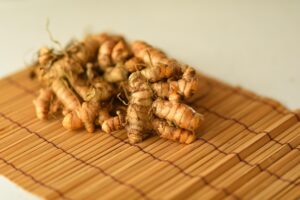
Turmeric (Curcuma longa) has appeared in previous guides on this site for good reason. Over 14,000 peer-reviewed papers have studied curcumin, the primary bioactive compound in turmeric. No other dietary compound has received this level of scientific scrutiny.
Curcumin’s primary mechanism is anti-inflammatory. The compound inhibits NF-kB, the transcription factor controlling the expression of over 500 genes involved in inflammation, immune response, and cell survival. Chronic, low-grade inflammation underlies the development of cardiovascular disease, type 2 diabetes, neurodegenerative diseases, and certain cancers. By interrupting the NF-kB pathway, curcumin addresses inflammation at its molecular origin rather than treating symptoms downstream.
A 2014 study in Clinical Interventions in Aging compared curcumin to ibuprofen for knee osteoarthritis pain. Participants took either 1,500 mg of curcumin or 1,200 mg of ibuprofen daily for 4 weeks. Both groups reported equivalent pain reduction and improved joint function. The curcumin group experienced fewer gastrointestinal side effects than the ibuprofen group.
For brain health, curcumin increases Brain-Derived Neurotrophic Factor (BDNF), a protein essential for neuron growth, synaptic plasticity, and memory consolidation. Low BDNF levels are observed in patients with depression, Alzheimer’s disease, and age-related cognitive decline. A 2018 study published in the American Journal of Geriatric Psychiatry tested curcumin supplementation (90 mg twice daily) on 40 non-demented adults aged 51 to 84 for 18 months. PET brain scans showed the curcumin group had significantly less amyloid and tau accumulation in the amygdala and hypothalamus compared to placebo. Amyloid plaques and tau tangles are the hallmark pathological features of Alzheimer’s disease. The curcumin group also showed significant improvements in memory and attention.
Curcumin has demonstrated antidepressant effects comparable to pharmaceutical treatment. A 2014 study published in Phytotherapy Research compared curcumin (1,000 mg daily) to fluoxetine (Prozac, 20 mg daily) in 60 patients with major depressive disorder. After 6 weeks, both treatments produced similar response rates: 62.5% for curcumin, 64.7% for fluoxetine, and 77.8% for the combination. The study was small but suggested curcumin as a viable adjunct to antidepressant therapy.
The absorption problem with curcumin is well documented. Your liver rapidly metabolizes curcumin and eliminates the compound before the body absorbs significant quantities. Two proven strategies increase absorption. Piperine, the active compound in black pepper, inhibits the liver enzyme (UGT) that breaks down curcumin. A study in Planta Medica found piperine increased curcumin bioavailability by 2,000%. Consuming curcumin with fat also improves absorption. Curcumin is fat-soluble. Cooking turmeric in oil or consuming turmeric with a fat-containing meal increases the amount that enters your bloodstream.
How to Maximize Turmeric in Your Diet
- Cook with turmeric, black pepper, and oil together. This combination delivers curcumin in the most bioavailable form achievable through food. Add 1 teaspoon of turmeric, a generous pinch of black pepper, and olive oil or coconut oil to scrambled eggs, roasted vegetables, rice, soups, and curries. Make this combination a daily habit rather than an occasional addition.
- Make golden milk. Heat 1 cup of full-fat milk or coconut milk. Add 1 teaspoon of turmeric, 1/2 teaspoon of cinnamon, a pinch of black pepper, and 1/2 teaspoon of coconut oil or ghee. Whisk until combined. Add honey to taste after the mixture cools slightly. Drink in the evening. The warm milk and cinnamon promote relaxation while the turmeric-pepper-fat combination maximizes curcumin absorption.
- Add turmeric to salad dressings. Whisk 1/2 teaspoon of turmeric into a vinaigrette made with olive oil, lemon juice, and black pepper. The oil provides the fat source. The pepper provides the piperine. The dressing coats your salad greens, delivering curcumin alongside the vitamins in the vegetables.
- Blend turmeric into smoothies. Add 1/2 to 1 teaspoon of turmeric, a pinch of black pepper, and a fat source (avocado, coconut milk, or nut butter) to fruit smoothies. The fruit masks the earthy flavor of turmeric. Mango, pineapple, and banana work particularly well.

Seaweed
Seaweed is the most nutritionally undervalued food in Western diets. In Japan, Korea, China, and coastal Southeast Asian countries, seaweed consumption averages 5 to 10 grams per day. In the United States and Europe, average daily intake is less than 1 gram. This dietary gap aligns with a corresponding gap in several micronutrient levels, most notably iodine.
Iodine is critical for thyroid function. Your thyroid gland uses iodine to produce triiodothyronine (T3) and thyroxine (T4), the hormones regulating your metabolic rate, body temperature, heart rate, and brain development. The WHO estimates that 2 billion people worldwide have insufficient iodine intake. In the U.S., iodine status has declined by more than 50% over the past 40 years, according to National Health and Nutrition Examination Survey (NHANES) data. The shift away from iodized salt and toward sea salt, Himalayan salt, and kosher salt (none of which contain added iodine) has contributed to this decline.
Seaweed is the most concentrated natural source of iodine. The iodine content varies dramatically by species. Kelp (kombu) contains 1,500 to 8,000 mcg of iodine per gram. Wakame contains 35 to 140 mcg per gram. Nori contains 16 to 43 mcg per gram. The recommended daily iodine intake for adults is 150 mcg. A single sheet of nori provides approximately 25 to 40 mcg. A small piece of kombu in your soup broth provides your entire daily requirement several times over.
Beyond iodine, seaweed delivers minerals rarely found in adequate amounts in terrestrial plant foods. Seaweed provides calcium, magnesium, iron, zinc, manganese, copper, selenium, and vanadium. Brown seaweeds (kelp, wakame, hijiki) contain fucoidans, sulfated polysaccharides with documented anti-inflammatory, antiviral, anticoagulant, and anticancer properties. A review published in Marine Drugs analyzed 100 studies on fucoidans and concluded the compounds show “significant biological activities relevant to human health.”
Seaweed provides unique fibers not found in land plants. Alginate, carrageenan, and agar are soluble fibers that form gels in your gut, slowing digestion and promoting beneficial bacterial growth. A study published in the British Journal of Nutrition found that adding alginate (from brown seaweed) to a meal reduced caloric intake by 7% and decreased fat absorption by 75%. The alginate gel trapped fat molecules in the gut, preventing their absorption through the intestinal wall.
A 2019 study published in Nutrients analyzed dietary data from 2,108 Korean adults. Those with the highest seaweed consumption had significantly lower rates of metabolic syndrome, lower blood pressure, lower triglycerides, and higher HDL cholesterol compared to those who consumed the least seaweed. The relationship held after adjusting for other dietary factors, physical activity, smoking, and alcohol consumption.
How to Add Seaweed to Your Diet
- Start with nori. Nori is the mildest-flavored and most accessible seaweed. You already know nori as the dark green wrapper on sushi rolls. Buy roasted nori sheets and eat them as a snack. Crumble nori sheets over rice bowls, salads, soups, and avocado toast. Nori has a savory, umami flavor that enhances almost any dish. A 5-gram package of nori snacks provides approximately 20 to 30 mcg of iodine, a meaningful contribution without the risk of excess iodine from high-concentration varieties.
- Add wakame to soups and salads. Wakame is the seaweed in traditional miso soup. Buy dried wakame and rehydrate a small handful in warm water for 5 minutes. Add the softened wakame to miso soup, ramen, or any broth-based soup. Wakame also works in cold salads dressed with rice vinegar, sesame oil, and soy sauce.
- Use kombu to flavor cooking liquid. Place a 2-inch strip of dried kombu in the water when cooking rice, beans, or stock. The kombu releases glutamate (natural MSG), iodine, and minerals into the cooking liquid. Remove the kombu before serving or chop the softened seaweed finely and stir the pieces back into the dish. This method adds iodine and umami to your meals without a detectable “seaweed” flavor.
- Sprinkle seaweed flakes or furikake on meals. Japanese grocery stores and many mainstream stores sell seaweed seasoning blends (furikake) containing nori, sesame seeds, and salt. Sprinkle furikake on rice, popcorn, eggs, and steamed vegetables for a mineral-rich seasoning.
- Try dulse. Dulse (Palmaria palmata) is a red seaweed with a surprisingly meaty, bacon-like flavor when pan-fried in oil. Dried dulse flakes add a savory, salty taste to baked potatoes, pasta dishes, and grain bowls. Dulse provides iron, potassium, and vitamin B6 in addition to iodine.
Avocado
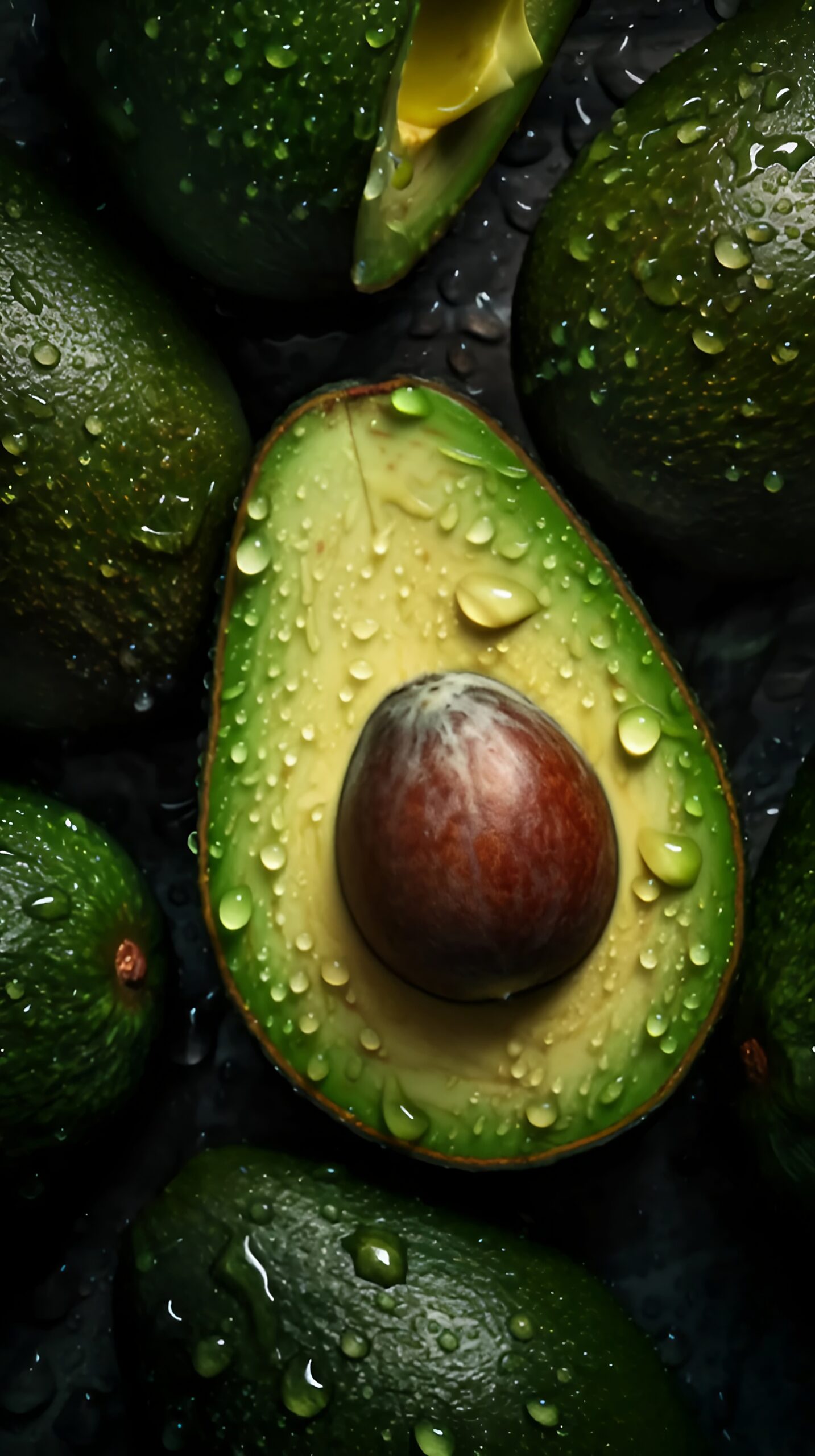
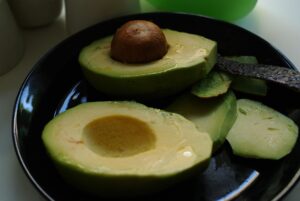
Avocado (Persea americana) has moved from niche ingredient to dietary staple over the past two decades. U.S. avocado consumption has tripled since 2001. The popularity is justified by the nutritional profile, which is unusual among fruits. Avocados are composed primarily of fat (77% of calories), with minimal sugar, placing them in a unique dietary category.
The fat in avocado is predominantly oleic acid, a monounsaturated fatty acid (MUFA) also found in olive oil. Oleic acid reduces LDL cholesterol, increases HDL cholesterol, and improves insulin sensitivity. One medium avocado (200 grams) provides approximately 29 grams of fat, 20 grams of which are monounsaturated. A meta-analysis published in the Journal of the American Heart Association reviewed 10 studies involving 229 participants and found that substituting avocado for other fat sources significantly reduced total cholesterol, LDL cholesterol, and triglycerides without affecting HDL cholesterol.
Avocados improve the absorption of fat-soluble nutrients from other foods you eat in the same meal. Vitamins A, D, E, and K, along with carotenoid antioxidants (beta-carotene, lycopene, lutein), require dietary fat for absorption through the intestinal wall. A study published in the Journal of Nutrition found that adding avocado to a salad containing tomatoes, carrots, and spinach increased carotenoid absorption by 200 to 400% compared to eating the same salad without avocado. Half an avocado turned a nutritious salad into a significantly more nutritious salad by enabling your body to absorb the nutrients already present.
The fiber content of avocados is often overlooked. One medium avocado provides 13.5 grams of fiber, approximately 54% of the daily recommended intake. Roughly 70% of this fiber is insoluble fiber, which adds bulk to stool and promotes regular bowel movements. The remaining 30% is soluble fiber, which feeds beneficial gut bacteria and produces short-chain fatty acids that nourish the cells lining your colon.
A 2021 randomized controlled trial published in the Journal of Nutrition tested daily avocado consumption on 163 overweight adults for 12 weeks. Participants eating one avocado per day showed significant changes in their gut microbiome composition. The avocado group had greater abundance of fiber-degrading bacteria (Faecalibacterium, Lachnospira, and Alistipes) and lower concentrations of bile acids in their stool, indicating improved fat metabolism and gut health.
Avocados contain more potassium than bananas. One medium avocado provides 975 mg of potassium (28% of daily value) compared to 422 mg in a medium banana. Potassium counteracts the blood-pressure-raising effects of sodium. A meta-analysis published in the BMJ found that higher potassium intake was associated with a 24% lower risk of stroke. Most Americans consume only 50 to 60% of the recommended daily potassium intake. Adding one avocado per day closes a significant portion of this gap.
How to Eat More Avocado
- Eat half an avocado with meals rather than as a standalone snack. Pairing avocado with other foods maximizes the fat-soluble nutrient absorption enhancement. Add sliced avocado to salads, grain bowls, tacos, sandwiches, and scrambled eggs.
- Use mashed avocado as a spread in place of butter or mayonnaise. Mash a ripe avocado with a fork, add a pinch of salt and a squeeze of lime, and spread on toast or sandwiches. This substitution replaces saturated fat with monounsaturated fat while adding fiber, potassium, and folate.
- Blend avocado into smoothies for a creamy texture. Half an avocado replaces banana as the smoothie thickener for people reducing sugar intake. The fat content creates a satisfying, milkshake-like consistency. Combine avocado with cocoa powder, a frozen banana, and milk for a chocolate smoothie with a hidden serving of healthy fat.
- Make guacamole at home. Mash 2 ripe avocados with diced tomato, red onion, cilantro, lime juice, salt, and a minced jalapeño. Eat with raw vegetables (bell pepper strips, celery, carrots) instead of chips for a lower-calorie delivery method that adds additional vitamins to the meal.
- Store unused avocado halves with the pit in, covered tightly in plastic wrap, in the refrigerator. The pit and wrap slow oxidation (the browning process). Squeeze a thin layer of lime or lemon juice on the exposed flesh before wrapping. The citric acid further inhibits enzymatic browning. Stored this way, a cut avocado lasts 1 to 2 days.
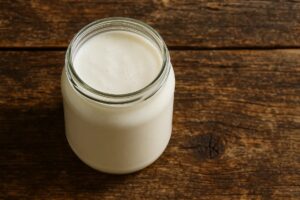
Kefir
Kefir is a fermented milk drink originating from the Caucasus Mountains of Eastern Europe. The name comes from the Turkish word “keyif,” meaning “feeling good.” Traditional kefir is made by adding kefir grains (a symbiotic colony of bacteria and yeasts) to cow, goat, or sheep milk. The grains ferment the milk over 24 to 48 hours, producing a tangy, slightly effervescent drink with a consistency between milk and yogurt.
Kefir contains a broader diversity of probiotic organisms than any other fermented food. While yogurt typically contains 2 to 7 bacterial strains, kefir contains 30 to 50 distinct species of bacteria and yeasts. A study published in the Brazilian Journal of Microbiology identified over 60 microbial species in traditional kefir grains, including multiple strains of Lactobacillus, Lactococcus, Leuconostoc, Acetobacter, and the yeast species Saccharomyces and Kluyveromyces. This microbial diversity gives kefir a broader spectrum of probiotic activity than any single-strain supplement.
Several of the bacterial strains in kefir are unique to this fermented food. Lactobacillus kefiri and Lactobacillus kefiranofaciens are not found in yogurt, cheese, or other fermented foods. These species produce kefiran, a polysaccharide with documented anti-inflammatory, antimicrobial, and immune-modulating properties. A study in the journal Carbohydrate Polymers found kefiran reduced blood pressure and cholesterol levels in animal models at concentrations achievable through daily kefir consumption.
The probiotic effect of kefir on gut health has been tested in human trials. A randomized controlled trial published in the Journal of the American Dietetic Association tested kefir consumption in 75 adults with lactose maldigestion (the inability to digest lactose, the sugar in milk). Participants who consumed kefir showed a 54 to 71% reduction in flatulence, the primary symptom of lactose maldigestion. The live bacteria in kefir produce beta-galactosidase, an enzyme that breaks down lactose before the sugar reaches the large intestine where undigested lactose causes gas and bloating. People who avoid dairy due to lactose intolerance often tolerate kefir well.
Kefir supports bone health through a unique mechanism. The fermentation process increases the bioavailability of calcium and phosphorus in the milk. A study published in Osteoporosis International tested kefir consumption on 40 osteoporosis patients for 6 months. The kefir group showed significant improvement in bone mineral density and bone formation markers (serum osteocalcin) compared to the calcium supplement group. The researchers attributed the effect to the improved mineral absorption and the anti-inflammatory action of kefiran on bone remodeling cells.
Kefir also contains significant amounts of vitamin K2 (menaquinone), produced by the bacteria during fermentation. Vitamin K2 directs calcium into bones and teeth and away from soft tissues and arteries. Low K2 intake is associated with both osteoporosis and arterial calcification. Kefir provides K2 in a food matrix that simultaneously delivers the calcium the K2 directs.
How to Add Kefir to Your Diet
- Drink 1 cup (240 mL) of plain kefir daily. Choose unsweetened, full-fat kefir. Flavored kefir products often contain 15 to 25 grams of added sugar per serving, which feeds less beneficial gut bacteria and counteracts the probiotic benefit. The tartness of plain kefir is mild and similar to buttermilk. If the taste is too strong at first, mix kefir with a small amount of honey or blend with fresh fruit.
- Use kefir as the liquid base in smoothies. Replace milk or yogurt with kefir for a probiotic-rich smoothie. Blend 1 cup of kefir with frozen berries, a banana, and a tablespoon of nut butter. The kefir provides the creaminess while delivering 12 to 15 grams of protein and 30 to 50 probiotic strains per serving.
- Pour kefir over granola or oats. Use kefir instead of milk on cereal or overnight oats. The probiotic bacteria survive in the cold oat mixture and enter your gut alive. Prepare overnight oats by combining 1/2 cup of rolled oats with 1/2 cup of kefir and 1/4 cup of milk. Refrigerate overnight. Top with fruit and nuts in the morning.
- Make kefir salad dressing. Blend 1/2 cup of kefir with fresh herbs (dill, parsley, chives), garlic, lemon juice, and salt. This creates a creamy, probiotic-rich dressing for green salads, grain bowls, and roasted vegetables. The dressing delivers live bacteria with every serving of vegetables.
- Consider making kefir at home. Kefir grains are available online and at health food stores. Add 1 tablespoon of kefir grains to 2 cups of whole milk. Cover loosely. Leave at room temperature for 24 hours. Strain out the grains (they are reusable indefinitely). The strained liquid is kefir. Homemade kefir contains a higher diversity of living organisms than commercial kefir, which is often pasteurized after fermentation.
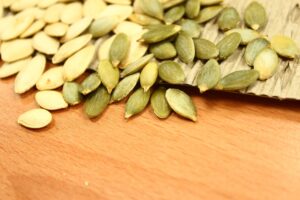
Pumpkin Seeds
Pumpkin seeds (pepitas) are one of the most mineral-dense foods available. A single ounce (28 grams, approximately 85 seeds) delivers 37% of your daily magnesium, 23% of your daily zinc, 33% of your daily phosphorus, 42% of your daily manganese, and 14% of your daily iron. This mineral density is exceptional for a food that most people discard when carving pumpkins.
Magnesium is the standout nutrient. An estimated 50 to 80% of Americans consume less than the recommended daily amount of magnesium, according to research published in the journal Nutrients. Magnesium is involved in over 300 enzymatic reactions in your body. The mineral plays critical roles in muscle contraction, nerve transmission, blood sugar regulation, blood pressure control, protein synthesis, and energy production. Low magnesium levels are associated with increased risk of type 2 diabetes, cardiovascular disease, osteoporosis, migraines, anxiety, and insomnia.
A study published in the Journal of the American College of Nutrition found that magnesium supplementation improved sleep quality in elderly adults with insomnia. Participants who took magnesium for 8 weeks fell asleep faster, slept longer, and had higher serum melatonin levels compared to the placebo group. One ounce of pumpkin seeds provides 156 mg of magnesium, roughly 37% of the daily recommended intake for men (420 mg) and 49% for women (320 mg).
The zinc content of pumpkin seeds supports immune function and prostate health. Zinc is essential for T-cell development, antibody production, and wound healing. A study published in the American Journal of Clinical Nutrition found that zinc supplementation reduced the duration of common cold symptoms by 33%. For men specifically, the prostate gland contains one of the highest concentrations of zinc in the body. Low zinc levels are associated with prostate enlargement (benign prostatic hyperplasia, BPH). A study published in Urologia Internationalis found that pumpkin seed oil supplementation improved urinary symptoms in 47 men with BPH over 12 months.
Pumpkin seeds contain phytosterols, plant compounds structurally similar to cholesterol that compete with cholesterol for absorption in the gut. A review published in the European Journal of Clinical Nutrition found that consuming 2 to 3 grams of phytosterols daily reduced LDL cholesterol by 6 to 15%. Pumpkin seeds are among the richest food sources of phytosterols, providing approximately 265 mg per 100 grams.
The tryptophan content of pumpkin seeds supports serotonin production. Tryptophan is an essential amino acid and the precursor to serotonin, the neurotransmitter regulating mood, sleep, and appetite. Your body converts tryptophan to serotonin in the gut and brain. A study published in Nutritional Neuroscience found that consuming tryptophan-rich foods improved sleep quality and reduced anxiety in participants with chronic insomnia. One ounce of pumpkin seeds provides approximately 164 mg of tryptophan.
How to Eat More Pumpkin Seeds
- Eat a 1-ounce handful (about 85 seeds) as a daily snack. Raw or lightly roasted pumpkin seeds work equally well. Raw seeds retain slightly more heat-sensitive nutrients. Roasted seeds develop a nuttier flavor and crunchier texture. If you roast at home, keep the temperature below 170°C (340°F) for 15 to 20 minutes. Higher temperatures degrade the polyunsaturated fatty acids in the seeds.
- Sprinkle pumpkin seeds on salads and grain bowls. The seeds add a satisfying crunch and deliver minerals that most salad ingredients lack. The combination of pumpkin seeds (magnesium, zinc) with leafy greens (calcium, folate, vitamin K) creates a mineral-rich meal.
- Add pumpkin seeds to oatmeal and yogurt. Stir a tablespoon of raw pumpkin seeds into your morning oatmeal or sprinkle on yogurt. The seeds add protein and healthy fat to an otherwise carbohydrate-dominant breakfast, improving satiety and creating a more balanced macronutrient profile.
- Blend pumpkin seeds into smoothies. Add 1 tablespoon of raw pumpkin seeds to your smoothie and blend thoroughly. The seeds create a creamier texture and add 5 grams of protein per tablespoon.
- Make pumpkin seed butter. Process 2 cups of roasted pumpkin seeds in a food processor for 8 to 12 minutes, scraping the sides periodically. The seeds release their oils and form a smooth, spreadable butter. Add a pinch of salt. Use pumpkin seed butter on toast, in oatmeal, or as a dip for apple slices. Pumpkin seed butter provides a nut-free alternative for people with tree nut allergies.
- Use pumpkin seed oil as a finishing oil. Cold-pressed pumpkin seed oil has a deep green color and a rich, nutty flavor. Drizzle the oil over soups, salads, and roasted vegetables after cooking. Do not heat pumpkin seed oil. The delicate polyunsaturated fats oxidize at low temperatures. Use the oil as a raw finishing element.

Matcha
Matcha is a concentrated form of green tea. The difference lies in cultivation and processing. Three to four weeks before harvest, farmers cover the tea plants with shade screens, blocking 80 to 90% of direct sunlight. This forced shading triggers a physiological stress response in the plant. The tea leaves overproduce chlorophyll (creating the vivid green color), L-theanine, and catechins in an attempt to capture the limited light more efficiently. After harvest, the leaves are steamed, dried, deveined, and stone-ground into an ultrafine powder.
When you drink brewed green tea, you steep the leaves and discard them. You consume only the water-soluble compounds that leach into the liquid during steeping. When you drink matcha, you consume the entire ground leaf. This means you ingest the full concentration of fat-soluble and water-soluble compounds, including chlorophyll, fiber, and nutrients that remain trapped in discarded tea leaves.
A study published in the Journal of Chromatography A measured the catechin concentration of matcha compared to standard brewed green tea. Matcha contained 137 times the epigallocatechin gallate (EGCG) of a standard Chinese green tea and at least 3 times the EGCG of the highest-quality loose-leaf green teas tested. EGCG is the primary catechin responsible for green tea’s documented cardiovascular, metabolic, and neuroprotective effects. Drinking one cup of matcha provides the antioxidant equivalent of approximately 10 cups of standard brewed green tea.
The L-theanine concentration in matcha is 5 times higher than in standard green tea, a direct result of the shading process. L-theanine is the amino acid crossing the blood-brain barrier and increasing alpha brain wave activity. Alpha waves are associated with calm alertness, the mental state between drowsiness and anxious hyperarousal. A study published in the journal Nutritional Neuroscience found that L-theanine reduced stress-related beta wave activity and increased relaxation-related alpha wave activity within 40 minutes of consumption.
The combination of L-theanine and caffeine in matcha produces a cognitive effect distinct from coffee. Matcha contains approximately 70 mg of caffeine per serving (compared to 95 mg in coffee). The L-theanine modulates the stimulant effect of caffeine, creating sustained focus without jitteriness, anxiety, or the afternoon crash that coffee produces. A 2017 study published in Food Research International tested matcha consumption on cognitive performance and mood. Participants who consumed matcha showed improved attention, reaction time, and memory performance compared to placebo. The effects were dose-dependent, with stronger effects at higher matcha concentrations.
Matcha supports fat metabolism through thermogenesis. A study published in the American Journal of Clinical Nutrition found that consuming green tea extract (equivalent to 3 to 4 cups of brewed tea) increased fat oxidation by 17% during moderate-intensity exercise. Given that matcha delivers catechins at 3 to 137 times the concentration of brewed green tea, a single cup of matcha provides a meaningful thermogenic stimulus.
The chlorophyll content of matcha is the highest of any common food. Chlorophyll is a mild chelating agent, binding to heavy metals and certain toxins in the gut and reducing their absorption. A study in the journal Environmental and Molecular Mutagenesis found chlorophyll and chlorophyllin reduced the absorption of dietary aflatoxin (a carcinogenic mold toxin) by 55% in human participants. The protective effect occurred in the gut, before the toxin entered the bloodstream.
How to Prepare and Drink Matcha
- Buy ceremonial-grade matcha for drinking. Culinary-grade matcha is intended for baking and cooking and has a more bitter, less refined flavor. Ceremonial grade is made from the youngest, topmost tea leaves and produces a smoother, sweeter cup. The color should be vibrant, bright green. Dull olive or yellowish matcha indicates lower quality, older leaves, or improper storage.
- Use the proper water temperature. Heat water to 175°F (80°C). Boiling water scorches the tea particles and creates a harsh, bitter taste. If you do not have a thermometer, bring water to a boil and let the water cool for 3 to 4 minutes.
- Sift 1 to 2 teaspoons of matcha powder through a fine mesh strainer into a cup or bowl. Matcha clumps easily. Sifting eliminates lumps and produces a smoother drink.
- Add 2 ounces of hot water (175°F). Whisk vigorously with a bamboo matcha whisk (chasen) or a small electric milk frother. Whisk in a zigzag “W” or “M” pattern for 15 to 30 seconds until a smooth, frothy layer forms on the surface. The froth indicates proper dispersion of the tea particles.
- For a matcha latte, add 6 to 8 ounces of steamed milk (dairy or oat milk works well) to the whisked matcha concentrate. Add a small amount of honey or maple syrup if desired. The milk fat improves absorption of the fat-soluble catechins.
- Drink matcha in the morning or early afternoon. The caffeine content (70 mg per serving) disrupts sleep if consumed after 2 PM for most people. Drink matcha on an empty stomach or with a light breakfast. The L-theanine content prevents the jittery feeling that caffeine on an empty stomach sometimes causes with coffee.
One Serving of Matcha (2 grams) Provides
- EGCG: 60 to 134 mg (depending on grade and origin)
- L-theanine: 14 to 24 mg
- Caffeine: 60 to 70 mg
- Catechins (total): 100 to 200 mg
- Chlorophyll: 10 to 15 mg
- Fiber: 385 mg
- Vitamin C: 1.75 mg
- Iron: 0.34 mg
- Potassium: 54 mg
- Calories: 5
Build Your Superfood Strategy
Ten foods are on this list. You do not need to buy all ten this week. Pick three that align with your current health priorities and the foods you already enjoy eating.
For brain health and cognitive performance: Blueberries (daily) + matcha (morning) + turmeric with black pepper (in cooking). These three foods deliver anthocyanins, EGCG, L-theanine, and curcumin, four compounds with documented effects on memory, focus, and neuroprotection.
For gut health and digestion: Kefir (daily) + chia seeds (in oatmeal or smoothies) + seaweed (as a seasoning or snack). This combination provides 30 to 50 probiotic strains, prebiotic fiber, and unique marine polysaccharides that diversify your gut microbiome.
For heart health and metabolic support: Avocado (half daily) + quinoa (as a grain base) + pumpkin seeds (as a snack). This trio delivers monounsaturated fat, plant protein, magnesium, potassium, and phytosterols targeting blood pressure, cholesterol, and blood sugar regulation.
For comprehensive nutrient density: Moringa (in smoothies) + chia seeds (in oatmeal) + blueberries (as a snack). These three foods cover the widest range of vitamins, minerals, antioxidants, and fiber per calorie of any combination on this list.
The key principle remains consistency. One serving of blueberries produces no measurable change. One serving of blueberries every day for 12 weeks produces documented improvements in brain function and cardiovascular markers. The same principle applies to every food on this list. Choose your three foods. Eat them daily. Evaluate after 8 weeks.
Your diet does not need to be perfect. Adding a few nutrient-dense foods to the meals you already eat creates a meaningful shift in your nutritional intake without requiring a complete dietary overhaul. Start where you are. Improve from there.


 Admin
Admin