 Admin
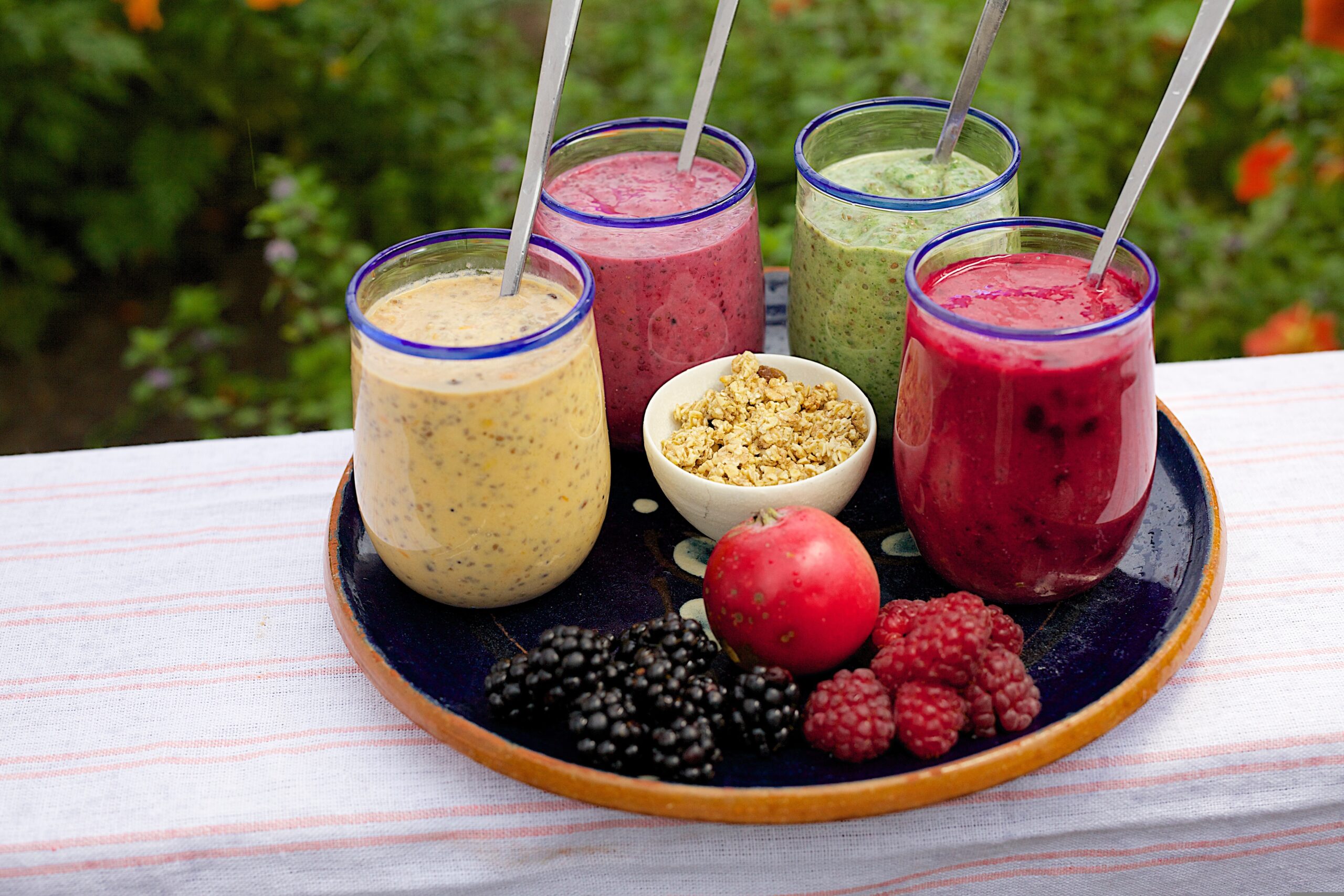
AdminEight smoothie recipes built around the specific nutrients your immune system needs most in each season. Every ingredient earns its place with documented evidence. Every recipe takes under five minutes.
Your immune system does not operate in isolation. The food you eat determines how effectively your body produces white blood cells, generates antibodies, repairs damaged tissue, and fights infections. Specific vitamins, minerals, and phytochemicals play defined roles in this process. Vitamin C stimulates the production and function of neutrophils and lymphocytes. Zinc supports the development of T-cells. Vitamin A maintains the integrity of your mucosal barriers (the lining of your respiratory and digestive tracts, your first line of defense against pathogens). Beta-glucans prime your innate immune cells for faster response times. Probiotics modulate the activity of your gut-associated lymphoid tissue, where 70% of your immune cells reside.
A smoothie is an efficient delivery system for these compounds. Blending breaks plant cell walls, increasing the bioavailability of intracellular nutrients. Consuming multiple ingredients together creates synergistic absorption effects. The vitamin C in citrus fruits increases iron absorption from spinach by 200 to 300%. The fat in nut butter or avocado enables absorption of fat-soluble vitamins (A, D, E, K) and carotenoids. The fiber in whole fruits slows gastric emptying, giving your intestinal wall more time to absorb nutrients from the entire mixture.
A 2020 study published in the British Journal of Nutrition found that adults who consumed 5 or more servings of fruits and vegetables daily had 25% fewer days of upper respiratory tract infections compared to those consuming fewer than 3 servings. The protective effect was dose-dependent. Each additional daily serving reduced infection risk by approximately 5%. Smoothies make consuming multiple servings in a single glass practical and fast.
Seasonal eating matters for two reasons. First, produce harvested in season contains higher nutrient concentrations. A study in the Journal of Agricultural and Food Chemistry found that broccoli grown in season contained up to twice the vitamin C content of the same variety grown out of season. Second, your immune challenges shift throughout the year. Spring brings pollen and allergies. Summer demands hydration and UV protection. Autumn ushers in respiratory virus season. Winter delivers peak cold and flu activity plus reduced vitamin D synthesis from low sunlight exposure. Matching your smoothie ingredients to these seasonal demands gives your immune system targeted support when the system needs the support most.
These eight recipes use whole, minimally processed ingredients. Every ingredient has a specific, evidence-supported reason for inclusion. Each recipe lists the complete nutritional rationale, preparation method, and modifications for dietary restrictions. Make one smoothie per day. Rotate seasonally. Your immune system responds to what you feed the system consistently.
Spring Smoothies
Allergy defense. Inflammation reduction. Rebuilding after winter nutrient depletion.
Citrus and Spinach Glow
Spring brings pollen. Tree pollen season typically runs from March through May across most of North America. Grass pollen follows in late spring and early summer. Your immune system responds to these airborne allergens with histamine release, triggering the sneezing, congestion, itchy eyes, and fatigue of seasonal allergies. This smoothie delivers three compounds that modulate the allergic response: vitamin C (a natural antihistamine), quercetin (a mast cell stabilizer), and gingerol (an anti-inflammatory).
Vitamin C accelerates histamine degradation in your bloodstream. A study published in the Journal of the American College of Nutrition found that 2 grams of vitamin C reduced blood histamine levels by 38% within one week. This smoothie delivers approximately 150 mg of vitamin C per serving, primarily from the orange and lemon. While 150 mg falls below the 2-gram therapeutic dose in the study, daily consumption maintains elevated baseline vitamin C levels, which the research consistently links to lower circulating histamine.
The spinach in this recipe provides quercetin, iron, folate, and vitamin A. One cup of raw spinach delivers 24% of your daily folate, 15% of your daily iron, and 56% of your daily vitamin A (as beta-carotene). The quercetin in spinach stabilizes mast cells, preventing them from releasing their histamine payload when they detect pollen. A study in the International Archives of Allergy and Immunology found quercetin reduced allergic symptoms by 36% over 8 weeks of daily supplementation.
Fresh ginger adds gingerol, a compound inhibiting prostaglandin synthesis through the same cyclooxygenase (COX) pathway targeted by ibuprofen. A one-inch piece of fresh ginger provides approximately 200 to 400 mg of gingerols. A study in the Journal of Pain found daily ginger consumption reduced inflammation markers by 25% over 11 days.
The raw honey serves a dual purpose. First, the honey softens the slightly bitter edge of the spinach and balances the citrus acidity. Second, local raw honey contains trace amounts of regional pollen. Consuming this pollen daily during the pre-allergy season exposes your immune system to small allergen doses, a concept similar to sublingual immunotherapy. The evidence for honey’s desensitization effect is mixed (as detailed in the seasonal allergy guide), but the anti-inflammatory flavonoids in raw honey deliver independent, documented benefits.
Citrus and Spinach Glow Recipe
Ingredients
- 1 medium orange (peeled, segmented)
- Juice of 1/2 lemon (about 1 tablespoon)
- 2 large handfuls of fresh spinach (about 2 cups, loosely packed)
- 1-inch piece of fresh ginger (peeled)
- 1 tablespoon of raw honey
- 1/2 cup of water or coconut water
- 4 to 5 ice cubes
Instructions
- Add the water or coconut water to your blender first. Liquid at the bottom prevents the blades from catching on dry ingredients.
- Add the spinach. Blend for 10 seconds until the spinach breaks down into the liquid. This prevents large spinach chunks in your final smoothie.
- Add the orange segments, lemon juice, ginger, honey, and ice. Blend on high for 30 to 45 seconds until smooth.
- Taste. Adjust sweetness with more honey if needed. Adjust tartness with more lemon. Adjust thickness with more water or more ice.
- Pour and drink immediately. Vitamin C degrades with exposure to oxygen and light. The nutrient content begins declining within 15 to 20 minutes of blending. A study in the Journal of Food Science measured a 25% reduction in vitamin C in blended fruit exposed to air for 30 minutes.
Approximate Nutrition Per Serving
- Calories: 145
- Vitamin C: 150 mg (167% daily value)
- Vitamin A: 5,600 IU (112% daily value)
- Folate: 115 mcg (29% daily value)
- Iron: 2.1 mg (12% daily value)
- Fiber: 5 grams
- Sugar: 24 grams (primarily from the whole fruit and honey)
Strawberry-Kiwi Kick
This smoothie combines two of the highest vitamin C fruits available in spring with a probiotic base (yogurt) and a prebiotic fiber source (chia seeds). The combination delivers immune-active compounds to three distinct biological systems: your circulating immune cells (vitamin C), your gut-associated immune tissue (probiotics from yogurt), and your beneficial gut bacteria (prebiotic fiber from chia seeds).
Kiwi fruit deserves specific attention for immune support. One medium kiwi provides 71 mg of vitamin C (79% of daily value), more per gram than an orange. But kiwi delivers more than vitamin C. A study published in the British Journal of Nutrition tested daily kiwi consumption on 14 healthy adults. Participants who ate 2 kiwis per day for 4 weeks showed increased plasma vitamin C levels, increased natural killer cell activity (NK cells are immune cells that destroy virus-infected cells and tumor cells), and reduced severity and duration of upper respiratory tract infection symptoms. The effect was attributed to the combined action of vitamin C, vitamin E, folate, carotenoids, and polyphenols in kiwi acting synergistically.
A separate randomized controlled trial published in Nutrients tested kiwi consumption in 32 healthy older adults (aged 65 and older). Those who ate 4 kiwis per day for 4 weeks showed a 20% increase in plasma vitamin C concentrations and a significant increase in neutrophil oxidative burst activity (the mechanism by which neutrophils kill bacteria). The improvement in neutrophil function is particularly relevant for older adults, whose immune function naturally declines with age (immunosenescence).
Strawberries provide anthocyanins and ellagic acid. Anthocyanins reduce systemic inflammation by inhibiting NF-kB and COX-2 pathways. Ellagic acid has documented antiviral activity. A study in the Journal of Agricultural and Food Chemistry found ellagic acid inhibited the replication of influenza A virus in cell culture at concentrations achievable through dietary intake. One cup of strawberries provides approximately 90 mg of vitamin C and 36 mg of anthocyanins.
The yogurt provides live Lactobacillus and Streptococcus species directly to your gut. The chia seeds provide 10 grams of fiber per 2-tablespoon serving. This fiber ferments in your large intestine, producing short-chain fatty acids (SCFAs) that nourish colonocytes (colon cells) and stimulate regulatory T-cell production. Regulatory T-cells prevent your immune system from overreacting to harmless substances like food proteins and pollen, reducing both allergic and autoimmune responses.
Strawberry-Kiwi Kick Recipe
Ingredients
- 1 cup of fresh or frozen strawberries (about 8 medium berries)
- 2 kiwi fruits (peeled and quartered)
- 1/2 cup of plain Greek yogurt (full-fat, with live active cultures)
- 2 tablespoons of chia seeds
- 1/2 cup of water or milk of your choice
- 1 teaspoon of honey (optional, for sweetness)
- 4 to 5 ice cubes (reduce or omit if using frozen strawberries)
Instructions
- Soak the chia seeds in the water or milk for 10 minutes before blending. This allows the seeds to absorb liquid and form a gel, producing a smoother texture in the final smoothie. If you are short on time, add the dry seeds directly and blend for an additional 15 seconds.
- Add the soaked chia seeds and their liquid to the blender. Add the yogurt, strawberries, kiwi, honey (if using), and ice.
- Blend on high for 45 to 60 seconds until smooth. Kiwi seeds are small and hard. They will remain partially intact. This is normal and adds a pleasant crunch. The seeds contain alpha-linolenic acid (omega-3) and are safe to consume.
- Pour immediately. The chia seeds continue absorbing liquid after blending. If you wait more than 10 minutes, the smoothie thickens considerably. Add more water and stir if this occurs.
Approximate Nutrition Per Serving
- Calories: 285
- Protein: 16 grams (from yogurt and chia seeds)
- Vitamin C: 232 mg (258% daily value)
- Fiber: 15 grams (54% daily value)
- Omega-3 (ALA): 4.9 grams (from chia seeds)
- Calcium: 240 mg (19% daily value)
- Probiotics: approximately 1 to 5 billion CFU (from yogurt)
Summer Smoothies
Hydration. Antioxidant protection against UV-generated free radicals. Anti-inflammatory recovery from heat stress.
Tropical Immunity Blend
Summer brings heat, increased sweating, and prolonged UV exposure. Each of these conditions affects your immune function. Dehydration reduces lymph flow, the circulatory system that transports immune cells throughout your body. Lymph is 95% water. When you are dehydrated, lymph viscosity increases, slowing the delivery of immune cells to infection sites. A study published in the European Journal of Clinical Nutrition found that mild dehydration (1.5% body mass loss from fluid) reduced salivary IgA concentrations by 23%. Salivary IgA is your first line of mucosal immune defense against respiratory pathogens.
UV radiation generates free radicals in your skin, depleting antioxidant stores. A study in the Journal of Investigative Dermatology found that a single session of moderate sun exposure reduced skin vitamin C levels by 30% and vitamin E levels by 15%. Replenishing these antioxidants through diet supports both skin repair and systemic immune function.
This smoothie addresses both hydration and antioxidant replenishment. Coconut water provides the fluid base with a natural electrolyte profile: 600 mg of potassium, 252 mg of sodium, and 60 mg of magnesium per cup. These electrolytes replace what you lose through sweat more effectively than plain water. A study published in the Journal of the International Society of Sports Nutrition found coconut water rehydrated participants as effectively as a commercial sports drink after exercise-induced dehydration.
Pineapple provides bromelain, a proteolytic enzyme complex with documented anti-inflammatory and immune-modulating effects. A review published in Biomedical Reports analyzed 16 clinical studies and found bromelain reduced inflammatory markers, enhanced immune cell function, and improved recovery from respiratory infections and sinusitis. One cup of fresh pineapple provides approximately 40 to 80 mg of bromelain, depending on ripeness. The bromelain concentration is highest in the core of the pineapple. Include some core in your smoothie for maximum enzyme content.
Mango delivers beta-carotene (your body converts this to vitamin A) and vitamin C. One cup of mango provides 35% of your daily vitamin A and 67% of your daily vitamin C. Vitamin A maintains the structural integrity of your mucosal barriers. Your nasal passages, throat, lungs, and intestinal lining depend on adequate vitamin A to produce mucus and maintain cell-to-cell junctions. These physical barriers prevent pathogens from entering your body in the first place.
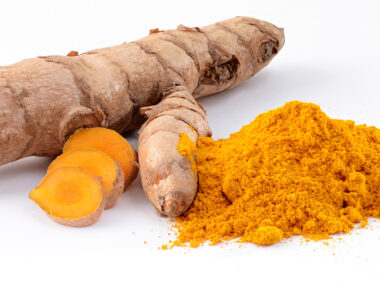
The turmeric adds curcumin, a compound inhibiting NF-kB, the master switch controlling over 500 inflammatory genes. The black pepper is not optional. Piperine in black pepper increases curcumin absorption by 2,000%. Without pepper, your liver metabolizes curcumin before meaningful amounts enter your bloodstream.
Tropical Immunity Blend Recipe
Ingredients
- 1 cup of fresh or frozen pineapple chunks (include some core)
- 1/2 cup of fresh or frozen mango chunks
- 1 cup of coconut water (look for brands with no added sugar)
- 1/2 teaspoon of ground turmeric (or a 1/2-inch piece of fresh turmeric, peeled)
- 1 small pinch of freshly ground black pepper (approximately 1/8 teaspoon)
- 1 tablespoon of coconut oil or 1/4 of a small avocado (fat source for curcumin and beta-carotene absorption)
- 4 to 5 ice cubes (reduce if using frozen fruit)
Instructions
- Add the coconut water to the blender first.
- Add the pineapple, mango, turmeric, black pepper, and coconut oil (or avocado). The coconut oil provides the fat source needed for curcumin and beta-carotene absorption. If using solid coconut oil (room temperature below 76°F), melt the oil briefly in the microwave for 10 seconds or soften by holding the jar in warm water.
- Add ice. Blend on high for 30 to 45 seconds until completely smooth. The turmeric tints the smoothie a deep golden-orange color.
- Drink immediately. Bromelain activity decreases with time and exposure to light.
Approximate Nutrition Per Serving
- Calories: 265
- Vitamin C: 131 mg (145% daily value)
- Vitamin A: 1,785 IU (36% daily value)
- Potassium: 890 mg (19% daily value)
- Bromelain: 40 to 80 mg
- Curcumin: approximately 15 to 20 mg (from 1/2 teaspoon turmeric)
- Fiber: 4 grams
Watermelon-Basil Refresher
Watermelon is 92% water by weight, making the fruit one of the most hydrating foods available. But watermelon delivers far more than water. The red flesh contains lycopene, citrulline, vitamin C, vitamin A, and potassium in a naturally sweet, easy-to-blend package.
Lycopene is the carotenoid pigment producing the red color in watermelon, tomatoes, and pink grapefruit. Watermelon contains 40% more lycopene per serving than raw tomatoes (12.7 mg per cup of watermelon vs. 4.6 mg per cup of raw tomato), though most people associate lycopene primarily with tomatoes. Lycopene is one of the strongest dietary antioxidants tested. A study published in the journal Free Radical Biology and Medicine found lycopene neutralized singlet oxygen (a reactive oxygen species generated by UV exposure) 100 times more efficiently than vitamin E and 10 times more efficiently than beta-carotene.
Lycopene also modulates immune function directly. A review published in the European Journal of Pharmacology analyzed 25 studies and found lycopene enhanced natural killer cell activity, increased lymphocyte proliferation, and reduced inflammatory cytokine production in human subjects. The immune effects occurred at dietary intakes of 8 to 20 mg per day, achievable with 1 to 2 cups of watermelon.
Citrulline, an amino acid concentrated in watermelon (particularly in the white rind), converts to arginine in your kidneys. Arginine is the precursor to nitric oxide (NO), a signaling molecule that dilates blood vessels, improves circulation, and plays a role in immune cell activation. Macrophages and neutrophils produce nitric oxide as part of their pathogen-killing mechanism. A study in the Journal of Nutrition found that consuming 780 mL of watermelon juice daily for 3 weeks increased plasma arginine levels by 22% in healthy adults.
The basil in this recipe is not decorative. Fresh basil contains eugenol, rosmarinic acid, and apigenin. Eugenol has documented anti-inflammatory effects through COX-2 inhibition. Rosmarinic acid acts as an antioxidant and inhibits complement activation, a component of the inflammatory immune response involved in allergic reactions. A study in the Journal of Ethnopharmacology found basil extract reduced histamine release from mast cells by 50% at tested concentrations.
Cucumber adds hydration (96% water), vitamin K, and silica. Lime provides additional vitamin C and citric acid, which improves mineral absorption from the other ingredients.
Watermelon-Basil Refresher Recipe
Ingredients
- 2 cups of seedless watermelon chunks (include a small piece of the white rind for extra citrulline)
- 1/2 medium cucumber (peeled or unpeeled, roughly chopped)
- 8 to 10 fresh basil leaves
- Juice of 1 lime (about 2 tablespoons)
- 1/2 cup of water or coconut water
- 1 cup of ice cubes
- Pinch of sea salt (enhances flavor and replaces sodium lost through sweating)
Instructions
- Add the water or coconut water to the blender. Add the watermelon, cucumber, basil leaves, lime juice, salt, and ice.
- Blend on high for 30 seconds. This smoothie has a thinner, juice-like consistency due to the high water content of watermelon and cucumber. If you prefer a thicker texture, freeze the watermelon chunks for 2 hours before blending and reduce the ice.
- Pour over additional ice if desired. Garnish with a basil leaf and a thin cucumber slice.
- Drink immediately. The lycopene in watermelon is relatively stable, but the vitamin C from lime degrades quickly after blending.
Approximate Nutrition Per Serving
- Calories: 105
- Vitamin C: 35 mg (39% daily value)
- Lycopene: 12 to 15 mg
- Citrulline: 250 to 350 mg
- Potassium: 470 mg (10% daily value)
- Vitamin A: 1,625 IU (33% daily value)
- Fiber: 2 grams
- Water content: approximately 450 mL (nearly 2 cups of hydration)
Autumn Smoothies
Respiratory virus preparation. Gut barrier reinforcement. Vitamin A and D replenishment as sunlight declines.
Pumpkin Spice Immunity
Autumn is preparation season for your immune system. Respiratory virus circulation increases as temperatures drop, indoor gathering increases, and humidity falls. Your immune system needs specific nutrients to prepare for this seasonal challenge. This smoothie delivers three of the most critical: beta-carotene (vitamin A precursor), fiber (prebiotic gut support), and cinnamon (blood sugar regulation and antimicrobial activity).
Pumpkin puree is one of the most concentrated food sources of beta-carotene available. One cup of canned pumpkin provides 763% of your daily vitamin A (as beta-carotene). Your body converts beta-carotene into retinol (active vitamin A) in the intestinal wall. Retinol is essential for the differentiation and function of virtually every cell type in your immune system: natural killer cells, macrophages, neutrophils, T-cells, and B-cells. A study published in the Journal of Clinical Medicine reviewed 20 trials and concluded vitamin A deficiency impairs innate immunity, reduces antibody responses to vaccination, and increases susceptibility to respiratory infections.
A clinical trial published in the American Journal of Clinical Nutrition tested beta-carotene supplementation on 65 healthy older adults for 12 weeks. The group receiving beta-carotene showed increased numbers of natural killer cells, increased helper T-cell populations, and enhanced lymphocyte proliferative responses compared to the placebo group. The daily dose used in the study (equivalent to approximately 1/2 cup of canned pumpkin) produced measurable immune enhancement in a population most vulnerable to age-related immune decline.
Cinnamon (Ceylon variety) contains cinnamaldehyde, a compound with documented antimicrobial activity against a range of respiratory pathogens. A study in the Journal of Antimicrobial Chemotherapy found cinnamon extract inhibited the growth of Streptococcus pneumoniae, Haemophilus influenzae, and Staphylococcus aureus, three common causes of upper and lower respiratory tract infections. A separate study published in Microbiology Research found cinnamaldehyde disrupted viral entry mechanisms, reducing infectivity of certain respiratory viruses in cell culture.
Cinnamon also improves insulin sensitivity and blood sugar regulation. This immune connection is underappreciated. Elevated blood sugar impairs neutrophil function (the ability of your white blood cells to engulf and destroy bacteria). A study in Diabetes Care found that acute hyperglycemia reduced neutrophil phagocytic capacity by 40%. Maintaining stable blood sugar through dietary strategies like cinnamon consumption supports consistent immune cell performance.
The banana provides potassium, natural sweetness, and a thick, creamy texture. Almond milk adds vitamin E (many commercial almond milks are fortified with 50% of the daily value per cup). Vitamin E protects immune cell membranes from oxidative damage and enhances T-cell mediated immune function, particularly in older adults.
Pumpkin Spice Immunity Recipe
Ingredients
- 1/2 cup of canned pumpkin puree (not pumpkin pie filling, which contains added sugar and spices). Look for cans listing only one ingredient: pumpkin.
- 1 medium ripe banana (fresh or frozen. Frozen banana creates a thicker, ice-cream-like texture)
- 1 cup of unsweetened almond milk (or oat milk)
- 1 teaspoon of Ceylon cinnamon
- 1/4 teaspoon of ground ginger
- 1/8 teaspoon of ground nutmeg
- 1 tablespoon of almond butter (fat source for beta-carotene absorption)
- 1 tablespoon of maple syrup or honey (optional)
- 4 to 5 ice cubes (reduce or omit if using frozen banana)
Instructions
- Add the almond milk to the blender. Add the pumpkin puree, banana, almond butter, cinnamon, ginger, nutmeg, sweetener (if using), and ice.
- Blend on high for 30 to 45 seconds until smooth and creamy. The pumpkin and banana create a thick, milkshake-like consistency without any dairy.
- Taste and adjust spices. Add more cinnamon for warmth. Add more ginger for a sharper bite. Add more sweetener if the pumpkin flavor is too earthy.
- Pour into a glass. Sprinkle a light dusting of cinnamon on top.
Approximate Nutrition Per Serving
- Calories: 290
- Vitamin A: 19,065 IU (381% daily value)
- Vitamin E: 8.5 mg (57% daily value, varies by almond milk brand)
- Fiber: 8 grams (29% daily value)
- Potassium: 780 mg (17% daily value)
- Protein: 7 grams
- Iron: 3.2 mg (18% daily value)
- Healthy fat: 9 grams (from almond butter and almond milk)
Apple-Cinnamon Shield
This smoothie pairs probiotic kefir with prebiotic oat fiber and polyphenol-rich apples. The design follows the synbiotic principle: live beneficial bacteria (from kefir) combined with the specific fiber those bacteria feed on (from oats), delivered alongside polyphenols that selectively promote beneficial bacterial growth while inhibiting pathogenic species.
The oats in this recipe provide beta-glucan, a soluble fiber with direct immune-stimulating properties independent of its prebiotic effect. Beta-glucan binds to Dectin-1 receptors on the surface of macrophages and neutrophils, priming these immune cells for faster, more effective pathogen responses. A meta-analysis published in the European Journal of Clinical Nutrition reviewed 20 clinical trials and found beta-glucan supplementation reduced the incidence of upper respiratory tract infections by 25% and shortened the duration of symptoms in those who did get sick.
A study published in the Journal of the American College of Nutrition tested oat beta-glucan in 75 marathon runners, a population with temporarily suppressed immunity following extreme exercise. Runners who consumed 5.6 grams of beta-glucan daily for 4 weeks before and 2 weeks after a marathon had 37% fewer upper respiratory tract infection days and reported 33% better overall health scores compared to the placebo group. One cup of cooked oats provides approximately 4 grams of beta-glucan. This smoothie uses 1/2 cup of rolled oats, delivering approximately 2 grams of beta-glucan per serving.
The apple provides pectin (a soluble fiber) and quercetin. Pectin ferments in the large intestine, producing butyrate, a short-chain fatty acid that strengthens the gut barrier by increasing tight junction protein expression between intestinal epithelial cells. A strong gut barrier prevents pathogenic bacteria and their toxins (lipopolysaccharides) from crossing into your bloodstream, a process called “leaky gut” that drives chronic inflammation. A study in the journal Gut found butyrate increased transepithelial electrical resistance (a measure of gut barrier integrity) by 45% in human intestinal cell cultures.
The kefir base delivers 30 to 50 probiotic species directly into this environment, creating a layered immune strategy: beta-glucan primes your innate immune cells, prebiotic fiber strengthens your gut barrier and feeds beneficial bacteria, probiotics colonize your gut and compete with pathogenic organisms, and quercetin modulates the inflammatory response to prevent overreaction.
Apple-Cinnamon Shield Recipe
Ingredients
- 1 medium apple (any variety, cored and quartered, skin on. The skin contains 5 to 10 times more quercetin than the flesh)
- 1/2 cup of rolled oats (not instant oats, which are more processed and contain less beta-glucan)
- 1 cup of plain, unsweetened kefir
- 1 teaspoon of Ceylon cinnamon
- 1 tablespoon of almond butter or walnut butter
- 1 tablespoon of honey or maple syrup (optional)
- 1/2 cup of water (adjust for desired thickness)
- 4 to 5 ice cubes
Instructions
- For the smoothest texture, soak the rolled oats in the kefir for 10 to 15 minutes before blending. This softens the oats and allows them to blend more completely. If you prefer a chunkier, more substantial texture (like drinkable oatmeal), skip the soak and blend directly.
- Add the oat-kefir mixture, apple quarters, cinnamon, nut butter, sweetener (if using), water, and ice to the blender.
- Blend on high for 45 to 60 seconds. The apple skin requires slightly longer blending to break down fully. If small skin fragments remain, blend for an additional 15 seconds.
- Pour and drink immediately. The oats continue absorbing liquid after blending, so the smoothie thickens over time. If you prepare this in advance (up to 12 hours in the refrigerator), add water and stir before drinking.
Approximate Nutrition Per Serving
- Calories: 385
- Protein: 17 grams
- Fiber: 9 grams (32% daily value)
- Beta-glucan: approximately 2 grams
- Calcium: 320 mg (25% daily value, from kefir)
- Probiotics: approximately 10 to 50 billion CFU (from kefir)
- Quercetin: approximately 8 to 15 mg (from apple skin)
- Vitamin B12: 1.1 mcg (46% daily value, from kefir)
Winter Smoothies
Cold and flu defense. Antioxidant reinforcement during peak illness season. Anti-inflammatory support when outdoor activity declines.
Berry-Ginger Defense
Winter is peak season for influenza, RSV, norovirus, and common cold viruses (rhinoviruses and coronaviruses). Your immune system faces its highest pathogen load during December through March. This smoothie delivers a concentrated dose of the compounds most relevant to respiratory virus defense: anthocyanins (immune cell activation), vitamin C (neutrophil and lymphocyte support), and gingerols (anti-inflammatory, antiviral).
Blueberries and raspberries together provide a spectrum of anthocyanins that no single berry delivers alone. Blueberries contain predominantly malvidin and delphinidin. Raspberries contain predominantly cyanidin. Each anthocyanin type interacts with different immune receptors and enzyme systems. A study published in Advances in Nutrition reviewed 30 studies on berry anthocyanins and immune function and concluded that anthocyanin consumption “consistently reduced markers of inflammation, enhanced natural killer cell cytotoxicity, and improved T-cell function across diverse populations.” The effective dose in most studies ranged from 40 to 300 mg of total anthocyanins per day. One cup of mixed blueberries and raspberries provides approximately 100 to 180 mg.
A 2016 study published in Nutrients tested blueberry consumption specifically on upper respiratory tract infections. Participants who consumed blueberry polyphenols daily for 6 weeks showed increased natural killer cell counts and reduced pro-inflammatory cytokines in their blood. When experimentally exposed to a respiratory virus, the blueberry group reported milder symptoms and faster recovery compared to the placebo group.
The ginger in this smoothie contributes gingerols and shogaols with documented antiviral activity. A study published in the Journal of Ethnopharmacology found fresh ginger stimulated mucosal cells to secrete interferon-beta (IFN-beta), a signaling protein that activates antiviral defenses in neighboring cells. This paracrine immune response helps contain viral replication before the adaptive immune system (antibodies and T-cells) fully engages, a process that takes 5 to 7 days. Ginger’s ability to accelerate the innate immune response during this critical early window reduces viral load and symptom severity.
The almond milk provides vitamin E. A study published in JAMA found that elderly adults who took 200 IU of vitamin E daily showed a 65% reduction in the incidence of upper respiratory tract infections over one year. The mechanism involves vitamin E protecting T-cell membranes from oxidative damage during the inflammatory response to infection. T-cells with intact membranes function more effectively. One cup of fortified almond milk provides approximately 7.5 mg of vitamin E (50% of daily value).
Berry-Ginger Defense Recipe
Ingredients
- 1/2 cup of frozen blueberries (wild blueberries contain approximately twice the anthocyanin concentration of cultivated varieties)
- 1/2 cup of frozen raspberries
- 1-inch piece of fresh ginger (peeled). For a stronger ginger presence, use 1.5 inches.
- 1 cup of unsweetened almond milk
- 1 tablespoon of ground flaxseed (adds omega-3 and additional fiber)
- 1 tablespoon of honey (optional. Raw honey adds its own antimicrobial compounds)
- 1/2 frozen banana (adds creaminess and natural sweetness without overpowering the berries)
Instructions
- Add the almond milk to the blender. Add the frozen blueberries, raspberries, banana, ginger, flaxseed, and honey.
- Blend on high for 45 to 60 seconds until smooth. Fresh ginger contains fibrous strands. Blend long enough to fully break down the fibers. If strands remain, blend for an additional 15 seconds or grate the ginger finely before adding.
- The frozen fruit creates a thick, frosty texture without additional ice. If

 Admin
Admin