 Admin
Admin

Oral disease affects 3.5 billion people worldwide, according to the World Health Organization. Tooth decay is the most prevalent chronic disease on the planet. Gum disease (periodontitis) affects 19% of the global adult population and is the leading cause of tooth loss. Most of these conditions are preventable through diet, hygiene, and targeted use of natural antimicrobial compounds.
Your mouth is a complex ecosystem. The oral microbiome contains bacteria, fungi, viruses, and archaea living on your teeth, gums, tongue, and cheek lining. When beneficial species dominate, they produce compounds that maintain neutral pH, inhibit pathogenic growth, and support gum tissue integrity. When pathogenic species gain the upper hand, they produce acids that dissolve enamel, toxins that inflame gum tissue, and biofilms (plaque) that harden into calculus.
Conventional oral care focuses on killing bacteria. Chlorhexidine mouthwash, triclosan toothpaste, and alcohol-based rinses reduce total bacterial load without distinguishing between beneficial and harmful species. These approaches work in the short term. Long-term use disrupts the oral microbiome, promotes resistant organisms, and causes side effects including staining, taste alteration, and dry mouth.
The natural remedies in this guide take a different approach. Each herb or food contains specific compounds that selectively target pathogenic oral bacteria while preserving or promoting beneficial species. Some strengthen enamel through mineral delivery. Others reduce inflammation in gum tissue. Several inhibit the specific enzymes bacteria use to produce acid or form biofilm. The evidence for these remedies ranges from traditional use spanning thousands of years to modern randomized controlled trials published in peer-reviewed dental journals.
These remedies do not replace brushing, flossing, or dental checkups. They supplement your existing oral care routine with targeted, evidence-supported natural compounds. Used consistently, they reduce your risk of cavities, gum disease, and the systemic inflammation that links oral health to heart disease, diabetes, and cognitive decline.
Green Tea

Green tea is the most studied beverage in oral health research. The active compounds, catechins (particularly epigallocatechin gallate, or EGCG), interact with oral bacteria, gum tissue, and tooth enamel through multiple documented mechanisms. No other single food or drink addresses as many aspects of oral health simultaneously.
EGCG inhibits the growth of Streptococcus mutans, the primary bacterium responsible for tooth decay. S. mutans metabolizes dietary sugars into lactic acid, which dissolves tooth enamel. The bacterium also produces glucosyltransferase, an enzyme that creates the sticky glucan matrix forming dental plaque. A study published in the Journal of Dental Research found EGCG inhibited both acid production and glucosyltransferase activity in S. mutans at concentrations present in a standard cup of brewed green tea (2 to 3 mg/mL).
A clinical trial published in the Journal of Indian Society of Periodontology tested green tea mouthwash against chlorhexidine (the gold standard antimicrobial mouthwash) in 60 patients with chronic periodontitis. After 4 weeks of daily use, both groups showed statistically equivalent reductions in plaque index, gingival index, and probing pocket depth. Green tea performed as well as the pharmaceutical mouthwash without the staining, taste alteration, or microbiome disruption associated with chlorhexidine.
Green tea also contains fluoride naturally. One cup of brewed green tea provides approximately 0.3 to 0.5 mg of fluoride, contributing to enamel remineralization. The combination of fluoride, catechin-mediated antibacterial activity, and pH-buffering capacity makes green tea uniquely suited for cavity prevention.
For gum health, EGCG reduces inflammation through NF-kB inhibition, the same anti-inflammatory pathway relevant to joint health and cardiovascular health. A study in the Journal of Periodontology found green tea catechins reduced the production of interleukin-6 and interleukin-8 in gum tissue fibroblasts stimulated with bacterial endotoxins. These cytokines drive the tissue destruction seen in periodontitis. Reducing their production slows the progression of gum disease.
A large-scale epidemiological study published in the Journal of Periodontology followed 940 Japanese men and found an inverse relationship between green tea consumption and periodontal disease severity. Each additional daily cup of green tea was associated with a 0.023 mm decrease in probing depth, a 0.028 mm decrease in clinical attachment loss, and a reduced tendency for gum bleeding. The relationship was dose-dependent and statistically significant after controlling for age, smoking, diabetes, and oral hygiene habits.
How to Use Green Tea for Oral Health
- Drink 2 to 3 cups of unsweetened green tea daily. Adding sugar feeds the bacteria you are trying to suppress. If you need sweetness, add a small amount of xylitol, a sugar alcohol that actively inhibits S. mutans growth.
- Swish the tea around your mouth for 15 to 30 seconds before swallowing. This extends contact time between the catechins and your tooth and gum surfaces. The antimicrobial effect is contact-dependent.
- Make a green tea mouth rinse. Brew a strong cup using 2 tea bags or 2 teaspoons of loose-leaf green tea. Steep for 5 minutes (longer steeping extracts more catechins). Let the tea cool to room temperature. Use the cooled tea as a mouth rinse after brushing, morning and evening. Swish for 30 to 60 seconds. Spit or swallow. Prepare a fresh batch daily. Green tea oxidizes within 24 hours, reducing catechin potency.
- Drink green tea after meals. Post-meal green tea neutralizes the acid produced by oral bacteria during carbohydrate metabolism. The pH-buffering effect begins within minutes of consumption. This timing reduces the acid exposure that softens and erodes enamel after eating.
Cloves
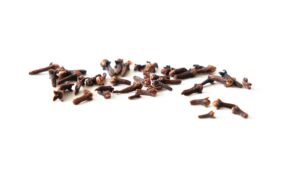
Cloves (Syzygium aromaticum) have been used for dental pain relief for over 2,000 years. Ancient Chinese physicians instructed patients with toothaches to hold a clove against the affected tooth. This remedy persisted through every subsequent era of medicine because the active compound, eugenol, is a legitimate local anesthetic and analgesic.
Eugenol comprises 70 to 90% of clove essential oil. The compound works by blocking voltage-gated sodium channels in sensory nerve fibers, the same mechanism used by lidocaine and other synthetic local anesthetics. A study published in the Journal of Dentistry found eugenol produced a local anesthetic effect comparable to benzocaine when applied topically to oral mucosa. The onset time was slightly longer (2 to 3 minutes vs. 1 minute for benzocaine), but the duration of action was similar.
The FDA recognized eugenol as effective for temporary relief of toothache pain in its 1991 monograph on oral health care drug products. Many commercial toothache gels and dental cements contain eugenol as the primary active ingredient. The compound you buy in a pharmacy toothache product is the same compound present in the whole clove sitting in your spice cabinet.
Beyond pain relief, eugenol has broad-spectrum antimicrobial activity. A study published in the Journal of Medical Microbiology tested clove oil against 31 species of oral bacteria, including Streptococcus mutans, Porphyromonas gingivalis, Prevotella intermedia, and Fusobacterium nucleatum. Clove oil inhibited all 31 species at concentrations achievable through topical application. The minimum inhibitory concentrations ranged from 0.01% to 0.06%, well below the eugenol concentration in whole clove oil (70 to 90%).
Clove oil also demonstrates anti-biofilm activity. Dental plaque is a biofilm, a structured community of bacteria embedded in a polysaccharide matrix that adheres to tooth surfaces. Bacteria within biofilm are 10 to 1,000 times more resistant to antimicrobial agents than free-floating (planktonic) bacteria. A study in the Archives of Oral Biology found clove oil disrupted pre-formed S. mutans biofilm and prevented new biofilm formation at sub-inhibitory concentrations. The eugenol penetrated the biofilm matrix and killed bacteria within the structure.
How to Use Cloves for Oral Health
- For toothache relief: Place a whole clove directly on the painful tooth or gum area. Bite down gently to release the oil. Hold in place for 15 to 20 minutes. The eugenol numbs the area and reduces inflammation. Replace with a fresh clove as needed. This provides temporary relief until you see a dentist. Do not use clove as a substitute for professional dental treatment of the underlying cause.
- Clove oil application: Dilute clove essential oil before applying to oral tissue. Mix 2 to 3 drops of clove oil with 1 teaspoon of coconut oil or olive oil. Apply the diluted oil to the affected area using a clean cotton swab. Hold for 10 to 15 minutes. Undiluted clove oil causes tissue irritation and chemical burns on delicate oral mucosa. Always dilute.
- Clove rinse: Add 2 to 3 drops of food-grade clove oil to 1 cup of warm water. Stir. Swish the solution for 30 seconds. Spit. Use once or twice daily as an antimicrobial mouth rinse. This dilution provides antimicrobial activity without tissue irritation.
- Chew a whole clove after meals. The mechanical chewing releases eugenol gradually. The clove’s fibrous texture provides mild abrasive action on tooth surfaces. The antimicrobial effect suppresses post-meal bacterial acid production.
Neem

Neem (Azadirachta indica) is the most widely used traditional oral care plant in the world. An estimated 80% of the Indian population and significant portions of African and Southeast Asian populations use neem twigs (datun) as a daily tooth-cleaning tool. The WHO recognized neem chewing sticks as an effective oral hygiene method in regions with limited access to commercial dental products.
The practice is ancient. Ayurvedic texts dating to 3000 BCE describe neem twig chewing for dental care. The practice persists today not because of tradition alone but because neem contains over 140 identified bioactive compounds with documented oral health benefits. The primary active compounds include nimbidin, nimbin, nimbinin, azadirachtin, and gedunin.
Nimbidin is the most studied compound for oral applications. A study published in the Indian Journal of Dental Research tested neem extract against 8 species of cariogenic (cavity-causing) and periodontopathic (gum-disease-causing) bacteria. Neem extract inhibited all 8 species, including Streptococcus mutans, Streptococcus sanguis, Lactobacillus acidophilus, and Porphyromonas gingivalis. The minimum inhibitory concentrations were comparable to chlorhexidine for several species.
A randomized controlled trial published in the Journal of Clinical and Diagnostic Research compared neem mouthwash to chlorhexidine mouthwash in 60 patients with gingivitis. After 21 days, both groups showed significant reductions in plaque index and gingival index. The neem group showed a 56% reduction in plaque scores compared to 58% for chlorhexidine. The difference between the two treatments was not statistically significant. The researchers concluded neem mouthwash was “as effective as chlorhexidine in reducing plaque and gingivitis.”
A larger clinical trial published in the Journal of Indian Society of Periodontology tested neem chewing sticks versus conventional toothbrushes in 36 children over 30 days. The neem stick group showed significantly greater reduction in plaque scores than the toothbrush group. Gingival health was equivalent between groups. The researchers attributed the superior plaque reduction to the combined mechanical and chemical action of the neem twig: the fibers of the chewed twig act as bristles, while the released neem compounds provide antimicrobial activity.
Neem also demonstrates anti-inflammatory effects on gum tissue. Nimbidin inhibits cyclooxygenase and lipoxygenase pathways, reducing prostaglandin and leukotriene production in inflamed gingival tissue. A study in the journal Phytomedicine found neem leaf extract reduced gingival inflammation markers by 40% in an in vitro model of periodontitis.
How to Use Neem for Oral Health
- Neem-based toothpaste: Several commercial toothpastes contain neem extract as an active ingredient. Look for products listing Azadirachta indica extract on the ingredient label. Use as you would any toothpaste, brushing for 2 minutes twice daily.
- Neem mouthwash: Boil 4 to 5 fresh neem leaves (or 1 teaspoon of dried neem leaf powder) in 2 cups of water for 10 minutes. Strain and cool to room temperature. Use as a mouth rinse after brushing. Swish for 30 to 60 seconds. Spit. Prepare fresh daily. The taste is bitter. Adding a few drops of peppermint oil improves palatability.
- Neem twig chewing: If you have access to fresh neem twigs (available at Indian grocery stores or online), peel the bark from one end and chew the exposed wood until the fibers splay out into a brush-like shape. Use this natural brush to clean your teeth and gums. The chewing releases neem compounds directly onto your tooth and gum surfaces. This method works when you do not have access to a toothbrush.
- Neem oil for gum massage: Dilute 2 to 3 drops of neem oil in 1 tablespoon of coconut oil. Massage the mixture into your gums with a clean fingertip for 2 minutes. The direct contact delivers nimbidin and other anti-inflammatory compounds to inflamed gum tissue. Rinse with warm water afterward.
Licorice Root

Licorice root (Glycyrrhiza glabra) contains two compounds with specific, targeted activity against the most destructive oral pathogens. Licoricidin and licorisoflavan A inhibit the growth of Streptococcus mutans (cavity-causing) and Porphyromonas gingivalis (gum-disease-causing) at concentrations that do not harm beneficial oral bacteria. This selective antimicrobial activity distinguishes licorice from broad-spectrum agents like chlorhexidine and alcohol-based mouthwashes.
A study published in the Journal of Natural Products tested licoricidin and licorisoflavan A against a panel of oral bacteria. Both compounds inhibited S. mutans and P. gingivalis at minimum bactericidal concentrations (MBC) of 2 to 4 mcg/mL. At the same concentrations, the compounds did not inhibit Streptococcus sanguinis or Streptococcus gordonii, two bacterial species associated with oral health and cavity resistance. This selectivity means licorice root kills the bacteria causing damage while leaving the protective bacteria intact.
The anti-biofilm effects are equally selective. A study in the journal Caries Research found licorice extract reduced S. mutans biofilm formation by 70% without affecting the biofilm of beneficial species. The compounds interfered with the glucosyltransferase enzyme S. mutans uses to build the polysaccharide matrix of dental plaque. Without this matrix, the bacteria fail to adhere to tooth surfaces and are washed away by saliva.
For gum disease, licorice root addresses the inflammatory component. Glycyrrhizin, the compound giving licorice its sweet taste, inhibits the complement system and reduces the production of matrix metalloproteinases (MMPs), enzymes that break down collagen in gum tissue. A study in the Journal of Dental Research found licorice extract reduced MMP-9 activity in gum tissue by 52%, slowing the connective tissue destruction that leads to tooth loss in advanced periodontitis.
A clinical trial published in the Journal of Applied Oral Science tested licorice root lollipops (containing 15 mg of glycyrrhizol A) in 66 children aged 2 to 6 years. Children who consumed 2 lollipops per day for 3 weeks showed a significant reduction in salivary S. mutans counts compared to the control group. The reduction persisted for 22 days after the lollipop consumption ended, suggesting a lasting shift in oral bacterial composition.
How to Use Licorice Root for Oral Health
- Chew dried licorice root sticks. Dried licorice root is available at health food stores and online. Chew the stick until the fibers soften and splay. Use the softened end to brush your teeth and massage your gums. The chewing releases licoricidin and glycyrrhizin directly onto your tooth surfaces. The naturally sweet taste makes this an enjoyable practice.
- Brew licorice root tea. Place 1 teaspoon of dried, chopped licorice root in a cup. Pour boiling water over the root. Steep for 10 minutes. Strain. Swish the tea around your mouth for 30 seconds before swallowing. Drink 1 cup daily. The oral contact during swishing delivers antimicrobial compounds to your teeth and gums.
- Look for toothpastes and mouthwashes containing licorice root extract. Several natural oral care brands include Glycyrrhiza glabra extract as an active ingredient. These products deliver therapeutic concentrations of licoricidin in a convenient daily-use format.
Cranberries

Cranberries (Vaccinium macrocarpon) contain proanthocyanidins (PACs), compounds that prevent bacteria from adhering to biological surfaces. This anti-adhesion mechanism is well known for urinary tract health. The same mechanism applies to oral health. Bacteria that fail to adhere to tooth and gum surfaces wash away with saliva. Without adhesion, bacteria form no biofilm. Without biofilm, cavities and gum disease progression stall.
A study published in the Journal of Dental Research tested cranberry proanthocyanidins against a panel of oral pathogens. Cranberry PACs reduced the adherence of Streptococcus mutans to saliva-coated hydroxyapatite (a model for tooth enamel surface) by 80%. The PACs also inhibited glucosyltransferase activity by 70%, preventing the production of the polysaccharide glue S. mutans uses to build dental plaque.
The mechanism is specific. Cranberry PACs do not kill bacteria directly. The compounds block the surface adhesins (protein structures) bacteria use to attach to host tissue. A study published in the journal Caries Research found cranberry extract altered the cell surface hydrophobicity of S. mutans, making the bacteria unable to stick to tooth enamel. The bacteria remained alive but could not form biofilm. This non-lethal mechanism reduces the selective pressure that drives antibiotic resistance.
For gum disease, cranberry PACs inhibit the virulence factors of Porphyromonas gingivalis, the keystone pathogen in periodontitis. A study in the Journal of Antimicrobial Chemotherapy found cranberry extract reduced P. gingivalis protease activity by 50% and inhibited the bacterium’s ability to invade gum epithelial cells by 60%. These proteases (gingipains) are the primary weapons P. gingivalis uses to destroy gum tissue and evade the immune response.
A clinical study published in the Journal of Periodontal Research tested a cranberry-based oral rinse on 60 adults with gingivitis. After 6 weeks, the cranberry group showed significant reductions in bleeding on probing, gingival inflammation, and the presence of periodontal pathogens compared to the placebo group.
How to Use Cranberries for Oral Health
- Drink unsweetened cranberry juice. Sweetened cranberry juice cocktails contain 25 to 35 grams of added sugar per serving, which feeds the exact bacteria you are trying to suppress. Look for 100% cranberry juice with no added sugar. The taste is tart and astringent. Mix with water (1 part cranberry juice to 2 parts water) if the flavor is too intense. Swish the juice in your mouth for 15 to 30 seconds before swallowing to maximize contact with tooth and gum surfaces.
- Eat fresh or frozen cranberries. Add whole cranberries to oatmeal, yogurt, and salads. The chewing action releases PACs directly in your mouth. Fresh cranberries are available seasonally (October through December in North America). Frozen cranberries are available year-round and retain their PAC content.
- Take cranberry extract supplements. Standardized cranberry supplements (containing 36 to 72 mg of PACs per dose) provide concentrated anti-adhesion compounds in capsule form. This option bypasses the sugar concern entirely and delivers a consistent PAC dose.
Sesame Seeds
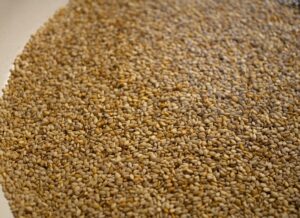
Sesame seeds (Sesamum indicum) support oral health through two mechanisms: mineral delivery for enamel strengthening and mechanical plaque removal during chewing. The seeds also form the basis of oil pulling, an Ayurvedic oral hygiene practice with growing research support.
One tablespoon of sesame seeds provides 88 mg of calcium (7% daily value), 32 mg of magnesium (8% daily value), and 57 mg of phosphorus (5% daily value). These three minerals are the primary structural components of hydroxyapatite, the crystalline compound forming 97% of your tooth enamel. Your saliva contains calcium and phosphorus ions that continuously remineralize enamel surfaces damaged by bacterial acid exposure. Dietary calcium, magnesium, and phosphorus replenish the mineral pool in your saliva. A study published in the Journal of the American Dental Association found that individuals with higher dietary calcium intake had significantly lower rates of periodontal disease.
The physical texture of sesame seeds provides a gentle abrasive action when chewed. The seeds scrub tooth surfaces, dislodging plaque and food debris from interdental spaces. Ancient Indian, Chinese, and Middle Eastern dental traditions all include chewing sesame seeds as a tooth-cleaning practice.
Oil pulling with sesame oil is the most studied application for oral health. Oil pulling involves swishing 1 tablespoon of sesame oil in your mouth for 15 to 20 minutes, then spitting the oil out. The practice originates from Ayurvedic medicine and dates to approximately 1500 BCE. The mechanism involves the oil’s ability to bind to bacterial cell membranes through lipophilic (fat-attracting) interactions. When you spit the oil out, you remove bacteria along with the oil.
A randomized controlled trial published in the Journal of Indian Society of Pedodontics and Preventive Dentistry tested sesame oil pulling against chlorhexidine mouthwash in 20 adolescents with plaque-induced gingivitis. After 10 days, both groups showed statistically significant and equivalent reductions in plaque index, modified gingival index, and total bacterial count. Sesame oil pulling performed identically to chlorhexidine for plaque and gingivitis reduction.
A study published in the Indian Journal of Dental Research tested oil pulling with sesame oil on Streptococcus mutans counts in saliva. Participants who practiced oil pulling for 40 days showed a 20% reduction in salivary S. mutans compared to a 27% reduction in the chlorhexidine mouthwash control group. Both reductions were statistically significant. The difference between the two treatments was not significant.
How to Use Sesame Seeds for Oral Health
- Chew a tablespoon of raw sesame seeds for 1 to 2 minutes without swallowing. Allow the chewed seed paste to contact all tooth surfaces. The mechanical action scrubs plaque while the released minerals contact your enamel. After chewing, brush your teeth normally. The seed paste helps polish tooth surfaces.
- Practice sesame oil pulling. Place 1 tablespoon of cold-pressed, unrefined sesame oil in your mouth. Swish the oil gently around your mouth, pulling the oil between your teeth. Continue for 15 to 20 minutes. Start with 5 minutes if 20 minutes feels too long and increase gradually. Spit the oil into a trash bin (not the sink, as oil clogs drains). Rinse your mouth with warm water. Brush normally. Practice oil pulling in the morning before eating or drinking. The timing maximizes the removal of overnight bacterial accumulation.
- Add sesame seeds to meals. Sprinkle raw or lightly toasted sesame seeds on salads, rice, vegetables, and grain bowls. Include tahini (ground sesame seed paste) in dressings and dips. Regular dietary sesame consumption maintains the calcium, magnesium, and phosphorus levels your saliva needs for continuous enamel remineralization.
Turmeric

Curcumin, the primary bioactive compound in turmeric, reduces gum inflammation through mechanisms that address the root cause of periodontal tissue destruction rather than masking symptoms. The compound inhibits NF-kB, reduces matrix metalloproteinase (MMP) activity, and modulates the host immune response to bacterial biofilm, the three interconnected processes driving gum disease progression.
A randomized controlled trial published in the Journal of Indian Society of Periodontology compared curcumin gel to chlorhexidine gel for the treatment of experimental gingivitis in 30 subjects. Both groups showed significant reductions in plaque index, gingival index, and sulcus bleeding index after 21 days. The curcumin gel and chlorhexidine gel produced statistically equivalent results across all three measures.
A separate clinical trial published in the International Journal of Dental Hygiene tested a turmeric mouthwash against chlorhexidine in 60 patients with gingivitis. After 30 days of use, the turmeric group showed equivalent reductions in plaque and gingivitis scores. The turmeric group reported fewer side effects (no staining, no taste alteration) compared to the chlorhexidine group.
The anti-inflammatory mechanism is particularly relevant for periodontitis, where the tissue destruction is driven more by the host immune response than by the bacteria themselves. Your immune system responds to bacterial biofilm by deploying neutrophils and macrophages that release reactive oxygen species and MMPs. These compounds kill bacteria but also destroy surrounding gum tissue and bone. Curcumin modulates this response by reducing the production of pro-inflammatory cytokines (interleukin-1, interleukin-6, TNF-alpha) without eliminating the antimicrobial immune response entirely. A study in the Journal of Clinical Periodontology found curcumin reduced MMP-8 and MMP-9 levels in gingival crevicular fluid by 30 to 40% after 4 weeks of topical application.
How to Use Turmeric for Oral Health
Turmeric Oral Rinse
- Mix 1/2 teaspoon of turmeric powder in 1 cup of warm water. Stir until dissolved. Swish the solution in your mouth for 30 to 60 seconds. Spit. Rinse with plain water. The turmeric temporarily stains your mouth yellow. The staining fades within 30 minutes and is removed completely by brushing.
Turmeric Gum Paste
- Mix 1/2 teaspoon of turmeric powder with 1/4 teaspoon of salt and 1/4 teaspoon of mustard oil (or coconut oil) to form a thick paste. Apply the paste to your gums with a clean fingertip. Massage gently for 2 minutes. Leave the paste on for 5 minutes. Rinse thoroughly with warm water. Use this paste once daily for inflamed or bleeding gums. The curcumin reduces inflammation. The salt provides mild antiseptic action. The oil serves as a carrier, improving curcumin contact time with gum tissue.
- Brush with turmeric paste. Make a paste of 1/4 teaspoon of turmeric, 1/8 teaspoon of salt, and a few drops of water. Apply the paste to your toothbrush and brush gently for 2 minutes. Follow with your regular toothpaste to remove the yellow staining. This method delivers curcumin directly to tooth and gum surfaces through the mechanical action of brushing.
Aloe Vera

Aloe vera gel contains acemannan, a polysaccharide with documented wound-healing, anti-inflammatory, and antimicrobial properties. For oral health, aloe vera addresses gum inflammation, oral ulcers, and bacterial overgrowth through multiple complementary mechanisms.
Acemannan stimulates fibroblast activity and collagen synthesis in gum tissue. Fibroblasts are the cells responsible for producing the connective tissue forming the structural foundation of your gums. In periodontitis, bacterial toxins and the host inflammatory response destroy this connective tissue, creating pockets between the gum and tooth where more bacteria accumulate. By stimulating fibroblast activity, aloe vera promotes the repair of damaged gum tissue.
A randomized controlled trial published in the Journal of Clinical and Experimental Dentistry tested aloe vera gel against 0.12% chlorhexidine in 390 patients for plaque and gingivitis reduction. After 30 days, aloe vera gel was equally effective as chlorhexidine in reducing plaque and gingival index scores. A study in the Journal of Indian Society of Periodontology tested aloe vera mouthwash in patients with chronic periodontitis after scaling and root planing (deep cleaning). The aloe vera group showed significantly greater improvements in plaque index, gingival index, and probing pocket depth compared to the control group at 3-month follow-up.
For oral ulcers (canker sores), aloe vera provides documented relief. A study published in the Journal of Clinical and Experimental Dentistry tested aloe vera gel on recurrent aphthous stomatitis (canker sores) in 40 patients. The aloe vera group experienced significantly faster healing times, reduced pain intensity, and smaller ulcer size compared to the placebo group. Acemannan’s anti-inflammatory and wound-healing properties accelerate the resolution of these painful lesions.
How to Use Aloe Vera for Oral Health
- Aloe vera mouth rinse: Mix 2 tablespoons of pure aloe vera gel (food-grade, without added ingredients) into 1 cup of water. Stir or blend until smooth. Swish for 30 seconds after brushing. Spit. Use twice daily. The gel coats your gums and tooth surfaces, providing sustained contact with the anti-inflammatory compounds. Prepare fresh daily. Aloe vera in water supports bacterial growth within 24 to 48 hours at room temperature.
- Direct gel application for gum inflammation: Apply pure aloe vera gel directly to inflamed or bleeding gums with a clean fingertip. Massage gently for 1 to 2 minutes. Leave the gel on for 10 minutes. Rinse with warm water. The direct contact delivers acemannan at higher concentrations than a diluted rinse. Use 2 to 3 times daily during acute gum inflammation episodes.
- Aloe vera for canker sores: Apply a small amount of pure aloe vera gel directly to the ulcer. Reapply 3 to 4 times daily. The gel reduces pain on contact and accelerates healing. Avoid eating or drinking for 15 minutes after application to maintain gel contact with the ulcer surface.
- If using a fresh aloe plant: Cut a mature leaf. Slice off the serrated edges. Fillet the leaf open. Scoop the clear gel with a spoon. Avoid the yellow latex layer between the skin and gel. This latex contains aloin, a laxative compound that irritates oral tissue.
Apples

Apples earn the common nickname “nature’s toothbrush” for a specific physiological reason. The act of chewing an apple stimulates saliva production more effectively than almost any other food. Saliva is your mouth’s primary natural defense system. Saliva neutralizes bacterial acids, delivers remineralizing minerals (calcium and phosphorus) to enamel surfaces, contains antibacterial enzymes (lysozyme, lactoferrin, and lactoperoxidase), and physically rinses food debris and loose bacteria from tooth surfaces.
A study published in PLOS ONE measured salivary flow rates during the consumption of different foods. Apple chewing increased saliva production by 300% above resting levels, more than bread, cheese, or chewing gum. The prolonged chewing required to break down apple flesh (averaging 20 to 25 chews per bite compared to 10 to 15 for softer foods) sustained elevated salivary flow for the duration of consumption.
The fibrous texture of apple flesh also provides a mild abrasive effect on tooth surfaces. The fiber mechanically disrupts dental plaque during chewing. A study in the British Dental Journal found that chewing an apple reduced bacterial count in saliva by 40% immediately after consumption. The reduction lasted approximately 30 minutes.
Apples contain malic acid, an alpha hydroxy acid used in some tooth-whitening products. Malic acid stimulates saliva production (acid taste triggers the salivary reflex) and provides mild surface stain removal. The concentration in apples is low enough to avoid enamel erosion when consumed as whole fruit. Drinking apple juice, which concentrates the acid and removes the fiber, carries greater erosion risk.
The polyphenols in apples, particularly quercetin and phloretin, have documented antibacterial effects against oral pathogens. A study in the Archives of Oral Biology found apple polyphenols inhibited the growth of Porphyromonas gingivalis and reduced the bacterium’s production of volatile sulfur compounds, the molecules causing bad breath. The polyphenol concentration is highest in the apple skin, providing another reason to eat apples unpeeled.
How to Use Apples for Oral Health
- Eat one whole apple daily, with the skin on. Chew each bite thoroughly (15 to 20 chews per bite) to maximize the salivary stimulation and mechanical cleaning effect. The slow, deliberate chewing is what produces the oral health benefit, not simply swallowing apple pieces.
- Eat an apple at the end of a meal when you do not have access to a toothbrush. The apple serves as a natural post-meal cleaning tool. The stimulated saliva neutralizes the acid produced by bacteria metabolizing your meal. The fiber scrubs tooth surfaces. The malic acid promotes further saliva flow. This does not replace brushing but provides significant interim cleaning until you do brush.
- Choose firm, crisp apple varieties for maximum mechanical benefit. Granny Smith, Honeycrisp, Fuji, and Braeburn apples require more chewing force than softer varieties like Red Delicious or McIntosh. More chewing equals more salivary stimulation and more mechanical plaque disruption.
Yogurt
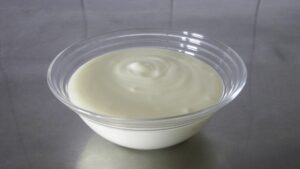
Plain yogurt delivers two distinct oral health benefits: calcium for enamel strength and live probiotic bacteria that compete with pathogenic oral species for space and resources. The probiotic effect is particularly relevant. Your oral microbiome is an ecosystem. Introducing beneficial species displaces harmful ones through competitive exclusion, the same ecological principle governing every microbial community.
The primary probiotic strains in yogurt, Lactobacillus bulgaricus and Streptococcus thermophilus, produce lactic acid and bacteriocins (antimicrobial peptides) that inhibit the growth of pathogenic oral bacteria. A study published in the International Journal of Food Microbiology found Lactobacillus species isolated from fermented dairy products inhibited the growth of Streptococcus mutans, Porphyromonas gingivalis, and Aggregatibacter actinomycetemcomitans, three of the most destructive oral pathogens.
A large-scale epidemiological study published in the Journal of Periodontology analyzed dietary data from 6,000 participants in the NHANES III survey. Those who consumed yogurt or other fermented dairy products regularly had significantly lower rates of periodontal disease (measured by clinical attachment loss and probing pocket depth) compared to those who did not. The association remained significant after controlling for calcium intake, suggesting the probiotic bacteria, not the calcium alone, drove the protective effect.
For cavity prevention, a study published in the journal General Dentistry followed 2,058 children and found those who consumed yogurt at least 4 times per week had 22% fewer cavities than those who consumed yogurt less than once per week. The researchers attributed the protective effect to the casein and whey proteins in yogurt (which form a protective film on enamel), the calcium and phosphorus content (which promote remineralization), and the probiotic bacteria (which reduce S. mutans colonization).
The protein casein in dairy yogurt has a specific interaction with tooth enamel. Casein phosphopeptide-amorphous calcium phosphate (CPP-ACP), a compound derived from casein, adsorbs onto the tooth surface and delivers calcium and phosphorus ions directly to enamel. This directed mineral delivery enhances remineralization at the exact sites where demineralization has occurred. A study in the Australian Dental Journal found CPP-ACP increased enamel remineralization by 152% compared to a fluoride-only treatment. Commercial products like MI Paste use CPP-ACP technology derived from this research.
How to Use Yogurt for Oral Health
- Eat 1 serving (3/4 cup) of plain, unsweetened yogurt daily. Choose yogurt with “live and active cultures” on the label. Flavored yogurts contain 15 to 25 grams of added sugar per serving, which feeds the oral bacteria you are trying to suppress. Plain yogurt allows the probiotic and mineral benefits to dominate without introducing fermentable carbohydrates.
- Hold each bite of yogurt in your mouth for a few seconds before swallowing. This extends contact time between the casein, calcium, and probiotic bacteria and your tooth and gum surfaces. The probiotics colonize your oral mucosa during this contact, establishing beneficial bacterial populations that persist between meals.
- Eat yogurt after meals as a dessert. The calcium and phosphorus in yogurt buffer the acid produced by bacteria during carbohydrate metabolism. The casein forms a protective film on enamel. The probiotics begin competing with pathogenic bacteria immediately. Post-meal yogurt consumption combines multiple protective mechanisms at the time your teeth are most vulnerable to acid attack.
- Choose full-fat yogurt or Greek yogurt for maximum benefit. Full-fat yogurt contains fat-soluble vitamins (A, D, K2) that support calcium metabolism and gum tissue health. Greek yogurt has approximately twice the protein content of regular yogurt, delivering more casein per serving.
Build Your Natural Oral Care Routine
Ten remedies are on this list. You do not need to use all ten. Select two or three that address your specific oral health concerns and integrate them into your existing routine.
For cavity prevention: Drink unsweetened green tea daily (antimicrobial catechins and natural fluoride). Eat an apple after lunch (saliva stimulation and mechanical plaque removal). Eat plain yogurt as a snack or dessert (remineralizing calcium and anti-cariogenic probiotics).
For gum health: Use a turmeric gum paste or aloe vera gel on inflamed areas (anti-inflammatory). Brew and swish a neem mouth rinse after brushing (selective antimicrobial). Chew licorice root sticks between meals (targeted pathogen inhibition and tissue healing).
For overall oral microbiome support: Practice sesame oil pulling 3 to 4 mornings per week (biofilm disruption). Drink cranberry juice diluted in water (anti-adhesion). Eat yogurt daily (probiotic colonization of beneficial species).
For acute toothache relief: Apply diluted clove oil to the affected area. Chew a whole clove near the painful tooth. These measures provide temporary pain relief while you schedule a dental appointment. No natural remedy substitutes for professional evaluation and treatment of the underlying cause of dental pain.
These remedies work best as supplements to, not replacements for, the fundamentals of oral hygiene. Brush twice daily for 2 minutes with a fluoride toothpaste. Floss or use interdental brushes once daily. Visit your dentist for professional cleaning and examination twice per year. Within this framework, the herbs and foods on this list provide additional protection, reduce inflammation, shift your oral microbiome toward beneficial species, and deliver the minerals your teeth need for continuous repair.
Consistency determines results. A single cup of green tea or one clove provides temporary antimicrobial activity measured in minutes. Daily green tea consumption for 4 to 6 weeks produces measurable reductions in plaque and gingival inflammation. Choose your remedies. Use them daily. Evaluate your results after one month.


 Admin
Admin