 Admin
AdminTo stay strong, nourish your body on the inside and move it on the outside.
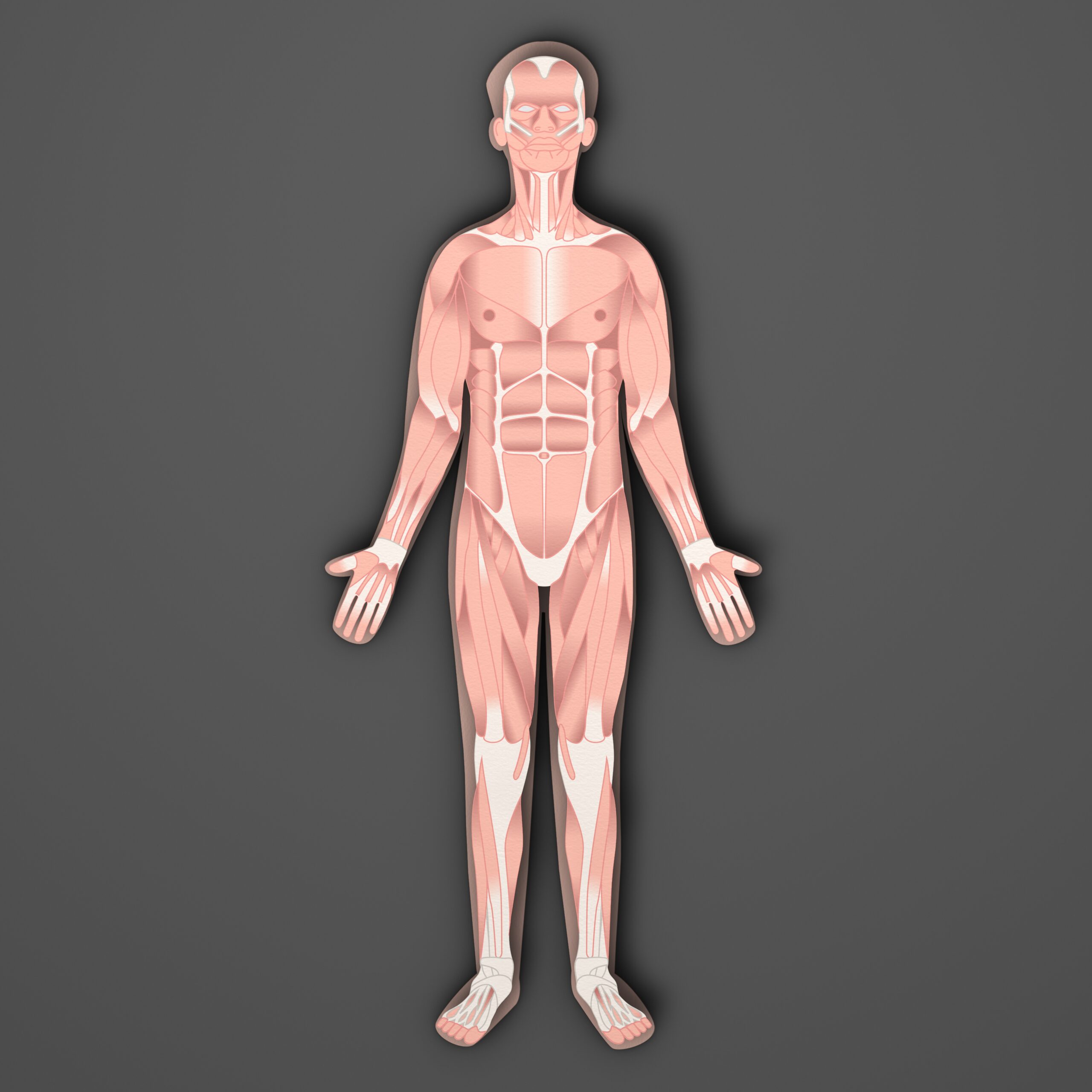
Sarcopenia is just a fancy medical term for losing your muscle as you get older. If you don’t use it, you lose it—fast. We actually start losing muscle in our 30s! By 60, it happens even faster. This fading directly makes us weaker, makes falls more dangerous, and slows down how our body uses energy.
But here is the whisper of hope: Losing muscle is not guaranteed. You can stop this fading and keep your independence right at home. You don’t need an expensive gym. It is all about consistent, simple, DIY (Do It Yourself) movement.
Here are 5 very easy DIY moves you can do in under 15 minutes to keep your muscle and stay independent.
-
Sit-to-Stands (Chair Squats)
The sit-to-stand is the most important ‘keep moving’ exercise. It works your entire lower body. This move is necessary for getting out of chairs or cars easily without help.
DIY Method: Use a kitchen chair. Sit tall, then stand all the way up using only your legs (try *not* to use your hands). Sit back down gently. **Do 3 sets of 10 times.**
-
Countertop Pushups (Kitchen Moves)
Keeping upper body strength is vital for good posture and easy breathing. Floor pushups are too hard for most people and hurt wrists. Countertop pushups are the perfect easy alternative.
DIY Method: Stand a few feet away from your kitchen counter. Place your hands on the edge. Lean forward until your body is straight, then push back up. **Do 3 sets of 10 times.**
-
The Farmer’s Carry (Loaded Walking)
This move builds total body strength. But more importantly, it makes your hand grip stronger. Grip strength is recognized by health experts as the best sign that you will live a long, independent life.
DIY Method: Find two heavy household items that have handles, like full 1-gallon water bottles or large laundry detergent bottles. Hold one firmly in each hand, stand tall, and walk back and forth in your hallway for 60 seconds. **Repeat 3 times.**
-
Single-Leg Stands (Trip Proofing)
We must prevent falls to stay strong as we age. We often lose our balance because we lose muscle and our brain forgets how to balance. This DIY move “reaches” those systems.
DIY Method: Stand near a wall or a sturdy chair for safety. Lift one leg off the ground. Try to balance for 30 seconds. This move makes you fall-proof. If it’s easy, try it with your eyes closed! **Repeat 3 times per leg.**
-
Booty Lifters (Glute Bridges)
We spend far too much time sitting down. This move “wakes up” your butt muscles. Strong butt muscles (glutes) are necessary for protecting your lower back and making walking safe.
DIY Method: Lie on your back on a mat or carpet. Bend your knees so your feet are flat on the floor. Squeeze your butt muscles and lift your hips toward the ceiling until your body is in a straight line. Hold for 2 seconds, then lower. **Do 3 sets of 10 times.**
The Secret: Muscle is Your ‘Body Armor’
Muscle isn’t just for looking good in 2026. Muscle is like a savings account for your health. Muscle helps keep your blood sugar steady, it keeps you burning calories even when you aren’t moving, and it acts like armor that protects your bones and organs if you fall. Keeping your muscle (stopping sarcopenia) is the single best signal for a long, independent life.
These DIY moves are not about getting ‘bulky’; they are about keeping your body useful for life.
- 1. Sit-to-Stands (chair squats) – 3 x 10
- 2. Countertop Pushups – 3 x 10
- 3. Farmer’s Carries (water bottles) – 3 x 60 sec
- 4. Single-Leg Stands (balance) – 3 x 30 sec per leg
- 5. Booty Lifters (glute focus) – 3 x 10

 Admin
Admin